
Lieferung heute & morgen

Qualitätsgarantie

Willkommens-Angebote freischalten: KOSTENLOSE Lieferung | Bis zu 80 % RABATT | Kostenlose 30-Tage-JoyPlus-Testphase
App herunterladen
Rice crackers are more than just a crispy alternative to potato chips. The variety ranges from traditional Japanese senbei and fiery-hot Chinese snacks to plain puffed rice cakes. However, the vast selection can make choosing difficult. Many products marketed as a light snack turn out to be high in fat or sugar upon closer inspection. Others disappoint with a bland, unauthentic taste.
This guide will help you avoid the common pitfalls when shopping. We'll show you the crucial features to look for to find the exact rice crackers that suit your taste and needs—whether you're looking for spicy rice crackers for a cozy evening, authentic Asian snacks for guests, or a simple, gluten-free option.
Before you decide on a product, it's helpful to know the most common misleading claims and which parameters really count.
Pitfall #1: The "Light Snack" Illusion Many rice crackers are advertised as a healthier alternative. But the preparation method is key. Fried varieties can have a fat content similar to classic chips. The sugar and salt content is also often considerable, especially in heavily seasoned products. A look at the nutrition facts label is therefore essential.
Pitfall #2: Vague "Asian-Style" Seasoning The term "Asian snacks" is often used for products whose flavor profile has little in common with the authentic originals. Real Japanese rice crackers (senbei) are characterized by a delicate balance of soy sauce and sweetness, while traditional Chinese snacks often feature complex spice blends like five-spice powder or the numbing heat of Szechuan pepper. Generic blends can be a quick disappointment.
To order the right rice crackers online, you should check two core aspects: the ingredient base combined with the production method, and the specific type of seasoning.
The texture and nutritional value of a rice cracker depend directly on its base and processing.
The seasoning defines the character of the snack. Pay attention to the details to find your desired flavor.
Instead of making a one-size-fits-all recommendation, we have selected products for different preferences and use cases.
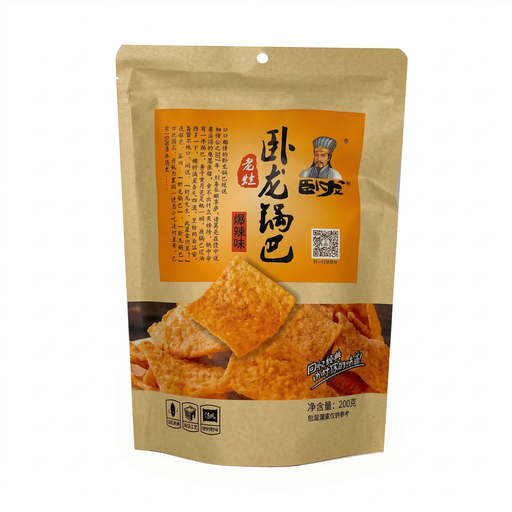
Why This Fits Their Persona: Ideal for anyone seeking an authentic and intense heat. The combination of chili and Szechuan pepper provides the characteristic "mala" experience (spicy and numbing) that goes far beyond a simple chili note.
This product avoids the trap of vague "Asian-style" seasoning by offering a clear, authentic flavor profile from Sichuan cuisine.
Authentic Szechuan Pepper Flavor: Delivers a complex, numbing heat. Crispy Texture: The traditional preparation method ensures a satisfying crunch.
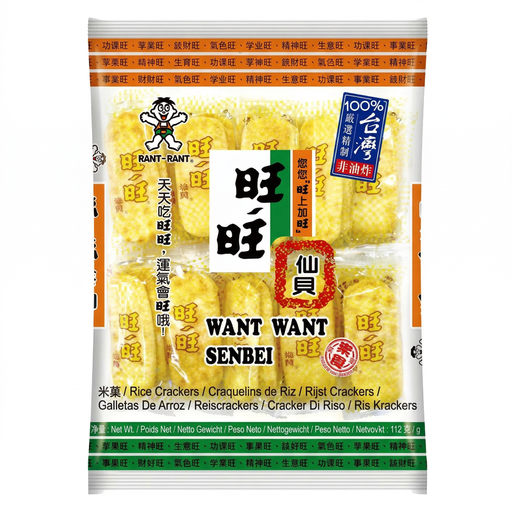
Why This Fits Their Persona: This is a classic, baked Japanese rice cracker (senbei). It's perfect for anyone who loves the typical, slightly sweet-and-salty umami flavor that pairs well with tea or serves as an unobtrusive snack.
This product delivers the expected, authentic senbei flavor, avoiding the disappointment of bland or overly seasoned, Western-adapted versions.
Balanced Flavor: The subtle blend of sweet and salty is characteristic of traditional senbei. Baked, Not Fried: Offers a firm, crispy bite.
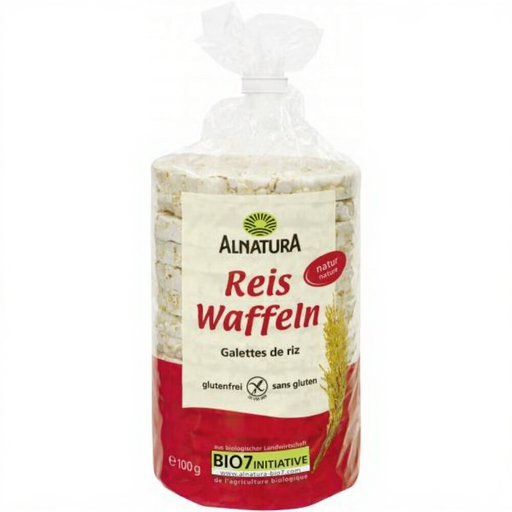
Why This Fits Their Persona: These rice cakes are ideal for anyone who values pure ingredients. They are made from 100% organic whole grain rice, unsalted and unsweetened. This makes them a versatile base for sweet or savory toppings and a suitable snack for the whole family.
This product completely avoids the "light snack" trap as it contains no hidden fats, sugars, or salts. The ingredient list is completely transparent.
Organic and Pure: Only one ingredient (organic whole grain rice). Gluten-free and vegan: Suitable for various dietary needs. Versatile as a bread substitute.
We have compiled a complete, up-to-date list of products that fully meet these strict selection criteria and German regulations.
1. What is the difference between rice crackers and rice cakes? Although the terms are often used interchangeably, there is a difference. Rice cakes typically refer to the thick, round discs made from puffed rice, which are often unseasoned. Rice cracker is an umbrella term that covers a much wider variety of shapes, sizes, and flavors. This includes baked, seasoned crackers like senbei and fried, crispy Asian snacks.
2. Are rice crackers always gluten-free? Not necessarily. While rice is naturally gluten-free, many seasoning blends can contain gluten, especially soy sauce, which is traditionally brewed with wheat. If you have a gluten intolerance, it is crucial to specifically look for products declared as gluten-free rice crackers and to carefully check the allergen information on the packaging.
3. What is the best way to store opened rice crackers? To maintain their crispiness, you should seal the opened package as airtightly as possible. Storing them in a resealable bag or an airtight container in a cool, dry place is ideal. Direct sunlight and moisture should be avoided, as they will cause the crackers to soften quickly.