
Lieferung heute & morgen

Qualitätsgarantie

Willkommens-Angebote freischalten: KOSTENLOSE Lieferung | Bis zu 80 % RABATT | Kostenlose 30-Tage-JoyPlus-Testphase
App herunterladen
A room divider can do more than just partition a space. It creates privacy, structures open-plan living areas, or serves as a decorative element. But the selection is vast, and not every model lives up to its promise. Many buyers are frustrated by wobbly construction, unsuitable materials, or a lack of flexibility. Before you make a decision, it's important to know the typical weaknesses that can quickly turn a practical solution into a poor purchase.
This guide shows you what to look for to make an informed choice that meets your requirements for function and durability.
When searching for a suitable room divider or privacy screen, many people encounter products whose flaws only become apparent with daily use. Three problems are especially common:
To avoid these problems, you should check three core parameters before buying. These will help you distinguish quality options and find a product that will serve its purpose for years to come.
The material is the deciding factor for the longevity and intended use of your room divider.
A stable construction is crucial, especially for a freestanding partition.
Think carefully about the exact purpose the room divider is meant to serve.
Based on these criteria, we have identified some products that are suitable for different user profiles.
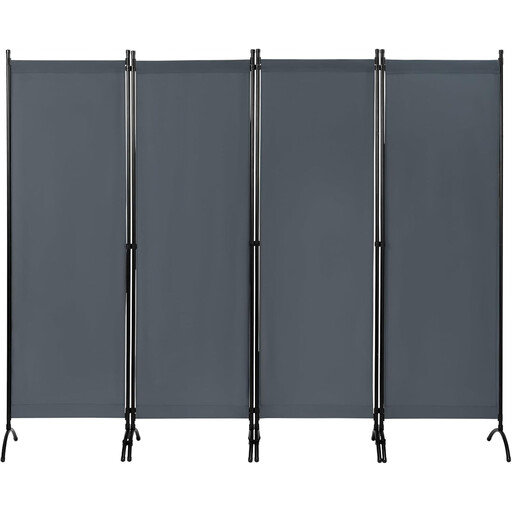
Why This Fits Their Persona: Ideal for users seeking a versatile solution for their balcony, garden, and living area, who value weather resistance and easy handling.
The PA-coated polyester fabric and steel tube frame are explicitly designed for outdoor use, preventing material damage (Pitfall 2). The four-panel, folding design ensures flexibility and stability (Pitfalls 1 & 3).
Water-repellent and provides sun protection; lightweight and can be disassembled for space-saving storage.
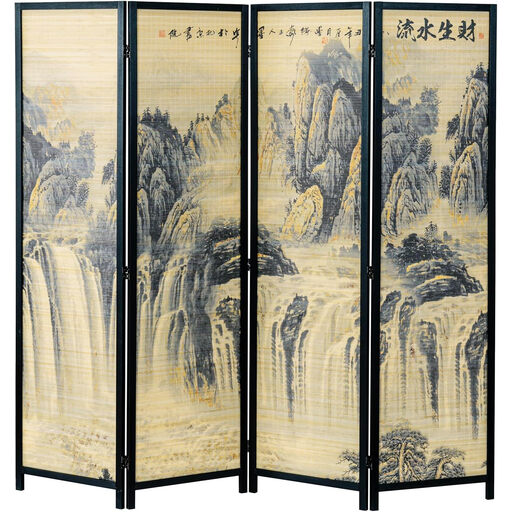
Why This Fits Their Persona: Perfect for users who see a room divider not just as a functional privacy screen, but also as an aesthetic statement with an Asian-inspired design.
The solid pine wood frame and sturdy feet provide good stability (Pitfall 1). The dual-sided hinges allow for easy folding and positioning (Pitfall 3). The material is clearly intended for indoor use.
Double-sided printed design for flexible placement; combination of natural bamboo and a solid wood frame.
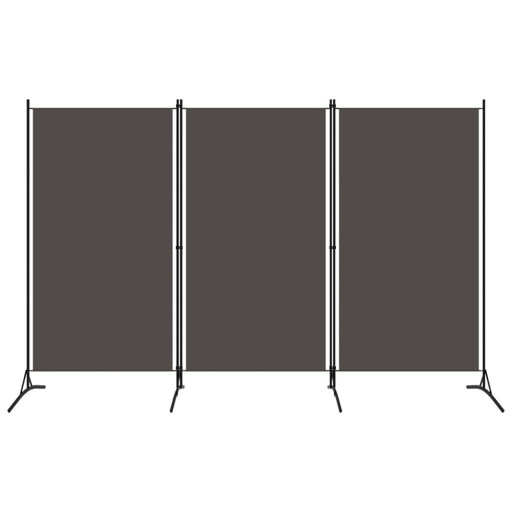
Why This Fits Their Persona: Suitable for renters or office users who need a straightforward, lightweight, and mobile solution for quickly creating privacy or sectioning off work areas.
The design is focused on easy handling and mobility, which bypasses the impracticality trap (Pitfall 3). The powder-coated iron frame and feet offer adequate stability for its low weight (Pitfall 1).
Very lightweight and easy to move; folds up compactly for storage when not in use.
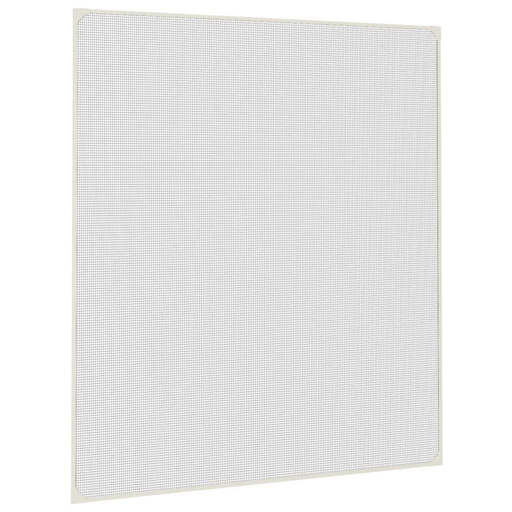
Why This Fits Their Persona: For anyone looking for a targeted solution to keep insects out while allowing fresh air to circulate. This is not a partition wall, but a functional barrier.
As a specialised product, it is designed for one exact purpose. The magnetic fastening allows for simple, drill-free installation and removal, making it extremely practical and flexible (Pitfall 3).
Effective protection against insects; UV-resistant and waterproof fibreglass mesh; can be custom-cut for different window sizes.
We have compiled a comprehensive, up-to-date list of products that meet these strict selection criteria.
Most fabric room dividers can be dusted with a soft brush or a vacuum cleaner with a brush attachment. For light stains, a slightly damp cloth with a mild detergent can be used. Always follow the manufacturer's care instructions. Aggressive chemicals or machine washing should generally be avoided.
A room divider is primarily a flexible and mobile solution. It cannot replace a solid wall in terms of sound insulation or stability. However, it is ideal for visually separating areas, creating privacy, or as a temporary solution in rental apartments or offices.
The terms are often used interchangeably. Traditionally, a paravent (also known as a folding screen) is a foldable, multi-panel privacy screen that is often decorative. The term partition wall is more general and can also include rigid, single-panel, or permanently installed systems. In modern usage, both terms usually refer to mobile, freestanding room dividers.