
Lieferung heute & morgen

Qualitätsgarantie

Willkommens-Angebote freischalten: KOSTENLOSE Lieferung | Bis zu 80 % RABATT | Kostenlose 30-Tage-JoyPlus-Testphase
App herunterladen
Regular runners know the problem all too well: where do you put your smartphone, keys, and gels without your pockets bulging or the contents bouncing annoyingly with every step? A running belt seems like the simple solution. But the market is flooded with models whose flaws often only become apparent with real-world use. An ill-fitting belt can not only break your concentration but also lead to painful chafing.
As a Joybuy Product Recommendation Officer, I filter through the relevant information to provide you with an objective basis for your decision. This guide highlights the three most common pitfalls when buying a running belt and the objective criteria you should look for to find the right model.
To avoid a purchase mistake, you should base your selection on three core features. These determine whether a sports waist pack is truly practical for real-world use.
A functional running belt must fit like a second skin. Look for the following properties:
The functionality of a running belt hinges on its compartment layout. A good model offers more than just storage space.
Safety is an aspect not to be overlooked when running in the early morning or late evening hours.
Based on the criteria mentioned, we have identified several models that represent a considered choice for specific user profiles.
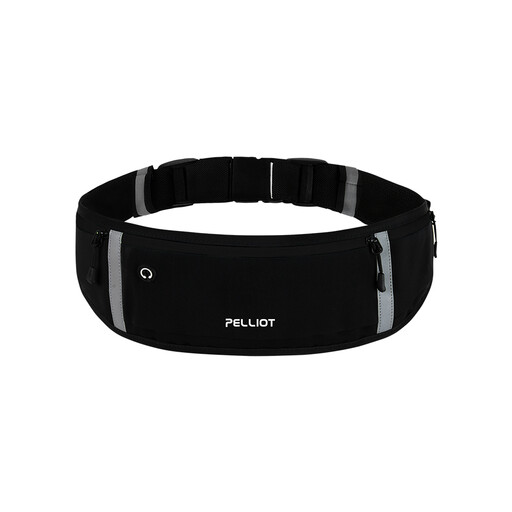
Why this model is a great fit: This model is meticulously designed for the needs of runners. The focus is on a bounce-free fit during high-intensity movement and the secure, organised storage of essential items.
The highly elastic strap with ergonomic contouring prevents the typical bouncing and slipping of a "one-size" belt. The separate compartments protect your smartphone from scratches.
Integrated, extra-long reflective strips on the front and sides for increased visibility. Sweat-wicking inner material keeps the belt and its contents dry.
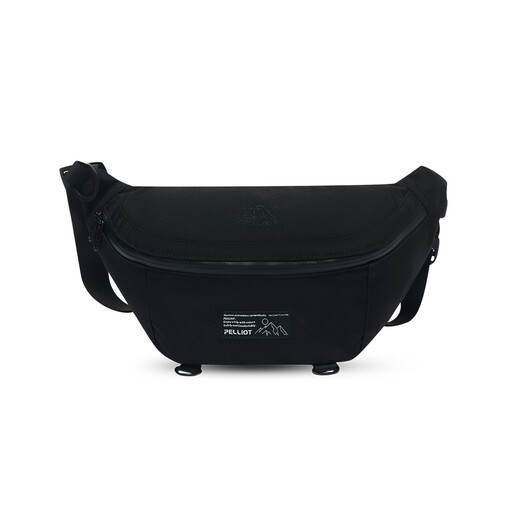
Why this model is a great fit: For users seeking a versatile waist pack for various activities like cycling, hiking, or trips to the gym. This bag offers more storage space and flexible carrying options.
The multi-compartment design, including a hidden inner pocket, solves the problem of disorganised storage. It can securely hold more than just the bare essentials for a run.
Abrasion-resistant and water-repellent outer material protects the contents in light rain. The bag can be worn as a waist pack, chest pack, or crossbody bag.
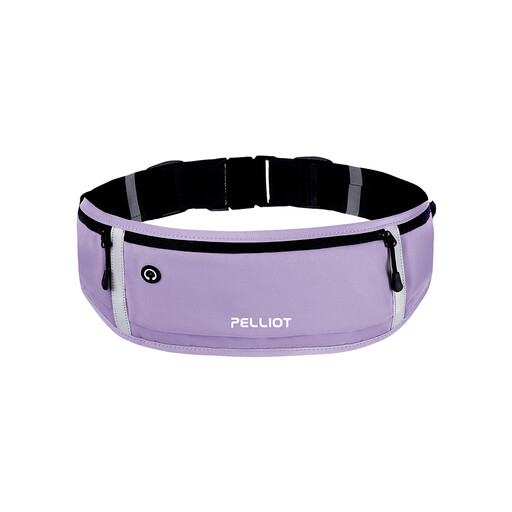
Why this model is a great fit: For beginners looking for a reliable, functional solution that is also visually appealing. This model offers all the core features of a high-quality running belt in a modern design.
It combines a secure, adjustable fit with organised compartments and safety features. This helps avoid the typical frustrations that beginners experience with subpar equipment right from the start.
The ultra-lightweight fabric ensures high wearing comfort without weighing you down. The combination of functionality and aesthetics encourages regular use.
We have compiled a comprehensive, up-to-date list of products that meet these strict selection criteria and relevant safety standards.
1. How tight should a running belt be? A running belt should be snug enough to prevent bouncing or slipping during movement, but not so tight that it restricts your breathing or feels uncomfortable. It should sit securely on your waist or hips without limiting your range of motion. A good rule of thumb is that you should be able to comfortably slide two fingers between the belt and your body.
2. Can I safely carry my smartphone in any running belt? Not all belts are equally suited for this. For secure transport, you should choose a running belt for your phone that has a separate, ideally padded and water-repellent, compartment. This protects the device from scratches from keys and from moisture due to sweat or light rain. Before buying, check the specified dimensions of the compartment to ensure your smartphone will fit.
3. How do I properly care for my jogging belt? Most running belts are not suitable for machine washing, as this can damage the elastic fibres and water-repellent coatings. Always follow the manufacturer's care instructions. Typically, cleaning with a damp cloth followed by air-drying is the recommended method. Avoid direct sunlight when drying to protect the material.