
Lieferung heute & morgen

Qualitätsgarantie

Willkommens-Angebote freischalten: KOSTENLOSE Lieferung | Bis zu 80 % RABATT | Kostenlose 30-Tage-JoyPlus-Testphase
App herunterladen
Choosing the right seasoning can make or break a Japanese dish. This is especially true for Shiro Dashi, a light-colored soup base, where common pitfalls often lead to disappointing results. Many home cooks grab the wrong product and then wonder why their soup turns cloudy or the flavor isn't authentic. This guide will help you identify the key features to look for and make an informed choice.
Before you buy a Japanese broth, you should be aware of two common misconceptions that often lead to kitchen disappointments.
To find the right product, don't be swayed by marketing promises. Instead, focus on objective criteria. These three parameters are decisive for your final dish.
The foundation of a dashi concentrate determines its primary use case.
The format affects both the flavor and the user experience.
The characteristic umami flavor of dashi comes from a combination of specific ingredients. A look at the ingredient list reveals the flavor profile you can expect.
A liquid umami seasoning that combines several of these sources (e.g., bonito and kombu) typically offers a more balanced and multi-layered flavor.
Here are some recommendations tailored to different needs and cooking styles.
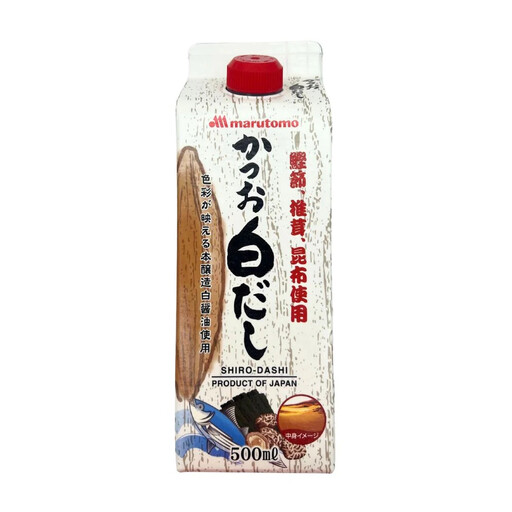
Why This Fits Their Persona: Ideal for cooks who value a clear, light appearance. Perfect for udon broths, light sauces, or egg dishes where preserving the ingredients' natural color is key.
This product is a classic white dashi. It prevents the brownish discoloration caused by dark soy sauce-based broths (tsuyu).
Combines three umami sources (bonito, kombu, shiitake) for a deep, multi-layered flavor without affecting color. EU-HACCP certified production.
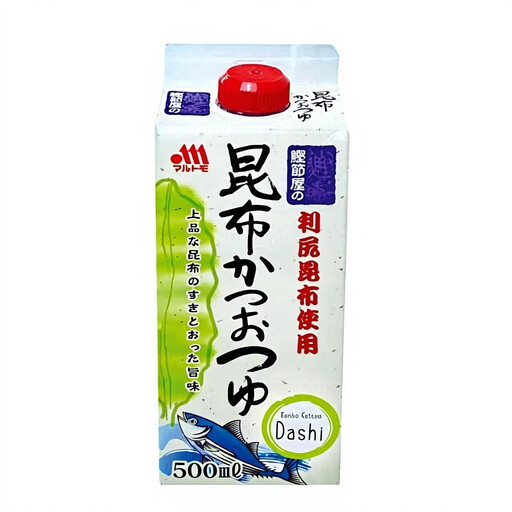
Why This Fits Their Persona: For cooks seeking a versatile seasoning base for a wide range of dishes, from noodle soups to dips and marinades, where a darker color and robust flavor are desired.
This is a classic tsuyu based on dark soy sauce. It's the right choice when you specifically want an intense flavor and a dark color.
A balanced combination of bonito and kombu for a well-rounded umami profile. Highly versatile as a soup base, dipping sauce, or seasoning.
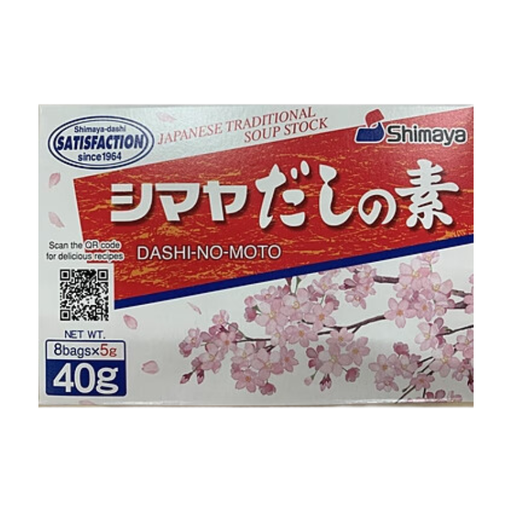
Why This Fits Their Persona: For anyone looking for a quick, straightforward, and long-lasting solution to add an authentic umami note to dishes without having to fuss with dilution ratios.
The granules bypass the complexity of liquid concentrates. Dosing is simple, and the risk of incorrect dilution is minimal.
Extremely long shelf life and easy storage. The pre-portioned sachets ensure consistent flavor intensity and simple handling.
We have compiled a complete, up-to-date list of products that fully meet these strict selection criteria and local regulations.
The main difference lies in the soy sauce used. Shiro Dashi is made with light soy sauce (usukuchi shoyu), resulting in a clear, light-golden broth. It's ideal for dishes where you want to preserve the ingredients' color. Regular tsuyu or mentsuyu is based on dark soy sauce (koikuchi shoyu), which gives it a dark color and a more robust, often sweeter, flavor.
A liquid dashi concentrate should always be stored in the refrigerator after opening. The exact shelf life can vary by manufacturer, but as a general rule, it's best to use the product within 4 to 8 weeks to ensure full flavor. Always check the instructions on the product label.
Yes, Shiro Dashi is an excellent choice for a classic, clear dashi for udon soup broth, like the style popular in Japan's Kansai region. It provides a delicate umami flavor without darkening the broth, allowing the noodles and toppings to stand out visually. Simply dilute the concentrate with hot water according to the bottle's instructions.