For a regular breakfast for a toddler, unsweetened muesli or another suitable grain-based product is a better staple than sweet organic chocolate cereal. The Verbraucherzentrale recommends bread or porridge and dairy products for children's breakfast, rather than sweet cereal. If you’re looking for a chocolate flavour, check the organic certification, sugar content, ingredients, allergens and whether the product is suitable for your child to eat. An organic label alone doesn’t answer all these questions.
Who should consider these options?
Parents keeping an eye on sugar
You’re looking for an organic breakfast staple, but don’t want to make sweet cereal an everyday choice just because of its packaging. Ingredients and nutritional information are what matter when comparing products; the Verbraucherzentrale advises against sweet cereal as the basis of a child’s breakfast.
Families checking for allergens
You may need to take ingredients such as gluten-containing grains, milk or nuts into account in a particular product. Check the ingredients and allergen information on the pack, and distinguish between ingredients that are present and possible traces.
Families thinking about age and texture
You’ll want to check whether the ingredients and consistency are suitable for your child’s ability to eat. The German Nutrition Society describes the transition to family meals at the end of the first year; an age recommendation for an individual muesli doesn’t replace checking its texture.
What should you look for when buying?
First decide whether you want an unsweetened breakfast staple or specifically a chocolate flavour. Then compare the exact ingredients and check the allergens and whether the product is suitable for your child to eat. Gluten-free and organic are separate characteristics, not age recommendations.
| What to consider |
What to check |
Who it matters most to |
| Sugar in everyday breakfasts |
Compare the ‘of which sugars’ figure per 100 g and check the ingredients list for added sugars. |
If sweet cereal were a regular feature at breakfast, I’d rather choose a less sweet option as a staple. Around 40% of consumers would make sugar their most important buying criterion. |
| Organic certification and ingredients |
Check the organic certification and inspection body code, and assess the ingredients separately. |
If I specifically want to buy organic, I want the certification to be clear and the ingredients to work for our breakfast too. This would be the top priority for around 30% of consumers. |
| Gluten and other allergens |
Read the ingredients and allergen information on the pack; distinguish between allergens that are present and possible traces. |
If we need to avoid certain ingredients, I mainly need clear information about the specific product. Around 20% of consumers would consider checking for allergens a priority. |
| Age and texture |
Check any age recommendations and assess whether the pieces and consistency are suitable for your child’s ability to eat. |
As we move towards family meals, I want to choose something my child can manage. This would be a priority for around 10% of consumers. |
Common buying misconceptions
-
Assuming organic means low in sugar or suitable for toddlers
Organic certification and sugar content answer different questions. The Verbraucherzentrale doesn’t recommend sweet cereal as the basis of a child’s breakfast; the dmBio chocolate muesli sold by dm also lists several ingredients containing raw cane sugar.
Once you’ve checked the organic certification, compare the sugar content and ingredients. You could also consider an unsweetened staple for regular breakfasts.
-
Assuming ‘gluten-free’ means all allergens have been checked
A chocolate product labelled gluten-free may contain other allergens or state that traces may be present. The label also doesn’t tell you about its sugar content or whether it’s suitable for a toddler to eat.
Read all the information on the pack, and distinguish between ingredients that are present and trace warnings.
-
Assuming child-friendly packaging means a product is suitable
Child-friendly packaging or a chocolate flavour doesn’t tell you what’s in the product. For children’s breakfast, the Verbraucherzentrale instead points to foods such as bread or porridge, and dairy products.
Check the ingredients, nutritional information, allergens and, where available, age recommendations for the specific product.
Brands to consider
Holle
Holle offers organic muesli for babies and children as a breakfast staple; the products considered here are not chocolate cereal.
- Holle says its organic wholegrain baby muesli is suitable from 6 months, and its organic wholegrain Bircher muesli from 1 year.
- The products considered contain gluten-containing grains; for its Bircher muesli, Holle also lists almonds and possible traces of other allergens.
dmBio
The dmBio chocolate muesli considered here combines a chocolate flavour with organic and gluten-free labelling.
- dm labels its chocolate muesli with crispy flakes as organic and gluten-free.
- Several ingredients contain raw cane sugar. The product information mentions possible traces of other allergens; an organic or gluten-free label alone doesn’t establish whether it’s suitable for an individual toddler.
enerBiO
enerBiO is ROSSMANN’s own organic brand. Its range includes chocolate balls and cornflakes with no added sugar, offering different breakfast options.
- The cornflakes with no added sugar offer a different starting point from the chocolate balls if you don’t need a chocolate flavour.
- The cornflakes won’t meet a craving for chocolate on their own. For the chocolate balls, check the ingredients, nutritional information and suitability for your child to eat, rather than assuming they’re suitable for toddlers based on the packaging.
Turtle
The Turtle chocolate cornflakes considered here are a chocolate option labelled organic and gluten-free.
- Knuspr.de labels the Turtle organic chocolate cornflakes as organic and gluten-free.
- Knuspr.de lists 15,1 g of sugar and 1,4 g of salt per 100 g, as well as possible traces of soya, milk and nuts. Being gluten-free doesn’t answer the other questions you may have about breakfast.
Products for the breakfast options discussed
These Alnatura products include chocolate muesli and chocolate crunchy muesli for when you specifically want a chocolate flavour, as well as unsweetened cornflakes as an alternative breakfast option. Before choosing, compare the information on each pack with your child’s needs.
 No image available
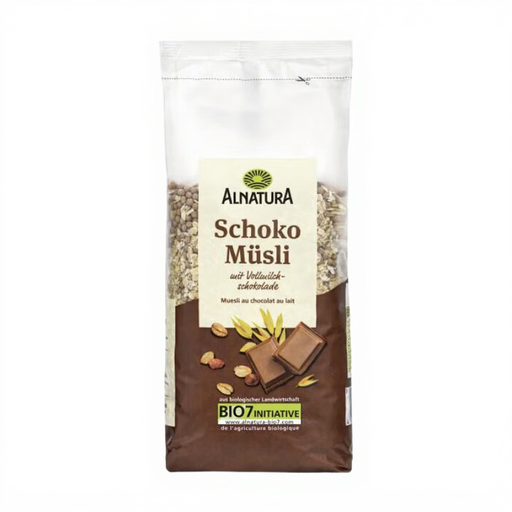
Alnatura organic chocolate muesli, 750 g
A chocolate muesli option for when you specifically want a chocolate flavour. For a regular toddler’s breakfast, check the sugar content, allergens and whether the consistency is suitable for your child on the pack.
View at Joybuy
 No image available
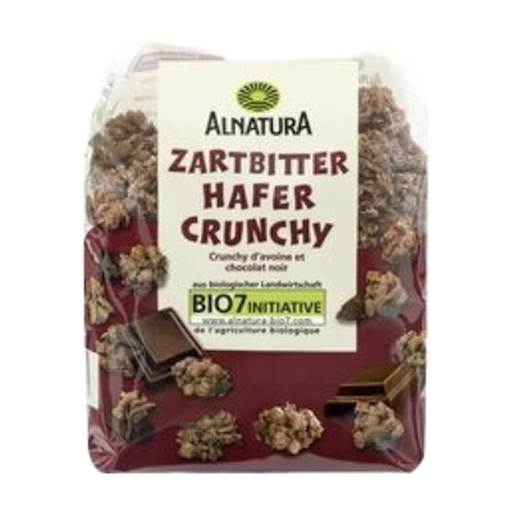
Alnatura organic dark chocolate oat crunchy muesli, 375 g
A crunchy chocolate and oat option for households looking for this type of product. As well as checking the sugar content, pay particular attention to its crunchy texture and check the allergen information against your needs.
View at Joybuy
 No image available
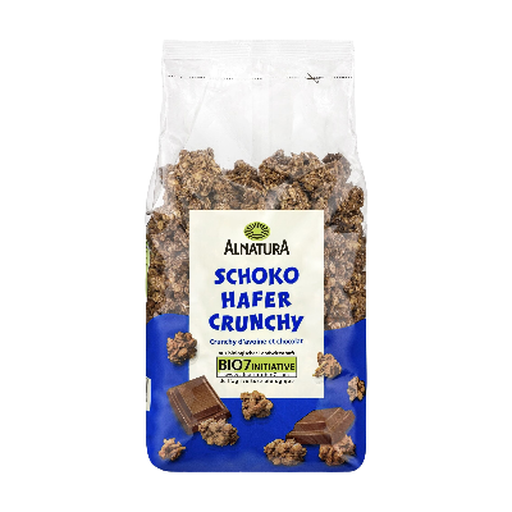
Alnatura organic chocolate oat crunchy muesli, 750 g
Another chocolate crunchy muesli option, here in a 750 g pack. Check its own ingredients and nutritional information, as well as the texture; information for another Alnatura variety may not apply to this one.
View at Joybuy
 No image available
Alnatura organic unsweetened cornflakes, 300 g
An unsweetened grain-based alternative for when you don’t need a chocolate flavour; it isn’t chocolate cereal. Check the gluten and other allergen information directly on the pack, and assess whether the flakes are suitable for your child’s ability to eat.
View at Joybuy
Frequently asked questions
Is organic chocolate muesli automatically a suitable choice for a toddler?
No. The organic label alone doesn’t tell you how much sugar the muesli contains or whether its texture is suitable for your child. Check the ingredients and nutritional information separately from the organic certification; for example, the dmBio chocolate muesli sold by dm lists several ingredients containing raw cane sugar.
How can I identify gluten-containing grains in packaged cereal?
Check the ingredients list for highlighted allergens such as gluten-containing grains. In Germany, packaged foods must follow the labelling rules set out in the EU Food Information to Consumers Regulation; any additional warning about possible traces should be distinguished from an ingredient that is actually present.
Are gluten-free chocolate cereals therefore suitable for a toddler’s breakfast?
Gluten-free labelling only answers the question about gluten; it doesn’t tell you about sugar, other allergens or whether the product is suitable for your child to eat. Knuspr.de lists 15,1 g of sugar per 100 g for the Turtle organic chocolate cornflakes labelled gluten-free, and mentions possible traces of other allergens. So make sure you check the product as a whole.
From what age can my child have muesli?
There’s no single age recommendation that applies to all muesli. The German Nutrition Society describes the transition to family meals at the end of the first year; Holle gives age recommendations of 6 months and 1 year for individual mueslis. These recommendations apply to the specific products, and the consistency must also be suitable for your child’s ability to eat.


