
Lieferung heute & morgen

Qualitätsgarantie

Willkommens-Angebote freischalten: KOSTENLOSE Lieferung | Bis zu 80 % RABATT | Kostenlose 30-Tage-JoyPlus-Testphase
App herunterladen
Anyone living in a flat or house with limited storage space knows the problem: where do you put the winter duvet in summer, or the bulky jackets that take up wardrobe space for months on end? Vacuum bags promise a simple solution for storing textiles to save space while also protecting them from dust, moisture, and moths. However, not all products live up to their promises. Many users find that the bags reinflate after a short time or are impractical to handle.
As your Joybuy Product Recommendation Officer, I'm here to help you avoid the common pitfalls. This guide will show you which technical features truly matter, so you can make an informed decision and find a durable solution to your space problem.
Before you invest in a set, you should be aware of the weaknesses that often only become apparent after purchase.
To avoid the problems mentioned above, you should check three key product features before buying. These largely determine the functionality and longevity of vacuum storage bags.
A high-quality vacuum bag is made of a multi-layer composite material, typically Polyamide (PA) and Polyethylene (PE).
Look for the PA+PE material specification. This combination offers the necessary flexibility for filling and the robustness for multiple reuses.
The reliability of a vacuum bag depends critically on its sealing mechanism.
Vacuum bags for clothes come in various designs. Choosing the right format optimises not only space but also handling.
Here are some product suggestions tailored to specific use cases that meet the quality criteria mentioned above.
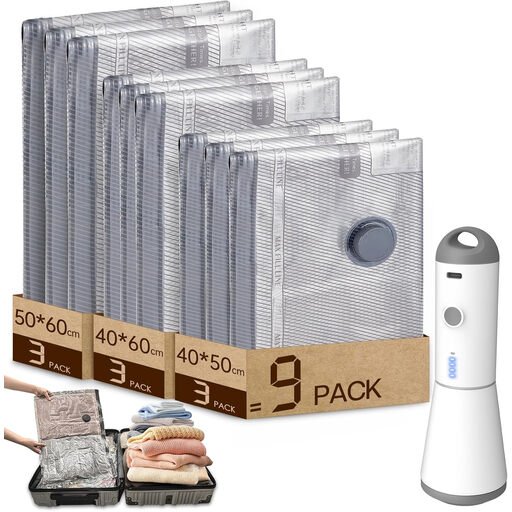
Why This Fits Their Persona: This set is ideal for those who want to get organised both at home and while travelling, without relying on a bulky vacuum cleaner. The compact, wireless pump fits into any luggage.
The included wireless pump solves the problem of vacuum cleaner incompatibility. The double-zip seal and special valve counteract the issue of leaks.
According to the manufacturer, air removal takes about 30 seconds. The set, made of tear-resistant polyamide and polyethylene, is designed for reusability.
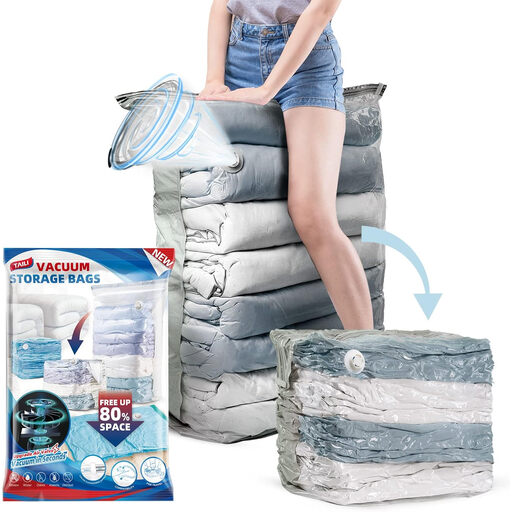
Why This Fits Their Persona: Perfect for home organisers who need to store large quantities of bedding, pillows, or winter clothes. The cube shape maximises storage space in wardrobes, cellars, or under the bed.
The freestanding cube design solves the problem of impractical, hard-to-fill bags. The robust PA+PE material is designed for storing heavy textiles.
The stable, cuboid structure makes filling and stacking easier. The cap-free valve is compatible with any standard vacuum cleaner and speeds up air suction.
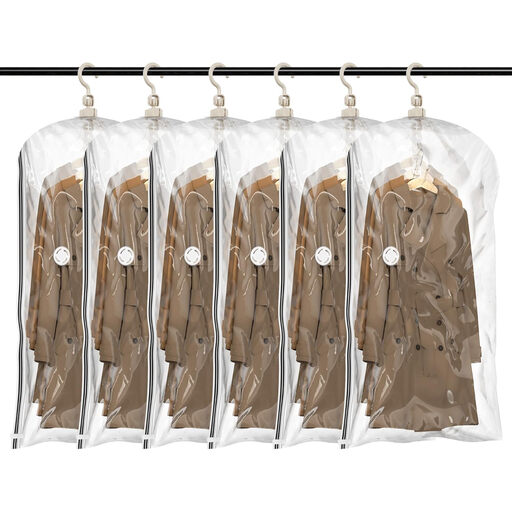
Why This Fits Their Persona: For anyone who wants to store suits, long coats, or dresses through the off-season without folding them. These bags utilise vertical space in the wardrobe and protect high-end garments.
This special format solves the problem of not being able to store hanging clothes in flat bags. The five-ring hook is robust and suitable for most wardrobe rails.
The 360° rotating hook allows for easy access to clothes. Colour-changing zips provide a visual confirmation that the bag is sealed correctly.
We have compiled a complete, up-to-date list of products that fully meet these strict selection criteria and German safety regulations.
The length of time a vacuum bag remains airtight depends on the quality of the material, valve, and seal. High-quality models made of PA+PE material with a double-zip seal and a reliable one-way valve can maintain the vacuum for several months, making them ideal for seasonal storage. Cheaper models may start to leak air after just a few days or weeks.
Yes, there are several alternatives. Some sets include a manual hand pump. This is convenient for travel but requires some effort for large bags. Other models, often marketed as travel vacuum bags, are simply rolled up by hand to press the air out. Another modern option is sets with a small, battery-powered vacuum pump, which allow for convenient use without a full-sized vacuum cleaner.
This is a valid concern. Compressing down or feathers can potentially damage their structure and loft. Some manufacturers, like TAILI, state that their hanging vacuum bags are designed to protect down clothing. As a general recommendation, do not compress textiles with down or feather filling to 100%; instead, leave some residual air in the bag (about 20-30%) to protect the filling. Always follow the care instructions from the textile manufacturer.