
Lieferung heute & morgen

Qualitätsgarantie

Willkommens-Angebote freischalten: KOSTENLOSE Lieferung | Bis zu 80 % RABATT | Kostenlose 30-Tage-JoyPlus-Testphase
App herunterladen
A wall shelf is more than just a surface for your belongings. It creates storage without taking up valuable floor space and adds a decorative touch to any room. However, the selection is vast, and not every shelf lives up to its promise. Many buyers are frustrated by sagging boards, unsightly scratches appearing after a short time, or a complicated installation process. This guide will help you navigate the common pitfalls and find a wall shelf that is functional, durable, and a perfect fit for your home.
Before you decide on a model, you should be aware of the most common problems that often only become apparent after the purchase.
floating shelf, whose appeal lies in its hidden bracket; a weak construction can quickly lead to sagging or, in the worst-case scenario, the shelf falling off the wall.solid wood wall shelf or a shelf made from high-quality MDF with a resistant coating offers far greater durability.wall-mounted bookshelf that sags under the weight of just a few paperbacks completely misses the mark. The specified maximum load capacity is often determined under ideal conditions and is not applicable to all wall types.To make an informed decision, you should examine three core technical aspects. These determine the shelf's safety, durability, and functionality.
The material is the foundation of stability and durability.
kitchen shelf or bathroom shelf.solid wood wall shelf is durable but may require more maintenance depending on the surface treatment (oiled, waxed, or lacquered).The maximum load capacity is one of the most critical specifications. It indicates how much weight a shelf board can support. However, this value is highly dependent on two factors:
floating shelf intended to hold heavy books, a stable anchoring system is essential.The shape of the shelf should suit its intended purpose and the room.
decorative shelf for picture frames or small plants.living room shelf or for a home office.Here are some recommendations tailored to different needs and living situations.
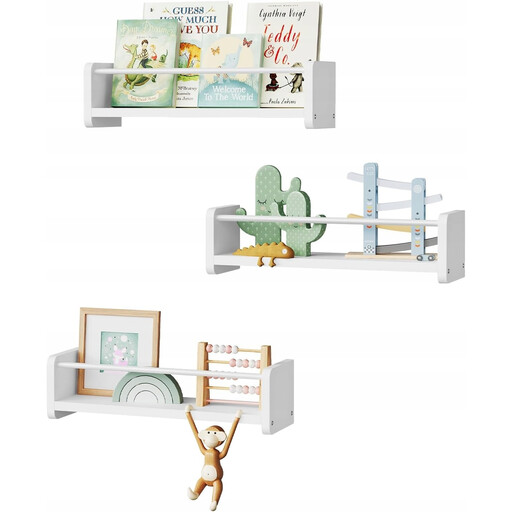
Why it's a great fit: This set of 3 offers a flexible and cost-effective solution for various rooms. The simple, white design complements many interior styles and allows for a cohesive look in the living room, kitchen, or children's room.
The integrated metal rod not only serves as a design element but also reinforces the structure and prevents the shelves from sagging. This addresses the pitfall of unstable mounting common with simple shelf boards.
Practical set of 3 for a cohesive look. Two different mounting options (rod on top or bottom) offer design flexibility.
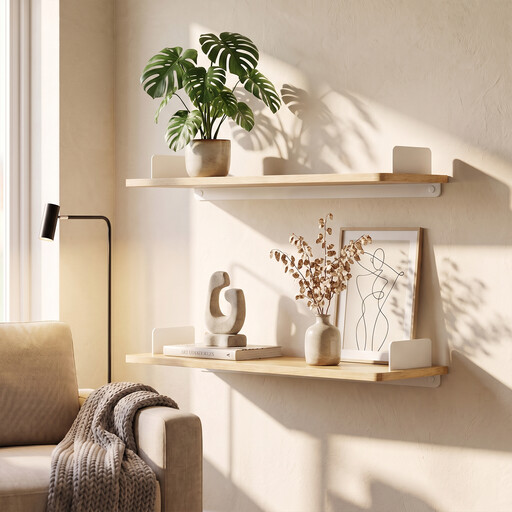
Why it's a great fit: For those who want to make a statement. This shelf combines high-quality materials with an award-winning design, making it both a practical organiser and a stylish piece of wall decor.
It bypasses the material trap by using FSC-certified solid wood (rubberwood) and a durable aluminium alloy. Furthermore, the manufacturer-specified load capacity of up to 20 kg (44 lbs) addresses the problem of insufficient strength.
Winner of the Muse Design Award and French Design Award. The combination of real wood and metal ensures a premium feel and excellent stability.
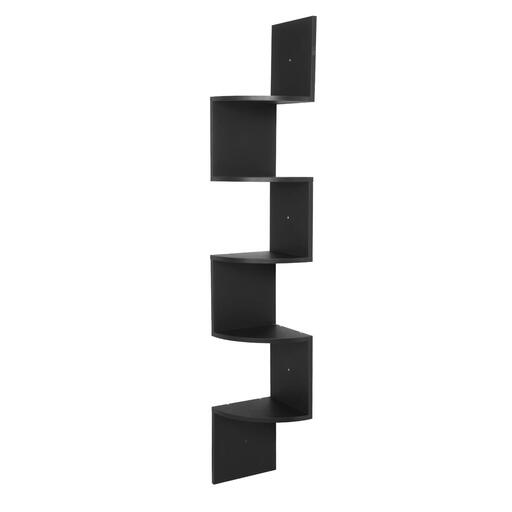
Why it's a great fit: This shelf is the ideal solution for transforming unused corners into valuable storage space. With five tiers on a small footprint, it's perfect for books, plants, or decorative items in narrow hallways or small living rooms.
The zigzag design, which is supported by two walls, provides high intrinsic stability. It's a purpose-built solution designed from the outset for corner installation, making it more stable than makeshift solutions.
Maximum storage on a minimal footprint. The concealed mounting system provides a clean, floating look despite its size.
We have compiled a complete, up-to-date list of products that fully meet these strict selection criteria and German safety requirements.
Conventional wall plugs do not provide adequate grip in plasterboard. Instead, use special hollow-wall anchors. These include options like metal toggle bolts or plastic expansion anchors, which secure themselves behind the board. Check the load capacity specified by the anchor manufacturer and choose an anchor rated for the total weight of the shelf and its contents. Whenever possible, locate the wall studs (wood or metal) and screw the shelf directly into them for maximum support.
This varies greatly. A simple MDF wall board with concealed mounting can often only support 5 to 10 kg. For a large collection of heavy books, shelving systems with visible brackets or vertical wall rails are a safer choice as they distribute the load more effectively. Always check the manufacturer's specifications for maximum load capacity and remember that this figure typically applies to installation on a solid wall.
For most coated or lacquered surfaces (typical for a white wall shelf or wood-effect models), a soft, slightly damp cloth is sufficient. Avoid using harsh or abrasive cleaning agents. For a solid wood shelf with an oiled finish, it's a good idea to re-treat the wood every one to two years with a suitable furniture oil to protect it from drying out and staining.