
Lieferung heute & morgen

Qualitätsgarantie

Willkommens-Angebote freischalten: KOSTENLOSE Lieferung | Bis zu 80 % RABATT | Kostenlose 30-Tage-JoyPlus-Testphase
App herunterladen
A single duvet that ensures a comfortable night's sleep throughout the year—this is the promise of an all-season duvet. The concept is alluring: no more hassle of switching between summer and winter duvets, less storage space needed, and often a more cost-effective investment. Yet, the selection process is fraught with pitfalls that can easily lead to a poor purchase. A duvet that fails to provide enough warmth in winter or causes you to overheat in summer has missed its mark entirely.
This guide will show you what to look for to make an informed decision. We'll highlight the most common problems and explain the key product features, so you can find an all-season duvet that truly meets your needs.
The range of duvets is vast, and marketing promises can be misleading. Pay attention to these three points to avoid disappointment:
To buy the right duvet, you should focus on objective criteria. These three parameters are crucial for comfort, hygiene, and longevity.
The choice of filling affects breathability, temperature regulation, and ease of care.
The warmth class indicates how well a duvet insulates. A typical all-season duvet falls into Warmth Class 3. For more flexible use, a four-seasons duvet is recommended. This consists of two separate duvets (e.g., Warmth Class 1 for summer and Warmth Class 3 for transitional seasons), which, when buttoned together, form a very warm winter duvet (Warmth Class 4 or 5).
The quilting (e.g., baffle-box or box-stitch) is also important. It prevents the filling from shifting and creating cold spots. An even distribution of the filling is essential for consistent warmth.
The right size ensures comfort. Standard sizes in Germany are:
Always check the care label before purchasing. The term "washable" alone is not enough. For hygienic cleaning, especially for allergy sufferers, being washable at at least 60°C is a crucial criterion. Also, check if the duvet is suitable for tumble drying, which makes maintenance much easier.
Based on the criteria mentioned, we have identified several products that represent a considered choice for different user profiles.
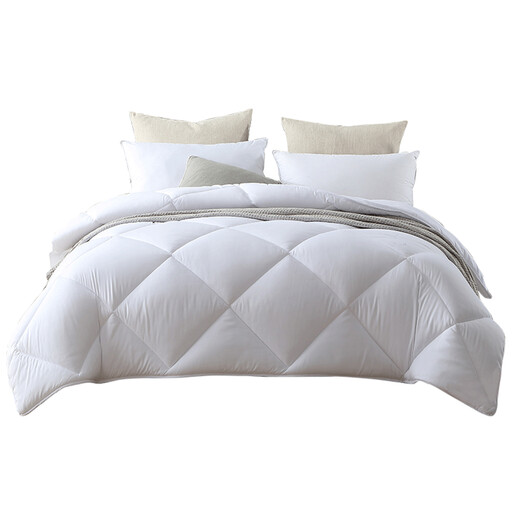
Why it's a great fit: This model provides a solid foundation for anyone looking for a straightforward and functional solution. The standard 135x200 cm size is ideal for single beds, and its synthetic filling makes it easy to care for.
The "washable and hypoallergenic" feature isn't just a marketing claim here. The ability to clean it hygienically makes it a practical choice for allergy sufferers, bypassing the trap of inadequate care options.
The value for money is the key selling point here. You get an easy-care, breathable duvet in a standard size for year-round use.
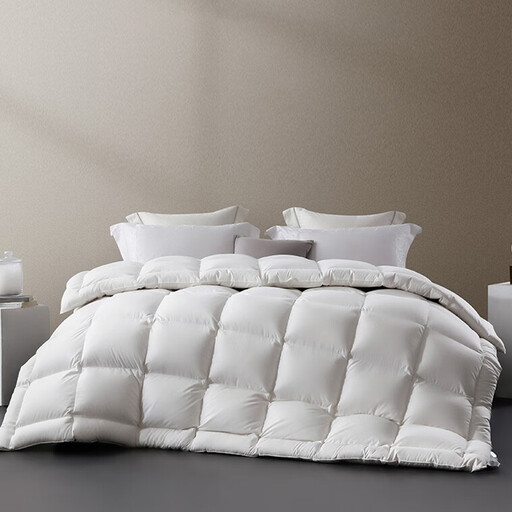
Why it's a great fit: Those who love it extra warm and cosy will benefit from the natural insulating power of down and feathers. The comfort size of 155x220 cm offers extra room to snuggle up.
This model bypasses the "one-size-fits-all" trap by clearly positioning itself as an "extra warm" duvet. It's an honest solution for people who need a lot of warmth, rather than being an inadequate all-season option.
The duck feather and down filling offers high thermal performance while maintaining good breathability. Ideal for a cosy and warm sleeping environment, especially as a winter duvet.
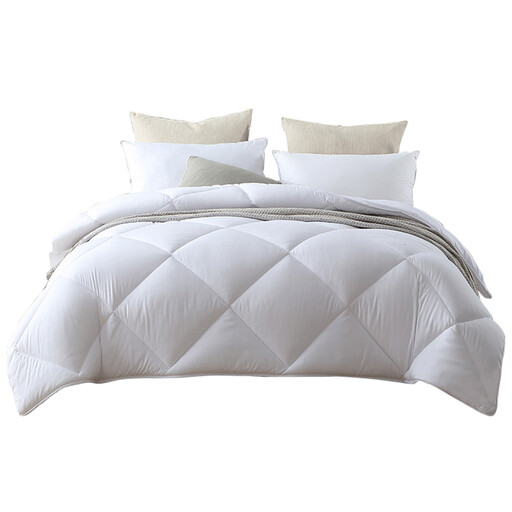
Why it's a great fit: For families and couples, hygiene and an ample size are crucial. This 200x220 cm model is washable and declared hypoallergenic, making it a practical choice for daily life.
By being explicitly labelled as washable and hypoallergenic, it meets the key hygiene requirements for families and allergy sufferers. This goes beyond vague "suitable for allergy sufferers" claims.
The combination of generous dimensions (200x220 duvet) and easy-care properties makes this model a highly practical solution for double beds.
We have compiled a comprehensive, up-to-date list of products that fully meet these strict selection criteria and safety requirements.
For hygiene reasons, it is recommended to wash a duvet once or twice a year. Allergy sufferers should wash their washable duvet more frequently, about every three to four months, at a minimum of 60°C to effectively remove dust mites. Always follow the manufacturer's specific care instructions.
An all-season duvet is a single duvet with a medium warmth rating, designed for stable room temperatures. A four-seasons duvet is a flexible system consisting of two duvets of different thicknesses. They can be used individually as a light summer duvet and a transitional duvet, or buttoned together to serve as a warm winter duvet. This system offers better adaptability to varying temperatures.
For those with dust mite allergies, duvets with a synthetic filling (e.g., polyester, microfibre) are generally the safer choice. However, the crucial criterion is not the material itself, but its washability at at least 60°C. Mites are killed at this temperature. There are also specially treated down duvets (identifiable by the NOMITE seal) that can be suitable for allergy sufferers, as their tightly woven fabric prevents mites from penetrating.