
Lieferung heute & morgen

Qualitätsgarantie

Willkommens-Angebote freischalten: KOSTENLOSE Lieferung | Bis zu 80 % RABATT | Kostenlose 30-Tage-JoyPlus-Testphase
App herunterladen
A 12V car battery charger can recharge a flat vehicle battery, maintain charge during long periods of inactivity, or – depending on the model – offer diagnostic and repair functions. The choice may seem straightforward at first, but many devices differ significantly in battery type, charging current and intended use.
Three common misunderstandings often lead to the wrong purchase:
Before buying, you need to know which battery is fitted in your vehicle. Typical types include:
An AGM GEL EFB charger is designed for the corresponding lead-acid technologies. A charger for lead-acid batteries should not be connected to a LiFePO4 battery without a dedicated setting for it. Look for an explicitly described lithium or LiFePO4 charging function.
The voltage must also be correct. A 12V device is intended for 12V battery systems. Some portable car battery chargers also support 24V, but only in the mode selected for that purpose.
Capacity is given in Ah (amp-hours). A 6A device is typically suitable for smaller to medium batteries, while 15A or 20A can charge larger capacities more quickly. The ranges specified by the manufacturer are what really matter.
Examples from the product range:
A higher charging current isn't always better. For a motorcycle or a small lead-acid battery, a 12V 6A charger may be perfectly adequate. For a large SUV, van, motorhome or boat battery, a 12V 15A or 12V 20A device can reduce charging time – provided the battery and charging profile allow it.
A smart battery charger should detect the charge level and carry out the charging process in a controlled manner. Useful features include:
A battery maintenance charger is useful when a vehicle will be standing for weeks or months. This includes seasonal vehicles, motorcycles, boats, classic cars, motorhomes and rarely used vans. Even so, check whether the device is approved for permanent connection and whether the storage location is dry and adequately ventilated.
Terms like "Pulse Repair" or "Impulse Repair Charger" should be viewed realistically. The function may be intended for certain charge states or signs of sulphation. However, a deeply discharged, damaged or swollen battery must not be charged any further.
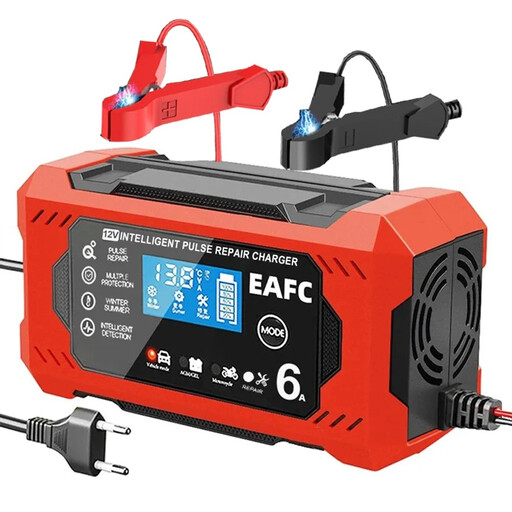
Why this product fits the profile: For car owners and motorcyclists with a 12V lead-acid battery and a capacity of 4 to 100Ah, this model offers a straightforward selection of features.
The specifications list battery types, capacity range and several safety features. This means you can check compatibility against your vehicle's details before buying.
6A charging current, LCD display, automatic control, plus reverse polarity, short-circuit and overheat protection according to the product details.
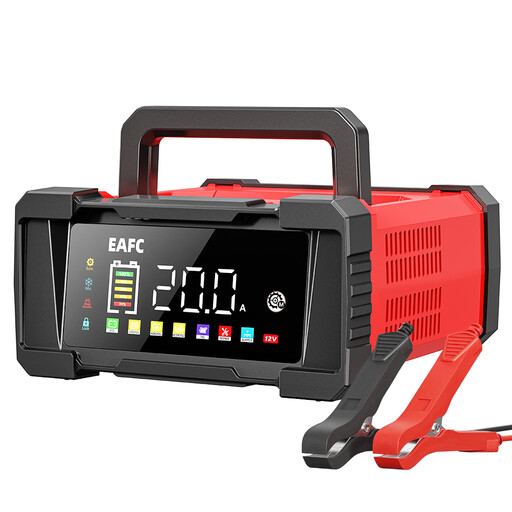
Why this product fits the profile: This portable car battery charger is aimed at users with multiple vehicles or different battery types in the garage, workshop, motorhome and boat.
The seven modes allow you to treat lead-acid and LiFePO4 batteries separately. The selected mode must still match the battery, though.
20A at 12V, 10A at 24V, colour display, 2m cable and multiple protection mechanisms according to the product description.
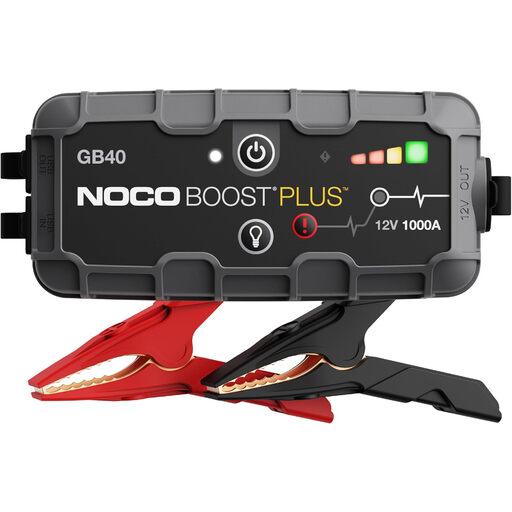
Why this product fits the profile: For emergencies on the road, camping, boats and vehicles with petrol engines up to 6.0 litres or diesel engines up to 3.0 litres, according to the product description.
The clear engine size specification prevents the booster being used indiscriminately for every vehicle. It's designed for jump-starting, not as a replacement for a charger.
Up to 1000A peak current, integrated power bank, LED light and protection against sparks and reverse polarity according to the manufacturer's specifications.

Why this product fits the profile: The booster is designed for 12V vehicles, SUVs, vans, motorcycles, boats and similar applications with the specified engine sizes.
The product specifications exclude 24V systems and state clear limits for petrol and diesel engines. This reduces the risk of incorrect matching.
2000A peak current, ten listed safety features, USB outputs and an LED light according to the manufacturer's description.
We've put together a complete, regularly updated list of products that fully meet these strict selection criteria and the safety regulations in force in the EU.
Before connecting, you should check the battery capacity, battery type and voltage against the charger. Switch off the vehicle and follow the instructions for your particular device. A charger intended for indoor use must not be exposed to rain or splashing water.
If you can see damage, leaking fluid, excessive heat or a swollen battery, do not attempt to charge it. The clamps must not touch each other. With a jump starter power bank, follow the order specified by the manufacturer and the maximum cranking duration.
The charging time depends on the capacity, state of charge, battery type and charging current. A 60Ah battery will take significantly longer with 6A than with 15A or 20A under ideal conditions. In practice, you also have to account for charging phases, losses and the automatic reduction of current.
Not every device will start at a very low voltage. The EAFC 12V 6A model, for example, specifies a minimum start voltage of 8.0V. If the battery is damaged or has no detectable voltage at all, you should not attempt to charge it yourself. The repair function is not a substitute for a condition check.
A smart maintenance charger reduces the charging current after the battery is fully charged and monitors the battery at intervals, depending on the model. The actual power consumption depends on the device, battery condition and vehicle. For longer periods of inactivity, the instructions should include details about continuous operation.