
Same-day & Next-day Delivery

Quality Guaranteed

Unlock Your Welcome Offers: FREE Delivery | Up to 80% OFF | Free 30-day JoyPlus trial
Download the APP
Pineapple juice is a tropical drink that you can enjoy on its own, in a cocktail or smoothie, or at family gatherings. But choosing the right one isn’t always straightforward: terms such as “Pineapple Juice”, “pineapple drink” or “tropical fruit juice” can describe products with very different fruit contents, sugar levels and ingredient lists.
If you’re looking to buy pineapple juice, don’t be guided solely by the picture of the fruit or eye-catching packaging. The product name, ingredients, nutritional information and pack size that suits your needs are what matter most.
A product can have a strong pineapple flavour even if it contains only a small amount of pineapple juice. In a fruit drink, water, sugar or other fruit juices are often listed first among the ingredients. That isn’t necessarily a drawback, but the product should match your expectations.
According to its ingredients list, 100% pineapple juice is made from pure pineapple juice, often from concentrate. A pineapple drink, on the other hand, may contain additional ingredients such as sugar, sweeteners, acidity regulators or flavourings.
In a product with no added sugar, the sugar usually comes from the fruit used. So it’s worth checking the nutritional information per 100 ml, comparing not only the calories but also the “of which sugars” figure.
For example, Rauch Happy Day Pineapple Juice lists 12 g of sugar per 100 ml, according to the product information. Huayang1982 Juice Soda Pineapple contains 3.2 g of sugar per 100 ml, but also includes sweeteners and only contains concentrated fruit juice as part of its recipe.
Buying pineapple juice in a large pack can be economical for parties, family households or regular cocktail-making. However, many products need to be refrigerated after opening and used within a few days. For a smaller household, a 500 ml or 1-litre bottle may be more practical than a carton containing several litres.
Start by reading the full product name and ingredients list. These categories can help you work out what you’re buying:
For blended drinks, the quantitative ingredients declaration is particularly useful. According to the product information, Pfanner Pineapple Coconut Juice contains 25% fruit juices from pineapple and coconut water. Valensina Orange-Mango-Pineapple contains 14% pineapple juice, as well as other fruit ingredients.
For a fair comparison, always compare the figures per 100 ml. Key values to look at include:
Fewer calories don’t automatically mean a higher fruit content. Rubicon Pineapple Juice lists 18 kcal per 100 ml and 20% pineapple juice from concentrate, according to the product information. A product made from 100% fruit, on the other hand, may have more energy and sugar because of the fruit’s natural sugars.
A 1-litre pineapple juice is a good size for the fridge, the family breakfast table or making several cocktails. For events, a multipack such as Pfanner Pineapple Coconut Juice 8 × 1 l or Rauch Happy Day Pineapple Juice 6 × 1 l may be a better choice.
Also check the storage instructions:
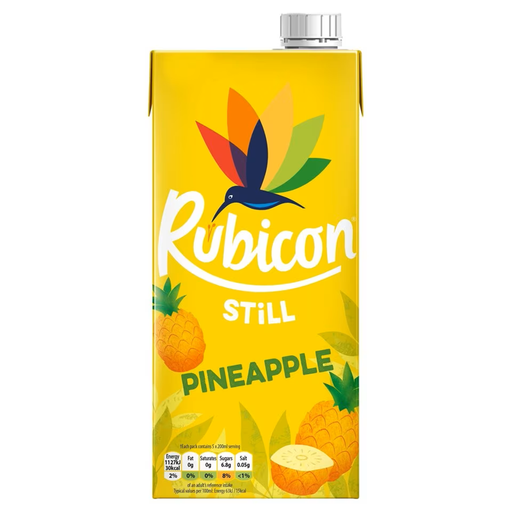
Why it suits this type of shopper: The 1-litre bottle is a manageable size if you’re trying it for the first time, and you can enjoy it on its own or in mixed drinks.
The stated pineapple juice content of 20% makes it clear how this differs from 100% pineapple juice.
1-litre pack; 18 kcal and 3.9 g of sugar per 100 ml, according to the product information.
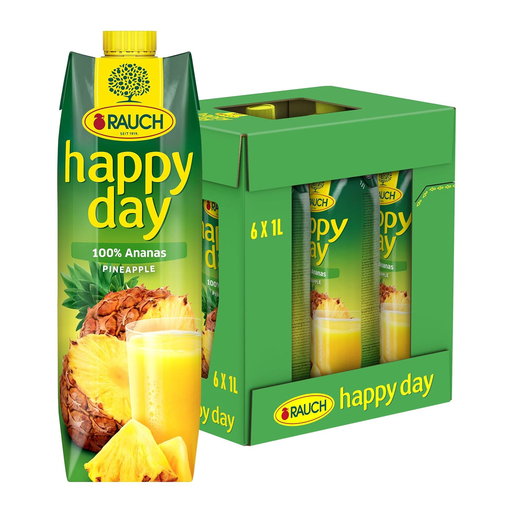
Why it suits this type of shopper: This multipack is for shoppers who prefer clearly stated fruit content for regular use.
The ingredients list states that it contains 100% pineapple juice from concentrate, with no added sugar.
6 × 1 litre; vegan and, according to the product information, contains no preservatives.
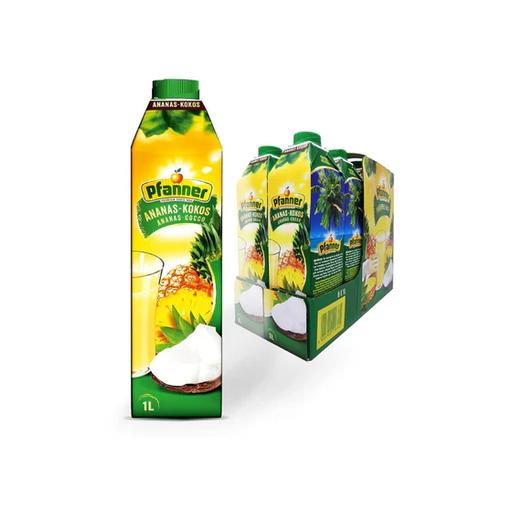
Why it suits this type of shopper: The large pack is ideal for parties, making cocktails regularly and households that get through a lot of juice.
The 25% fruit content is clearly stated, so you won’t mistake this drink for 100% pineapple juice.
8 × 1 litre; combines pineapple and coconut water and is enriched with vitamin C, according to the product information.
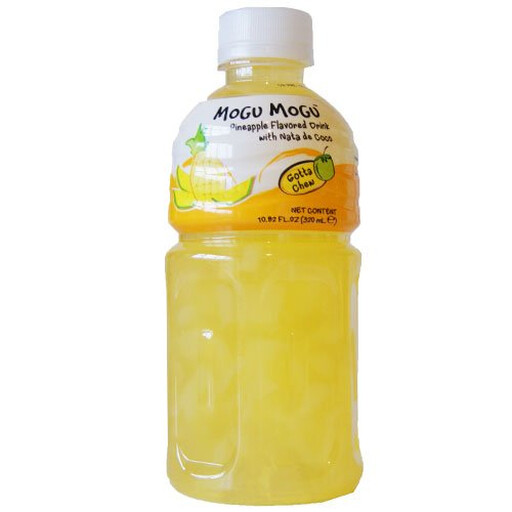
Why it suits this type of shopper: The combination of pineapple flavour and nata de coco appeals to shoppers looking for a drink with added coconut pieces.
The product information states that it contains 25% nata de coco, clearly distinguishing it from classic pineapple juice.
24 × 320 ml; ready to drink chilled and contains coconut ingredients, according to the ingredients list.
We’ve put together a complete, regularly updated list of products that meet these strict selection criteria and fully comply with the safety regulations in force in the EU.
No. 100% pineapple juice contains no added sugar, but it can naturally contain sugar from the pineapple. For comparison, use the nutritional information per 100 ml.
It depends on the product. Many juices need to be refrigerated after opening and used within three to five days. Always follow the storage and usage instructions on the packaging.
A 1-litre pack is often enough for occasional use. For larger events or regular cocktail-making, a multipack such as 6 × 1 litre or 8 × 1 litre may be more practical. Plan how much you’ll use after opening to avoid having too much left over.