
Lieferung heute & morgen

Qualitätsgarantie

Willkommens-Angebote freischalten: KOSTENLOSE Lieferung | Bis zu 80 % RABATT | Kostenlose 30-Tage-JoyPlus-Testphase
App herunterladen
The Ardbeg 10 Year Old is more than just a Scotch Whisky; it's an institution for lovers of intense smoke and complex aromas. But with such a characterful Islay Single Malt, pitfalls lurk that can diminish the experience or lead to a regrettable purchase. As your Joybuy Product Recommendation Officer, I'll help you understand the key characteristics and make an informed choice that perfectly matches your palate.
Many buyers focus solely on the "smoky" label and are then surprised by its intensity, or they pay an inflated Ardbeg 10 Year Old price driven by short-term market fluctuations. Another common mistake is improper handling, which impairs the complex flavour profile. This guide will show you what to look out for.
Before you buy Ardbeg 10, it's crucial to understand the parameters that define it. These three points are essential for distinguishing marketing hype from genuine quality markers.
The Scottish island of Islay is famous for its peated whiskies. Its geographical location gives the Ardbeg 10 Year Old an unmistakable maritime note—a salty, almost medicinal nuance derived from the Atlantic sea spray and the island's unique soil. A true Islay Single Malt like Ardbeg carries this origin in every drop. Look for this classification, as it guarantees a specific style cultivated over decades, which stands in stark contrast to the fruitier Speyside or the gentler Lowland whiskies.
The term "smoky" is often too generic. The intensity and type of smoke aroma are determined by the malt's phenol content, measured in PPM (Parts Per Million). Ardbeg is known for a high PPM value, resulting in a powerful, phenolic smoke reminiscent of tar, iodine, and bonfire. This is not a subtle hint of smoke but its central characteristic. Those looking for a mild, smoky whisky might find this overwhelming. Understanding the peat profile is key to avoiding disappointment and correctly interpreting the Ardbeg tasting notes.
The ten-year maturation that gives the Ardbeg Ten its name takes place predominantly in ex-bourbon casks made from American white oak. These casks tame the youthful power of the spirit and add a crucial dimension: sweetness. Notes of vanilla, toffee, and citrus fruits form a necessary counterpoint to the intense peat smoke. Without this balance, the whisky would be harsh and one-dimensional. The maturation period and cask selection are therefore not minor details but are crucial for its complexity and overall harmony. Furthermore, Ardbeg 10 is bottled at 46% ABV and is non-chill filtered, which means more flavour-bearing oils and esters remain in the whisky, providing a fuller mouthfeel.
Not every whisky suits every occasion or palate. Here are some recommendations tailored to different preferences.
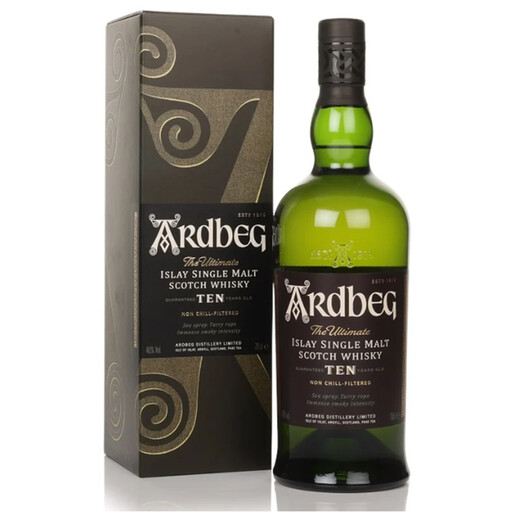
Why this product is a match: For connoisseurs who specifically seek the intense, medicinal, and complex peat smoke that defines Ardbeg and the Isle of Islay. This is not a compromise; it's the benchmark for powerful Islay enjoyment.
It delivers the exact powerful, unmistakable peat profile that enthusiasts expect. This prevents the disappointment of getting a vaguely "smoky" whisky.
Bottling at 46% ABV and being non-chill filtered preserves a fuller texture and a more intense flavour profile compared to standard 40% ABV bottlings.
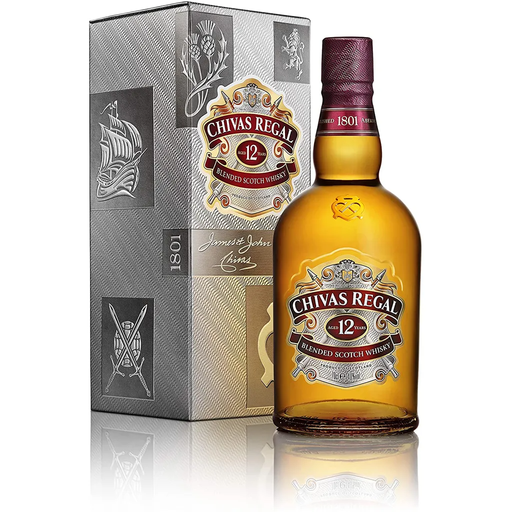
Why this product is a match: Ideal for those who appreciate the complexity of Scotch but prefer a smoother, less smoke-forward profile. A great choice for social gatherings or as an introduction to the world of Scotch.
This product offers a multi-layered taste without the dominant phenolic intensity of an Islay malt. This helps avoid a potential "peat shock" for the uninitiated.
As a Blended Scotch, it is designed for harmony and smoothness. It combines notes of honey, ripe apples, and vanilla for an accessible and well-rounded tasting experience.
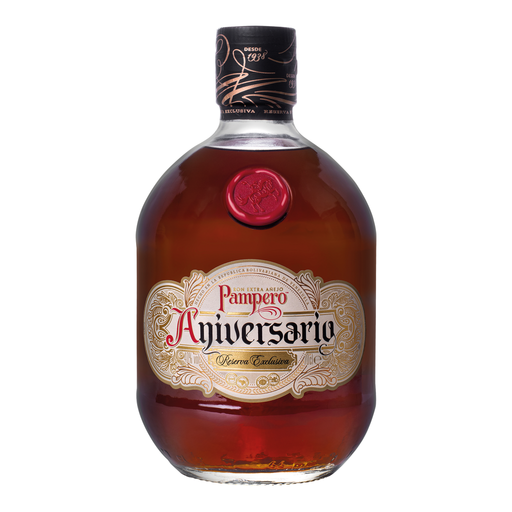
Why this product is a match: For connoisseurs who appreciate aged spirits with deep character and are willing to look beyond the world of Scotch whisky. An excellent alternative for lovers of complexity.
This product offers a rich, sweet, and spicy profile that derives its complexity from cask maturation rather than peat smoke. It's an alternative that demonstrates a different kind of depth.
A premium Venezuelan rum, matured in ex-sherry and ex-bourbon casks. It develops complex notes of chocolate, dried fruits, caramel, and spices.
We have compiled a complete, up-to-date list of products that fully meet these strict selection criteria.
1. What exactly does Ardbeg 10 Year Old taste like? The Ardbeg tasting notes are defined by an intense balance. On the nose, you'll find powerful peat smoke, citrus fruits, and a mineral, salty note. On the palate, the smoke explodes but is immediately captured by a distinct sweetness (vanilla, toffee) and notes of black pepper and espresso. The finish is long, smoky, and warming.
2. What is the difference between Ardbeg 10 and other Islay whiskies? Although all are heavily peated, there are subtle differences. Laphroaig is often even more medicinal and iodine-heavy. Lagavulin, particularly the 16-year-old expression, tends to be richer and rounder, often with more influence from sherry casks. Ardbeg stands out for its combination of intense, tar-like smoke and a clear, citrusy sweetness, which makes it very well-balanced.
3. What is the proper way to drink a peated whisky like Ardbeg Ten? To experience its full complexity, it is recommended to first try it neat at room temperature. A few drops of still water can "open up" the aromas and release new nuances, especially the sweeter and fruitier notes. Ice can numb the aromas and is therefore avoided by many connoisseurs during an initial tasting.