
Lieferung heute & morgen

Qualitätsgarantie

Willkommens-Angebote freischalten: KOSTENLOSE Lieferung | Bis zu 80 % RABATT | Kostenlose 30-Tage-JoyPlus-Testphase
App herunterladen
A high-quality vitamin C mask promises a more even complexion and a fresher radiance. However, the market is filled with products whose marketing claims often suggest more than the formulation can actually deliver. Many users invest in masks that are either ineffective or even irritate the skin. Before you make a decision, it's important to know the most common pitfalls.
Two common problems often lead to disappointment:
To make an informed purchasing decision, you should focus on objective parameters rather than on marketing claims alone. The following three criteria are crucial for the efficacy and tolerability of a vitamin C mask.
Not all vitamin C is created equal. Choosing the right form is fundamental to the result.
The effect of vitamin C can be significantly enhanced by other ingredients. A good formulation leverages these synergies.
The type of mask influences how the active ingredients are delivered to the skin.
Based on the criteria mentioned, we have compiled a selection of products suitable for different user profiles and skin goals.
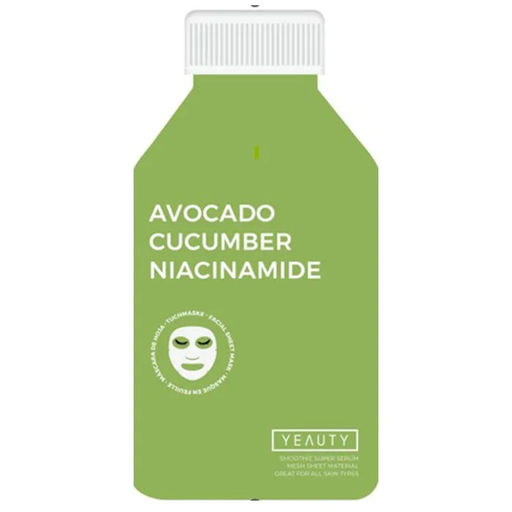
Why This Fits Their Persona: Ideal for those who want to enjoy the benefits of brightening ingredients without overwhelming their sensitive skin. The formula combines gentle actives with a strong focus on hydration and soothing.
Relies on a combination of Niacinamide and a stable vitamin C derivative (3-O-Ethyl Ascorbic Acid) instead of a potentially irritating, high-concentration L-Ascorbic Acid.
Deeply hydrating and soothing thanks to ingredients like avocado oil and cucumber extract. Excellent value for weekly use.
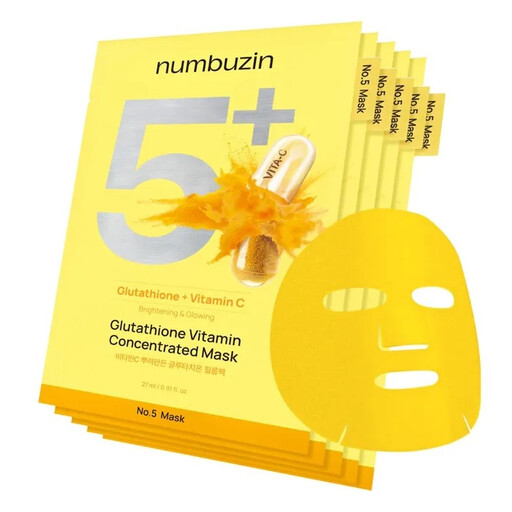
Why This Fits Their Persona: For experienced users seeking an intensive brightening face mask to specifically target dark spots and an uneven skin tone.
Utilizes the synergy of an active complex of Glutathione, Niacinamide, and Vitamin C. This approach is often more effective and balanced than a formula that relies on a single, high-dose ingredient.
A highly concentrated ampoule mask specialized in reducing hyperpigmentation. The individual packaging of the sheet mask ensures the stability of the active ingredients.
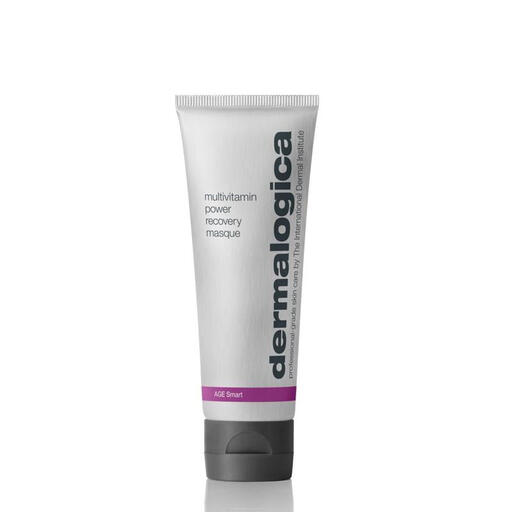
Why This Fits Their Persona: Perfect for mature skin or users looking for a comprehensive anti-aging mask. This mask not only brightens but also targets skin elasticity and the reduction of fine lines.
Features a complex of multiple vitamins (A, C, E) in stable forms like Ascorbyl Palmitate and Retinyl Palmitate. The opaque tube protects the formulation from light and air.
A rich cream mask that intensely nourishes the skin and supports regeneration. It has a calming effect and helps repair the skin barrier after stress or environmental exposure.
We've compiled a complete, up-to-date list of products that fully meet these strict selection criteria and all applicable safety regulations.
The frequency of use depends on the product's concentration and formulation, as well as your skin's sensitivity. For most sheet or cream masks, using them once or twice a week is a good rule of thumb. Listen to your skin's needs and adjust the frequency if you notice any signs of dryness or irritation.
It is generally not recommended to use high-concentration vitamin C and retinol in the same skincare routine (e.g., one right after the other on the same evening), as this can increase the risk of skin irritation. A proven method is to alternate their use: for example, use the vitamin C mask in the morning or on evenings when you are not applying a retinol product.
A sticky or tacky feeling after using a mask can have several causes. It's often due to hydrating ingredients like glycerin or hyaluronic acid, which bind moisture to the skin's surface. Sometimes, it's also a sign that too much product was applied. The feeling usually subsides after a few minutes. You can gently pat any excess serum into the skin or proceed with your moisturizer after a short wait.