
Lieferung heute & morgen

Qualitätsgarantie

Willkommens-Angebote freischalten: KOSTENLOSE Lieferung | Bis zu 80 % RABATT | Kostenlose 30-Tage-JoyPlus-Testphase
App herunterladen
A face mask can complement your skincare routine, but it’s often chosen based on bold advertising claims rather than product features that suit your needs. If you’re looking to buy a cleansing face mask, clay mask or Korean face mask, it’s worth matching the skin type, ingredients and instructions for use.
A clay face mask can absorb excess oil and surface residue. However, it won’t permanently change the size of your pores. Claims such as “pores disappear” or “blackheads are removed permanently” should therefore be treated with caution. A face mask for blackheads may leave your skin looking temporarily cleaner, but it’s no substitute for a consistent skincare routine.
A mask for oily skin doesn’t need to dry it out as much as possible. Frequent use, leaving a mask on for too long or using several exfoliating products on the same day can contribute to tightness and redness. Use a clay mask as directed by the manufacturer, then follow up with a suitable moisturiser.
In cosmetics, the term detox face mask usually describes a mask containing clay, charcoal or mineral ingredients. These can absorb dirt, excess sebum and product residue from the skin’s surface. It doesn’t mean medical detoxification. Likewise, a “brightening face mask” refers to cosmetic skincare intended to promote a more even-looking or radiant complexion, not to treat a pigmentation disorder.
The product description should match your specific needs: a mask for blemish-prone skin containing clay has a different skincare purpose from a hydrating face mask with an essence-rich texture.
Kaolin and bentonite are found in many cleansing masks and can absorb excess sebum. Charcoal is often used in products for pore cleansing. BHA, salicylic acid and mandelic acid indicate exfoliating ingredients. A Korean face mask may also contain centella asiatica, red bean, niacinamide or hyaluronic acid.
The full INCI list on the packaging is what matters. Formulas can change. If you have sensitive skin, compare products carefully, especially when they contain fragrance, alcohol, essential oils or acids.
A large tub isn’t automatically better value if the product has a short shelf life or is used too often. Check:
When applying a mask, cleanse your face, apply a thin, even layer, avoid the eye and mouth areas, then rinse thoroughly if it’s a wash-off mask. Remove a sheet mask after the stated time; you can gently pat in any remaining essence.
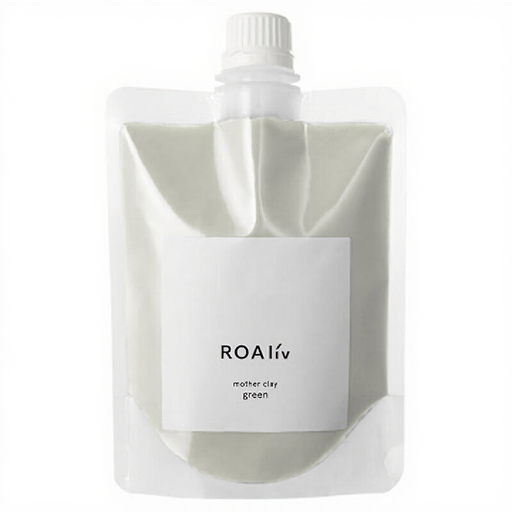
Why this product suits this profile: This 240 g wash-off mask is designed for regular use and contains kaolin, bentonite and illite. It’s a good option for beginners looking for a classic clay mask for the face and, if desired, the neck.
The recommended application time of around 5 minutes helps prevent you from leaving it on for too long. The product description also lists nourishing ingredients such as honey, propolis and niacinamide.
Large size; combines several clays to absorb excess sebum cosmetically.
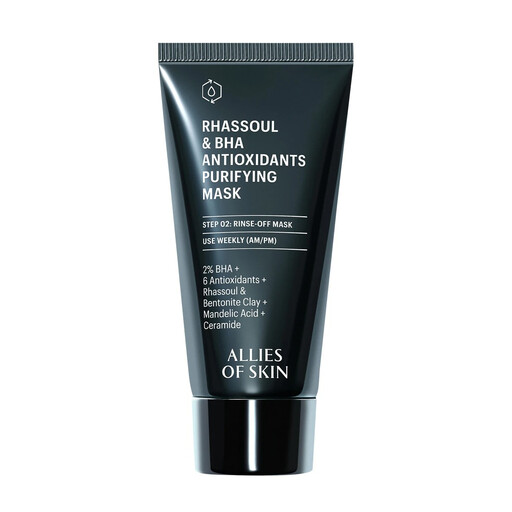
Why this product suits this profile: The formula combines rhassoul, kaolin, bentonite, BHA and antioxidants from green tea. It’s aimed at buyers who carefully check the INCI list for products with several skincare benefits.
The recommended use of 1–2 times a week and application time of 10–15 minutes provide clear guidelines. A patch test is particularly advisable with BHA.
50 ml tub; according to the product information, contains rhassoul, BHA and ceramide NP, panthenol and allantoin.
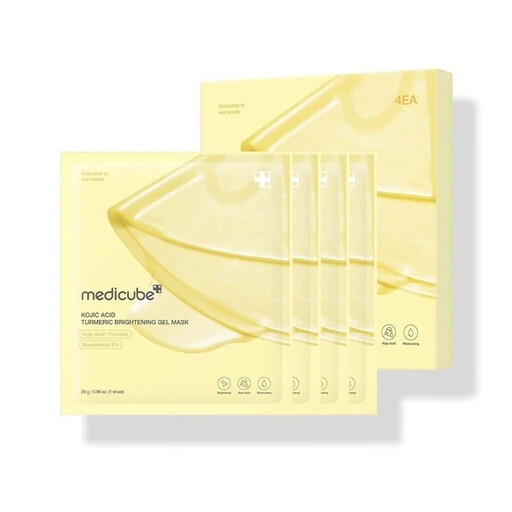
Why this product suits this profile: The set contains four gel sheet masks, each weighing 28 g. It’s a good fit for anyone who prefers individually portioned Korean face masks for hydration and a more even-looking complexion.
The individual sachets reduce contact with the product and make it easier to use the right amount. The recommended application time of 10–20 minutes is clearly stated.
Four individually packaged gel sheets; according to the product description, they contain kojic acid, turmeric extract and hydrating ingredients.
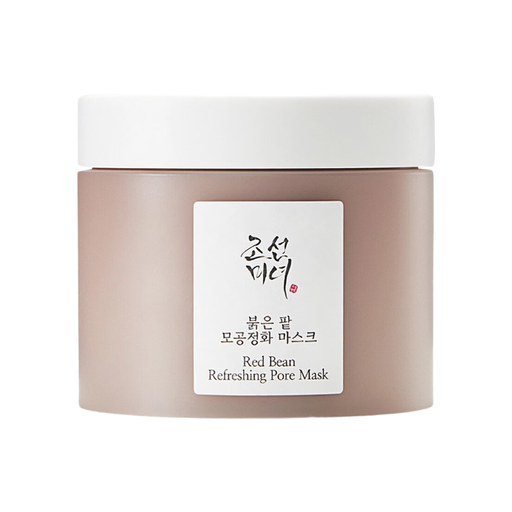
Why this product suits this profile: This wash-off mask combines kaolin with red bean extract and powder. The 140 ml size is suitable for regular cosmetic pore cleansing if you prefer a Korean skincare routine.
The instructions recommend leaving it on for 5–10 minutes, then rinsing with lukewarm water. This makes it easy to keep your routine within a set time.
140 ml; according to the product information, kaolin absorbs sebum while red bean ingredients provide gentle mechanical exfoliation.
We’ve put together a complete, regularly updated list of products that meet these strict selection criteria and fully comply with the safety regulations in force in the EU.
Before using a mask for the first time, test it on a small area of skin, especially if it contains BHA, salicylic acid, fragrance or essential oils. If you experience burning, persistent redness, swelling or itching, wash the product off and stop using it. Don’t apply masks to broken or severely irritated skin.
A cleansing face mask is usually used once or twice a week. Depending on the product instructions, you may be able to use a hydrating face mask more often. Avoid combining several exfoliating products without careful consideration. If you’re using products containing acids during the day, it’s a good idea to apply suitable sun protection.
Clay, mud and charcoal masks are often intended for use once or twice a week. However, always follow the packaging instructions and take your skin’s individual tolerance into account. If you have dry or sensitive skin, leaving a longer gap between uses may be advisable.
It depends on the type of mask. The products mentioned here, for example, have recommended application times of around 5 to 20 minutes. A clay mask doesn’t need to become completely hard or crack before you rinse it off. Leaving it on for longer won’t necessarily improve its skincare benefits.
A clay or BHA mask can cosmetically cleanse the skin’s surface and areas around the pores. A nose strip sticks directly to the skin and is peeled off once dry. Both options can feel uncomfortable if your skin is sensitive or irritated. When choosing between them, ingredients, instructions for use and how well your skin tolerates the product matter more than bold-sounding marketing claims.