
Lieferung heute & morgen

Qualitätsgarantie

Willkommens-Angebote freischalten: KOSTENLOSE Lieferung | Bis zu 80 % RABATT | Kostenlose 30-Tage-JoyPlus-Testphase
App herunterladen
Asian dried fruit offers a wide range of sweet, tangy and savoury flavours. Dried mango from the Philippines, Chinese red dates, longan fruit, jackfruit and coconut are suitable as snacks on the go, at the office or in a lunchbox, as well as ingredients for tea, desserts and Asian dishes.
However, choosing the right product is not always straightforward. Terms such as “natural”, “premium” or “superfood” reveal little about the actual composition on their own. Anyone looking to buy dried fruit online should therefore pay particular attention to the ingredients list, sugar and salt content, pack size and information about additives.
Many dried fruits naturally contain sugar. Processed varieties may also contain added table sugar, glucose syrup, maltose syrup or glucose-fructose syrup. This applies, for example, to many products containing dried mango, pineapple or strawberries.
The ingredients list reveals the difference:
The nutrition table is also relevant. According to the product information, some mango snacks contain around 318 to 370 kcal per 100 g and approximately 35 to 64 g of sugar per 100 g, depending on the recipe.
A 1 kg pack may appear attractive at first glance. It only makes sense, however, if the fruit is used regularly and can be stored in a dry, airtight environment after opening. For occasional snacking, packs of 50 to 160 g are often more practical.
Moisture can alter the texture of sticky, soft-dried fruit in particular. Once opened, the pack should therefore be resealed carefully. The specific storage instructions on the label take precedence.
Sulphites, also known as sulphur dioxide, may be used as preservatives in dried fruit. They must be identified as allergens in the product information. Anyone sensitive to sulphites should check the ingredients list and allergen labelling before buying.
Some products also contain colourings. Be&Cheery Dried Strawberry 100 g, for example, lists E120, while X.O. Salted Red Plum 70 g lists E110. The product carries the legally required warning for E110 stating that the colour may have an adverse effect on activity and attention in children. The information on the relevant packaging is authoritative.
Ingredients are generally listed in descending order by weight. A high fruit content can be a useful comparison point when choosing between products, but it does not replace checking the full recipe.
Examples from the selection:
In candied products, sugar and syrup can account for a substantial proportion of the ingredients. Buyers who prefer shorter ingredients lists should specifically look for products with only a few components.
Comparing values per 100 g makes different pack sizes easier to assess. The key figures include:
Values can vary significantly between fruit types. According to the product information, freeze-dried coconut contains 53 g of fat per 100 g, while several mango products are listed as containing 0 to 0.5 g of fat. These differences are more important for personal selection than general marketing claims.
Soft, chewy fruits such as dried mango, dates and longan are well suited to eating straight from the pack. Crisp coconut chips are better suited to muesli, yoghurt or desserts. Red dates and longan fruit can also be used in tea, congee, soups and braised dishes.
With salted plums, sweetness is not the primary focus. According to the product information, X.O. Salted Red Plum 70 g contains 8 g of salt per 100 g and is intended both as a snack and for adding flavour to tea, soda or cold drinks.
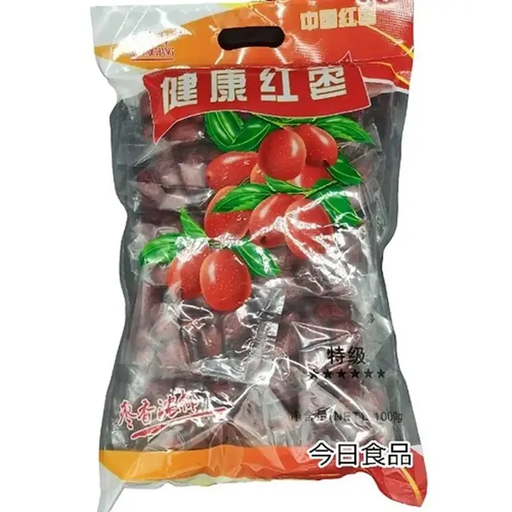
Why this product suits the profile: The 1 kg pack is suitable for households that regularly use red dates as a snack or in tea, soups and desserts.
According to the product information, the ingredients list consists of 100% dried red dates; no added sugar is listed.
1 kg contents; ready to eat and suitable for tea, congee, soups and desserts.
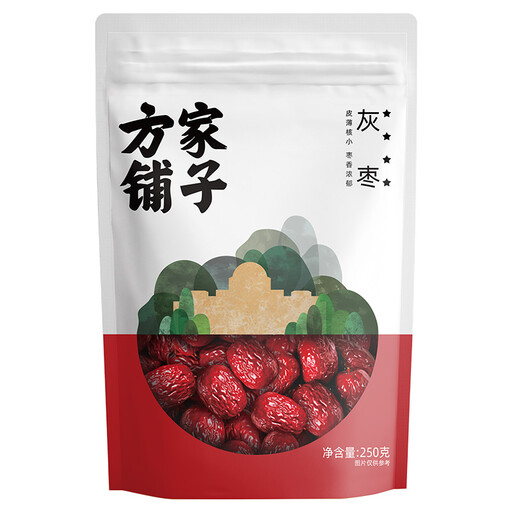
Why this product suits the profile: The 250 g pack offers a manageable quantity for buyers comparing origin information, grading and versatility.
The ingredient information lists 100% dried Loulan jujube. No syrups or additional flavourings are listed.
250 g contents; intended for snacking, tea, soups, braised dishes and baked goods.
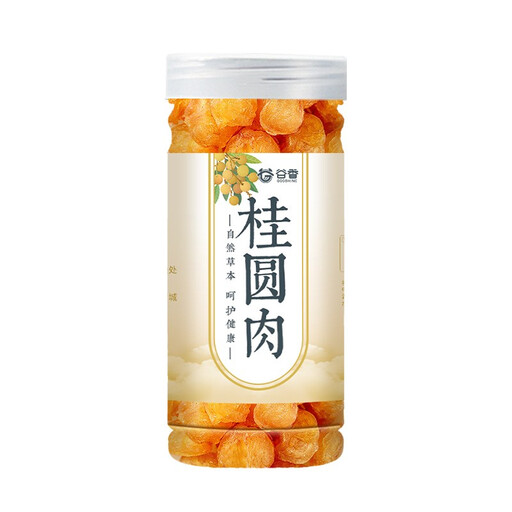
Why this product suits the profile: Longan fruit is a fitting choice for users who want to combine Asian snacks with uses in tea, soup or rice porridge.
The product information lists longan fruit as the sole ingredient and states that it has been peeled and deseeded.
120 g contents; ready to eat and also suitable for tea, soups and rice porridge.
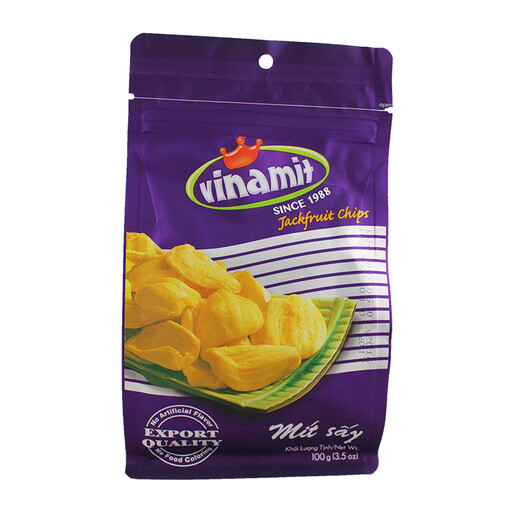
Why this product suits the profile: The pieces are ideal for fans of exotic fruit snacks looking for a firmer, chewier alternative to mango or pineapple.
The product information states a jackfruit content of 98% and lists vegetable oil, rather than syrup, as the additional ingredient.
100 g contents; suitable as a snack or topping for yoghurt, muesli and desserts.
We have compiled a complete, regularly updated list of products that fully meet these strict selection criteria and the safety regulations applicable in the EU.
For products containing sulphites, colourings or added sugar, check the labelling before consumption. For children, also follow the information provided on the packaging.
Red dates and longan fruit are expressly listed for use in tea in the product information. They can be portioned directly and infused with hot water. Depending on the product, additional ingredients or sugar may be present, so always check the ingredients list.
This depends on the variety and the information on the packaging. Dry products should be stored in a cool, dry place away from direct sunlight. Once opened, soft fruit snacks retain their intended texture for longer when sealed airtight. For certain products, including some mango products, the instructions may recommend refrigeration and consumption within a specified period after opening.
Many pure fruit products are plant-based. However, processed snacks may contain additional ingredients such as flavourings, colourings or different types of sugar. A definitive assessment is only possible by checking the current ingredients list and, where applicable, the labelling on the packaging.