
Lieferung heute & morgen

Qualitätsgarantie

Willkommens-Angebote freischalten: KOSTENLOSE Lieferung | Bis zu 80 % RABATT | Kostenlose 30-Tage-JoyPlus-Testphase
App herunterladen
Dried red dates (jujube) are Chinese dried fruits that are becoming increasingly popular in Germany as a snack and for tea, soups, porridge and desserts. However, the name can be misleading: jujubes should not be confused with classic dates of the species Phoenix dactylifera. Flavour, texture, stone content and ingredients can vary considerably from one product to another.
If you want to buy jujube, you should not be guided solely by terms such as “premium”, “healthy” or “naturally sweet”. The information on the packaging and the intended use are what really matter.
Dried jujubes naturally contain sugar. Some products consist solely of jujubes, while others are made with additional sucrose, glucose syrup or other ingredients. One example is Changsi Ejiao Royal Jujube 227 g: according to the product information, the mixture contains red dates, sucrose, glucose syrup and donkey-hide gelatin.
If you want to buy red dates and are looking for the shortest possible ingredients list, look specifically for information such as “100% jujube”. Candied jujube, on the other hand, is likely to have a noticeably sweeter recipe and a softer, stickier texture.
Many Chinese dates are sold with their stone. This can be inconvenient when eating them as a snack and should be taken into account when using them in tea, soups or baked goods. Descriptions such as “pitted jujube”, “seedless” or “pitted” indicate a processed version.
Even so, you should check the specific product description. With whole fruits, the stone can slow down preparation. For porridge, desserts or baking recipes, pitted jujubes or pre-sliced red dates are often easier to portion.
For some products, crispy jujube is made by vacuum-frying. This changes the nutritional profile: according to the product information, Haoxiangni Crispy Red Dates 210 g contains winter jujube and palm oil. It provides 463 kcal and 18.2 g of fat per 100 g. This is significantly different from softly dried jujubes, which may consist solely of fruit.
If you are looking for jujube with a crunchy texture to enjoy as a snack, you should therefore read the ingredients list and nutrition table together. “Crispy” primarily describes the texture, not necessarily a particular composition.
For an easy comparison, the ingredients list is the first place to look. Products containing 100% dried jujubes do not contain added sweeteners or oils, according to the stated information. Sugar, syrup, palm oil, fruit ingredients or acidity regulators may be added to flavoured, candied or fried varieties.
Allergens should also be taken into account. HXN Original Flavoured Sliced Jujube 280 g, for example, lists soya as an allergen. The labelling on the packaging supplied with the product is authoritative.
The texture can change with exposure to moisture. Once opened, the fruit should be stored in a cool, dry place and preferably in an airtight container, in line with the packaging instructions.
For occasional sampling, packs between 175 and 280 g are manageable. If you regularly use jujube for tea and soups, 454 g, 500 g or 1 kg packs can make planning easier. Individual portions such as 30 bags of 30 g can be practical for storing and taking on the go, but they create more packaging waste.
Also pay attention to the nutritional values per 100 g. The figures given in the product data for many softly dried varieties are approximately between 250 and 330 kcal per 100 g; crispy products containing oil can be considerably higher.
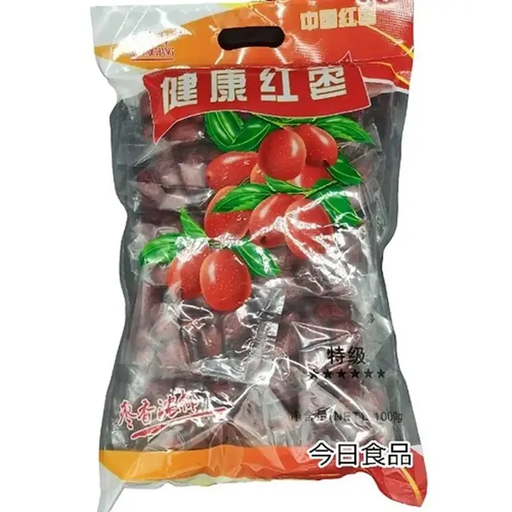
Why this product suits this profile: The 1 kg pack is ideal for households that regularly snack on Chinese dates while also using them for tea, porridge, soups or desserts.
The ingredients list states 100% dried red dates. Based on the product information, no additional sugar or syrup is listed.
100% fruit, ready to eat and suitable for several preparation methods; nutritional value: 287 kcal per 100 g.
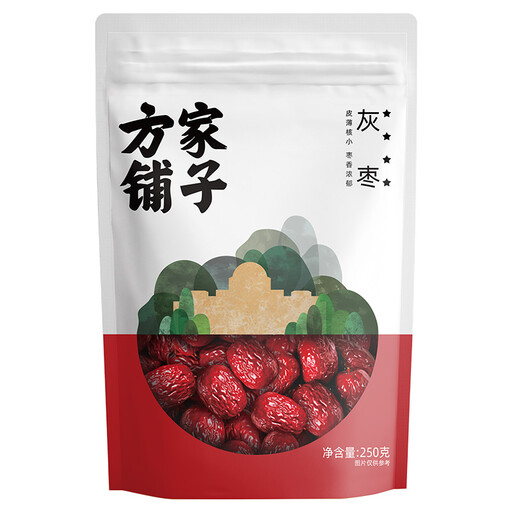
Why this product suits this profile: The 250 g pack is aimed at shoppers who prefer a stated grade, whole fruits and a clearly declared single ingredient.
The product data states 100% dried Loulan jujube. No additional sweeteners or oils are listed.
250 g contents, whole fruits and, according to the stated information, suitable for snacks, tea, soups, porridge and baked goods.
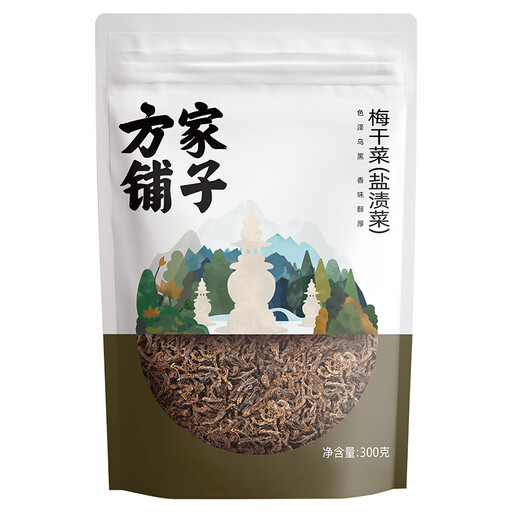
Why this product suits this profile: Pitted jujube in a 500 g pack saves preparation time when regularly used in tea, soups, porridge and baking recipes.
The product name explicitly states that the jujubes are pitted. The ingredients information lists 100% dried, pitted grey jujube.
Pitted fruit, 500 g contents and, according to the product information, ready to eat and suitable for hot preparations.
We have put together a complete, regularly updated list of products that fully meet these strict selection criteria and the safety regulations applicable in the EU.
For jujube used in tea and soups, a quick rinse is usually sufficient unless the packaging gives different instructions. Whole fruits can be infused directly with hot water or simmered in soups and porridge. Sliced varieties such as Fang Jia Puzi Dried Red Date Slices 200 g can be portioned without any cutting.
It is important to follow the product-specific instructions for use: according to the stated information, HEYU Premium Jujube 800 g should be washed thoroughly and cooked before consumption and is not intended to be eaten raw. This information takes precedence over general preparation tips.
Once opened, dried red dates should be stored in a dry, dark place in a tightly sealed container. Moisture can change the texture and, if stored incorrectly, affect shelf life. The best-before date and the manufacturer’s specific instructions can be found on the relevant packaging.
In Germany, jujubes are often referred to in shops as red dates or Chinese dates. The term refers to the fruit of the jujube tree. Botanically, it is not the same as the familiar dates from North Africa or the Middle East.
Many products are ready to eat according to the product information. For varieties with a stone, it must be removed. Some products, such as HEYU Premium Jujube, are specifically intended for cooking. You should therefore check the ingredients list and instructions for use before eating.
The specific best-before date is printed on the packaging. When stored in a dry, cool place protected from light, the quality will generally be maintained for longer than when exposed to heat or high humidity. Once opened, an airtight seal and prompt consumption are recommended.