
Lieferung heute & morgen

Qualitätsgarantie

Willkommens-Angebote freischalten: KOSTENLOSE Lieferung | Bis zu 80 % RABATT | Kostenlose 30-Tage-JoyPlus-Testphase
App herunterladen
The variety of Asian beverages is increasingly finding its way into households worldwide. From exotic juices with fruit pieces to traditional teas, the selection is vast and tempting. However, online shopping can present a few pitfalls that may lead to disappointment. This guide will help you correctly interpret labels and make an informed choice that meets your expectations.
Before you fill your shopping cart, you should be aware of three common misunderstandings that often lead to a purchase you'll regret:
To ensure you find the right product for your taste and needs, it's essential to check a few key parameters.
The designation on the packaging provides a clear indication of quality. In the EU and many other regions, strict rules apply:
Pay close attention to the declared fruit content to avoid accidentally buying a sugary drink instead of pure juice.
A short ingredient list is often a good sign. Pay attention to the order of the ingredients: what's listed first is present in the largest quantity. If sugar or high-fructose corn syrup is near the top of the list, it is a highly sweetened product. Those looking for exotic juices in a more natural form should opt for products where the ingredient list begins with "Water" and "Fruit Juice Concentrate" or "Fruit Purée."
Many Thai soft drinks, like those from the brand Mogu Mogu, contain Nata de Coco. This is a firm, jelly-like product made from the fermentation of coconut water. This Nata de Coco drink offers a unique chewing experience. If you enjoy such a texture, you're in the right place. If you prefer a smooth juice, you should choose products without this ingredient.
To make your decision easier, we have matched some products from our range to different user profiles.
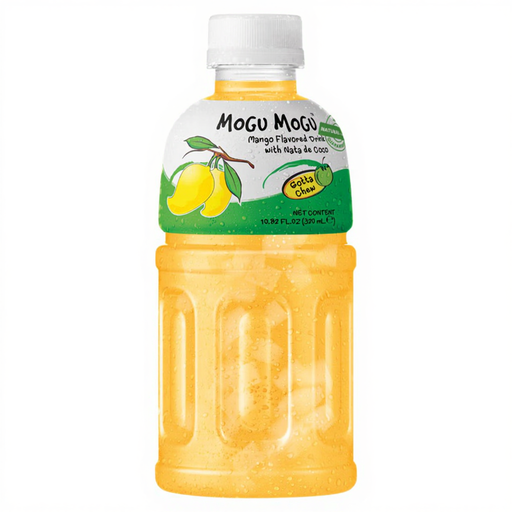
Why This Fits Their Persona: Ideal for trend-conscious consumers who discover new products via social media and are looking for a drink with a playful, textural element. The exotic mango flavour combined with the chewy Nata de Coco pieces offers a distinctive experience.
The chewy texture is the advertised main feature here, not an unexpected surprise. The product description clearly indicates the presence of Nata de Coco (25%).
A combination of a drink and a snack; unique mouthfeel that stands out from traditional juices.
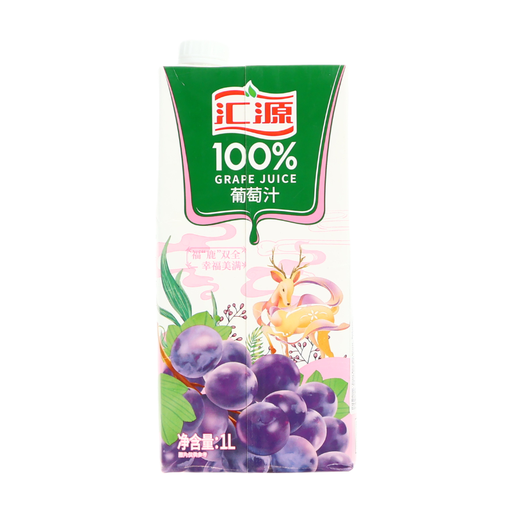
Why This Fits Their Persona: Perfect for shoppers seeking an authentic, unadulterated juice flavour. This product is aimed at those who value a short ingredient list and no added sugar.
It avoids the sugar trap, as the manufacturer states there is no added sugar. The ingredient list is minimalist (water, concentrated grape juice), preventing confusion from additives.
Pure fruit taste without artificial additives; versatile for drinking straight or as a base for mixed drinks.
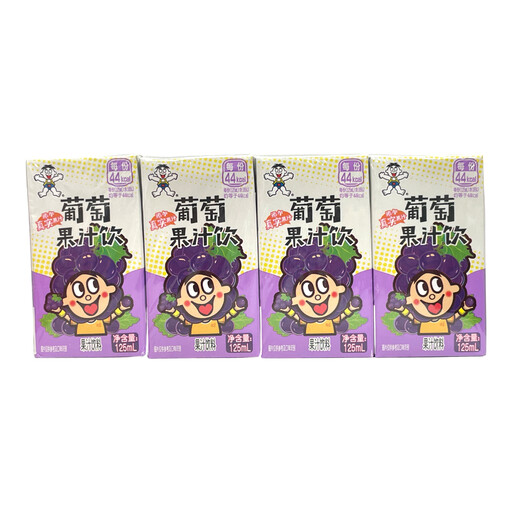
Why This Fits Their Persona: The small 125ml cartons are ideal for parents looking for a convenient drink for lunchboxes, outings, or as a quick refreshment for children. The portion size is easy to manage.
The product is clearly labelled as a "fruit juice drink" with 1% juice content, which sets realistic expectations for its fruit content. The small portion size helps control sugar intake.
Convenient multipack packaging; handy, kid-friendly portion sizes for on-the-go.
If you'd like to discover more Chinese beverages or other Asian specialities, you can find a wide selection in our category, ready to be ordered conveniently online.
Nata de Coco is a chewy, translucent ingredient produced by the fermentation of coconut water. It has a gel-like yet firm consistency and a mild, slightly sweet taste. In beverages, it serves as a textural element that provides a chewing experience while drinking.
As with most juices, opened Asian fruit juices and fruit juice drinks should be refrigerated immediately. It's best to consume the contents within 2-3 days to maintain freshness and quality. Always follow the specific instructions on the product packaging.
The level of sweetness can vary significantly. Traditional winter melon tea (Dong Gua Cha) is often sweetened with sugar or rock sugar and has a refreshing, mildly sweet taste. Some modern variations are available as low-calorie versions with sweeteners. A look at the nutrition facts and ingredient list will reveal the sugar content. For example, according to the manufacturer, the Huierkang Winter Melon Tea contains only 9 kcal per 100 ml.