
Lieferung heute & morgen

Qualitätsgarantie

Willkommens-Angebote freischalten: KOSTENLOSE Lieferung | Bis zu 80 % RABATT | Kostenlose 30-Tage-JoyPlus-Testphase
App herunterladen
If you want to buy coffee and tea online, you’ll quickly find a wide range of international specialities, blends and single-serve portions. However, the product description alone isn’t always enough to help you make the right choice. Words such as “intense”, “traditional” or “aromatic” don’t tell you much if the grind, ingredients, portion size or preparation method aren’t right for you.
Terms such as “strong”, “mild” or “full-bodied” are subjective. More useful details include:
A large pack isn’t necessarily better value. For coffee, check the recommended amount per cup. For tea, it matters whether the pack contains loose leaves, tea bags or individually wrapped portions. For example, a 500 g pack of black tea may suit keen tea drinkers, while single portions can be more convenient at work or on the go.
Coffee and traditional black or green tea usually contain caffeine. If you’re sensitive to it, keep an eye on your daily intake. Caffeine-free alternatives, such as barley tea, may be another option, but they don’t taste the same as coffee.
It’s worth checking the ingredients list for ready-made blends. According to the product details, Jacobs 3in1 Caramel Instant Coffee Sticks contain sugar, milk ingredients and 6.7% instant coffee, among other ingredients. This makes them quite different from pure instant coffee. If barley is an ingredient in barley tea, remember that it contains the allergen gluten.
Choose a product that suits the way you plan to prepare it:
Kurukahveci Mehmet Efendi Turkish Coffee 250 g is an example of finely ground Turkish coffee. According to the product details, it is made from 100% Arabica coffee and is slowly heated in a cezve with water and, optionally, sugar. The coffee grounds remain in the cup and should be left to settle.
Pure coffee and tea usually have low nutritional values once brewed, provided you don’t add sugar or milk. Ready-made blends are different. Flavoured hot drinks may contain a high proportion of sugar, milk powder or vegetable fats.
For an informed choice, check:
Coffee readily absorbs moisture and strong odours. Resealable packaging or individual sachets can therefore be useful for everyday use. Store coffee and tea in a cool, dry place away from direct sunlight. Once opened, seal the packaging as airtight as possible.
For larger packs, such as Ceylon tea or Assam blends, an airtight storage container is a good idea. If you only drink tea occasionally, smaller packs or individually wrapped tea bags may be more practical.
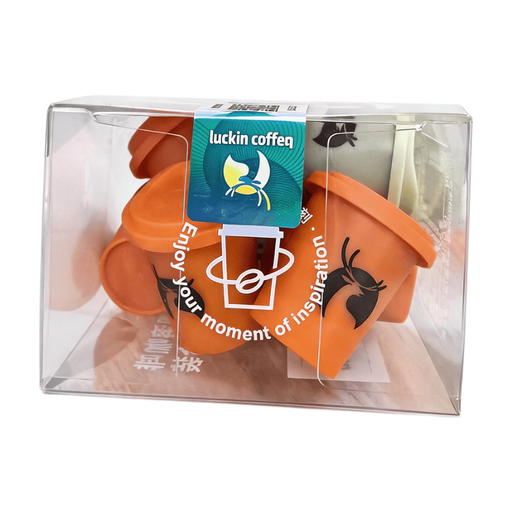
Why this product suits this profile: The 16 individually wrapped 2 g sachets are easy to prepare at home, at work or on the go with around 150 ml of hot or cold water.
The portion size and preparation method are clearly stated, so there’s no need to open a larger pack or measure out coffee.
Arabica coffee according to the product details, three varieties and individually wrapped portions.
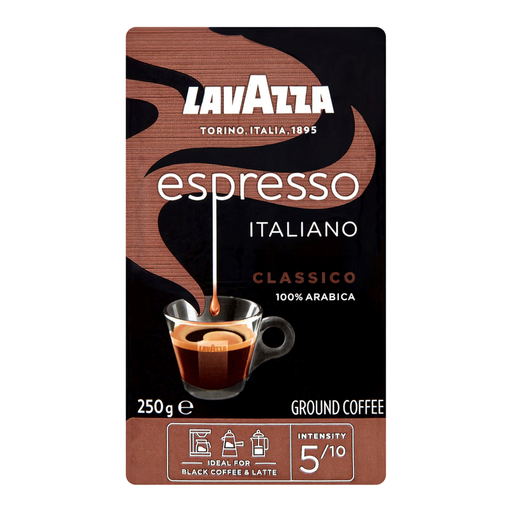
Why this product suits this profile: According to the product description, this ground 100% Arabica coffee is suitable for a moka pot or filter brewing and has an intensity rating of 5/10.
The recommended brewing methods are clearly specified, reducing the risk of choosing a grind that doesn’t suit your coffee maker.
100% Arabica according to the product details, ground and suitable for a moka pot or filter coffee.
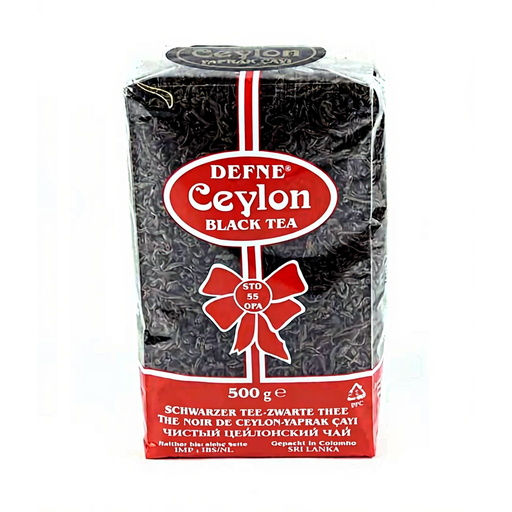
Why this product suits this profile: The 500 g pack is a good choice for households or offices where black tea, iced tea or tea for several people is prepared regularly.
The pack size is clearly stated, so you can check in advance whether you’ll use it up within the recommended storage period.
500 g pack, Ceylon black tea and versatile uses according to the product description.
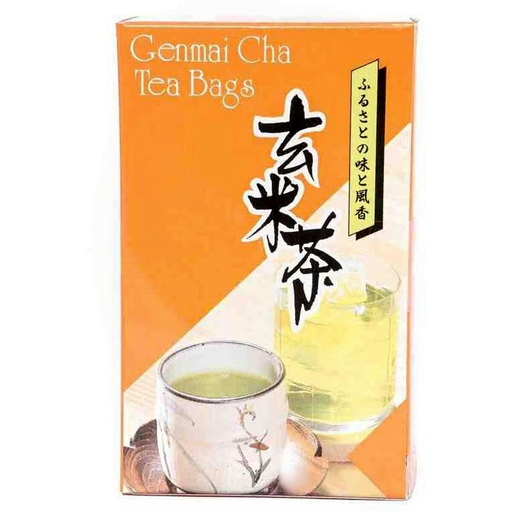
Why this product suits this profile: The blend of green tea and roasted rice makes this a clearly defined Japanese tea speciality, supplied in 20 individually wrapped tea bags.
The ingredients are clearly listed: green tea and roasted brown rice. This makes it easier to judge the flavour before you buy.
20 individually wrapped tea bags, made in Japan according to the product details, with a clearly stated recipe.
If you enjoy Turkish-style coffee, finely ground Turkish coffee from other brands is another option alongside Kurukahveci Mehmet Efendi. If you prefer flavoured drinks, try Earl Grey tea with bergamot, such as Caykur Tomurcuk Cayi Earl Grey Tea. For a caffeine-free option, try UJINOTSUYU Mugicha Teabag, a Japanese barley tea. Bear in mind that the barley contains gluten.
Herbal tea, rose tea and blends such as JiLiangMu Ginseng Five Treasure Tea or Red Bean Coix Seed Poria Tea are often classed as wellness teas. These labels describe a product category, but they don’t indicate any medical or therapeutic effects. The ingredients, brewing time and your personal tolerance remain the key considerations.
Instant coffee, soluble coffee sticks and individually portioned filter bags usually need no coffee grinder and only require hot water. For 3-in-1 products, take the sugar and milk ingredients into account. You can customise pure instant coffee by adding milk or sugar to taste.
This depends on the packaging, storage conditions and product type. Store coffee and tea in a dry, dark place in an airtight container. Single portions protect the contents until you’re ready to use them. Only choose a large pack if the quantity suits how much you’ll use.
There’s no one-size-fits-all answer. Loose-leaf tea can offer good value if you drink it regularly, but you’ll need to measure it out and use an infuser or teapot. Tea bags are already portioned and take less effort to prepare. It’s best to compare the price per 100 g and the preparation method you prefer.