
Lieferung heute & morgen

Qualitätsgarantie

Willkommens-Angebote freischalten: KOSTENLOSE Lieferung | Bis zu 80 % RABATT | Kostenlose 30-Tage-JoyPlus-Testphase
App herunterladen
If you’re looking to buy Chinese Baijiu, you’ll find a wide choice online, from robust grain spirits and fruit-flavoured varieties to gift bottles for special occasions. However, product descriptions aren’t always easy for newcomers to interpret: terms such as Sauce Aroma, Strong Aroma or ‘Premium Baijiu’ don’t automatically describe a particular taste or guarantee objectively higher quality.
This guide explains what to look for before you buy Baijiu online in the UK.
Baijiu often ranges from around 40% to over 50% ABV. However, a higher alcohol content alone says nothing about the aroma, production method or whether it’s right for you. Baijiu at 52% or 53% ABV may appeal to experienced drinkers, while newcomers might prefer a milder or fruit-flavoured variety.
The amount you pour matters: small ceramic or tasting glasses make it easier to sample Baijiu in moderation. Alcohol should always be consumed responsibly. It is only sold to people aged 18 and over.
Sauce Aroma Baijiu and Strong Aroma Baijiu are traditional styles, not universal quality labels. Sauce Aroma can bring to mind fermented grain, roasted notes and savoury umami flavours. Strong Aroma is often associated with more intense, fruitier and grain-forward flavours.
These terms can help you narrow down your options, but they don’t replace checking the ingredients, alcohol content, origin and serving suggestions.
An elaborately designed bottle or gift box can be a good choice for a present, celebration or business banquet. But it doesn’t tell you how the Baijiu itself will taste. Check these details first:
The security seal should remain intact, especially on collector’s items and gifts.
A classic, robust Baijiu at 45–53% ABV could be a good choice for a Chinese restaurant or business banquet. Smaller bottles or fruit-flavoured products with a lower alcohol content can offer a gentler introduction. One example is Jiangxiaobai Peach Flavored Baijiu, at 23% ABV in a 100 ml bottle. According to the product details, it contains sorghum as well as peach and apple juice concentrate.
Baijiu is traditionally served neat in small glasses. Fruit-flavoured varieties can be served chilled, over ice or mixed into a drink. They’re also a good option if you’re new to classic Chinese spirits.
Many traditional recipes use sorghum, rice, glutinous rice, wheat, maize or barley. If you need to avoid gluten, check the ingredients list and allergen information carefully. Several Baijiu products in this selection contain wheat or barley and are therefore labelled as containing gluten.
The term Chinese rice spirit isn’t always precise: Baijiu can be made from several types of grain and is a distilled drink. Shaoxing rice wine, on the other hand, is a fermented rice wine that typically has a lower alcohol content and belongs to a different product category.
Comparing bottles by size alone can be misleading. A 500 ml bottle at 52% ABV contains considerably more pure alcohol than a 500 ml bottle at 42% ABV. The alcohol strength shown on the label is therefore an important objective comparison point.
In spirits, most of the calories come from alcohol. The values shown can vary by product. Flavoured Baijiu may also contain sugar or fruit juice. For a fair comparison, check the nutritional information per 100 ml.
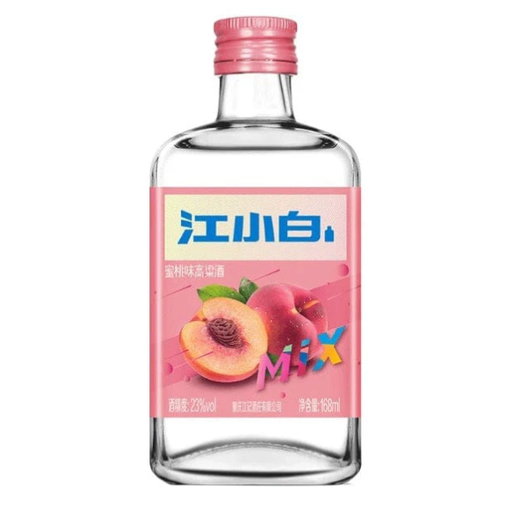
Why it suits this profile: The small 100 ml bottle and 23% ABV offer an easy way to try fruit-flavoured Baijiu.
The product details list the alcohol content, ingredients and fruit content, rather than relying on eye-catching packaging alone.
23% ABV, 100 ml, peach and apple concentrate; no allergens declared in the product details.
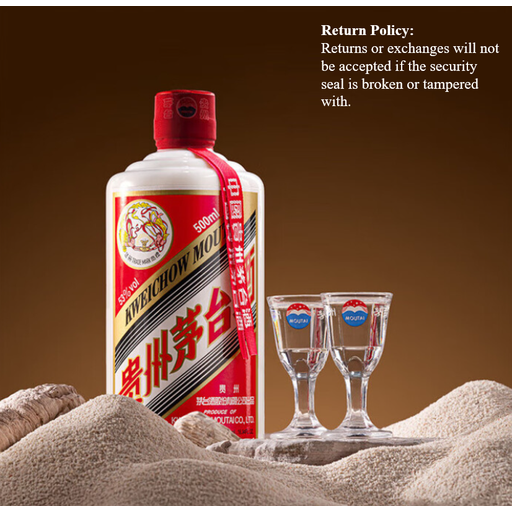
Why it suits this profile: The 500 ml bottle at 53% ABV comes with two wine glasses and is aimed at connoisseurs, collectors and those marking a formal occasion.
You can assess this choice by checking its origin, ingredients, alcohol content, bottle volume and security seal.
53% ABV, 500 ml, made with sorghum, wheat and water; two glasses included, according to the product details.
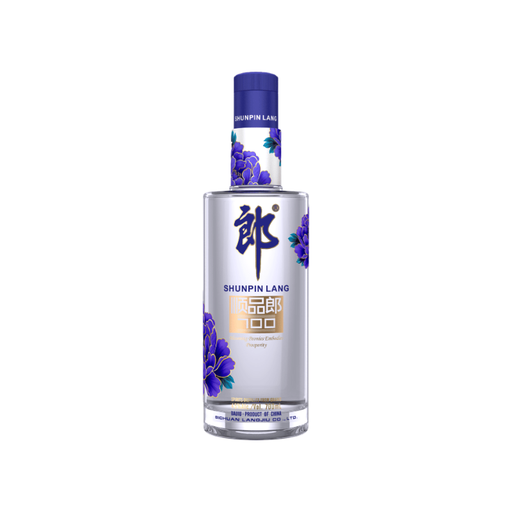
Why it suits this profile: The larger bottle and moderate alcohol content for Baijiu make it a good option for group tastings and food service.
The product description lists five grain types, 45% ABV and a clear serving suggestion, rather than making vague claims about quality.
700 ml, 45% ABV, made with sorghum, rice, glutinous rice, wheat and maize; stated to contain gluten.
Classic Baijiu is usually served at room temperature in small glasses. Sampling small amounts can help you tell Sauce Aroma and Strong Aroma styles apart. Flavoured products can be served chilled or over ice.
Store unopened bottles upright in a dry place, away from direct sunlight. Keep them away from strong odours. Once opened, keep the bottle tightly sealed in a cool place. For products containing fruit juice or other additions, follow the label’s guidance on how long they keep after opening.
We’ve put together a complete, regularly updated list of products that meet these strict selection criteria and fully comply with the safety regulations in force in the EU.
Baijiu is a distilled grain spirit and often has an alcohol content of 40% to over 50% ABV. Chinese rice wine, such as Shaoxing rice wine, is fermented and usually has a considerably lower alcohol content. The two drinks therefore differ in how they’re made, their aroma and how they’re served.
It depends on your personal taste and the occasion. Fruit-flavoured varieties at 12–23% ABV can offer a gentler introduction. Classic products at 42–53% ABV are usually sampled neat in small amounts. Always take the alcohol content into account alongside the serving size.
The exact shelf life depends on the product, its closure and the manufacturer’s guidance. After opening, classic Baijiu should be tightly sealed and kept away from heat, light and strong odours. For flavoured products, it’s especially important to follow the instructions on the label.