
Lieferung heute & morgen

Qualitätsgarantie

Willkommens-Angebote freischalten: KOSTENLOSE Lieferung | Bis zu 80 % RABATT | Kostenlose 30-Tage-JoyPlus-Testphase
App herunterladen
If you’re looking to buy Japanese sake, you’ll find a wide range of names, bottle sizes and flavour profiles online. For beginners, it’s not always immediately clear whether a product is dry, fruity, creamy or best served warm. Terms such as ‘premium sake’ or ‘Japanese rice wine’ also tell you little on their own about whether you’ll enjoy the taste.
This buying guide will help you avoid common misbuys and choose a sake from Japan to suit the occasion, the food and your drinking habits.
The rice polishing ratio is often highlighted for Ginjo and Daiginjo sake. A lower proportion of the rice grain remaining after polishing can be associated with more delicate aromas, but it doesn’t determine the flavour on its own. Water, rice variety, brewing method, alcohol content and storage all influence the result.
For example, a Junmai Daiginjo such as DASSAI 23 is described as having a polishing ratio of 23%. This is an objective production detail, but it doesn’t guarantee that everyone will enjoy the taste.
Junmai Sake, Junmai Ginjo, Junmai Daiginjo, Nigori Sake and Sparkling Sake are quite different. A clear, dry sake will suit different tastes from a cloudy Nigori with rice sediment or a lightly sparkling sake.
If you buy based on the brand name alone, you may overlook the alcohol content, texture and serving temperature.
A 720 ml bottle of sake is suitable for a meal with several people or if you plan to finish it soon after opening. For a tasting or a single evening, 300 ml or 375 ml bottles, or smaller formats, may be more practical. Once opened, sake should generally be sealed tightly, kept chilled and consumed as soon as possible.
The products in this selection range from around 5% to 16% Vol., depending on the style. Check the alcohol content before buying, along with the recommended way to serve it. Light, aromatic styles are often enjoyed chilled, while some Junmai styles can also be served at room temperature or gently warmed.
Both clear, dry sakes and aromatic Ginjo styles can work well with sushi. The key is to choose a sake that won’t overpower the food. More delicate profiles often suit mild fish and light starters, while a fuller-bodied Junmai Sake can accompany richer, umami-packed dishes.
Check the following:
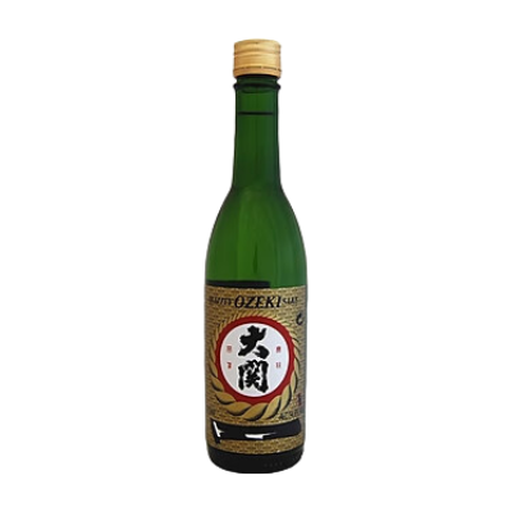
Why this product suits you: The mid-sized bottle is manageable and makes a good introduction to classic Junmai Sake. The product information gives an alcohol content of 14.5% Vol.
The clear Junmai Sake designation makes it easier to understand the style, without relying solely on promotional quality claims.
375 ml, a classic flavour profile, and described as slightly dry and versatile with food.
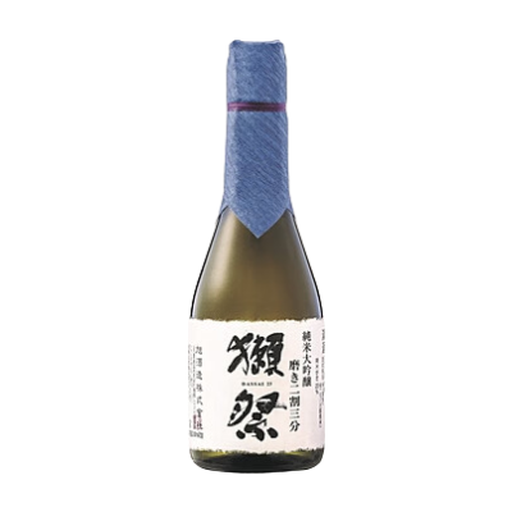
Why this product suits you: The small bottle is ideal for a special occasion or a focused tasting. It is listed as 15% Vol. with a rice polishing ratio of 23%.
You can make your choice based on specific details about the style, alcohol content, bottle size and polishing ratio.
Junmai Daiginjo category, 300 ml bottle and, according to the product information, a clean, fruity aroma profile.
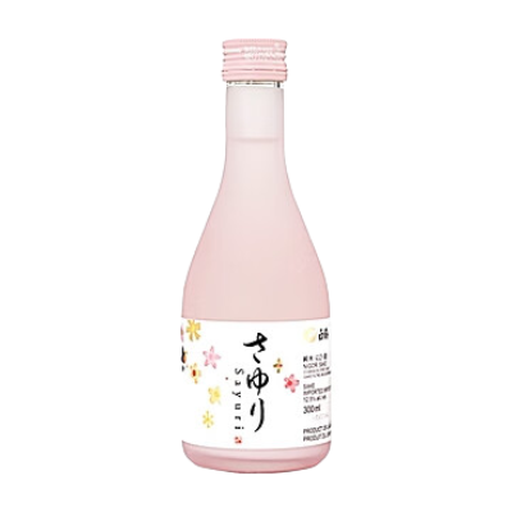
Why this product suits you: This cloudy Nigori style is for buyers looking for a softer texture and a slightly sweet profile. It is listed as 12.5% Vol.
The product is clearly described as Nigori, so you can take its natural rice sediment into account before buying.
300 ml, a creamier texture from fine rice particles, and a recommendation to swirl gently before serving.
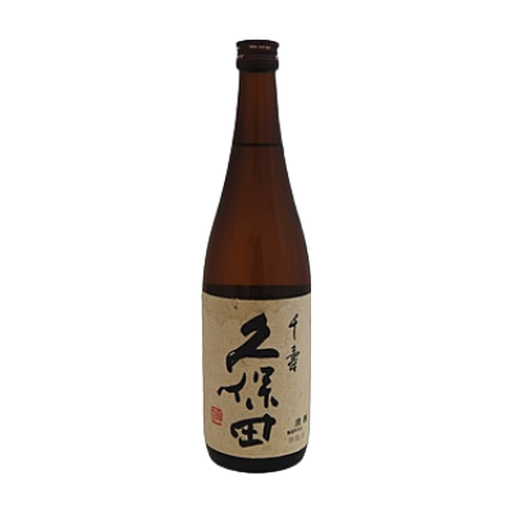
Why this product suits you: The 720 ml bottle is well suited to sharing over a meal. According to the product description, this Ginjo Sake has a fruity aroma, a light palate and a clean finish.
The bottle size and alcohol content of 15% Vol. are clearly stated before purchase, making it easier to plan how much you need.
Ginjo category, 720 ml bottle and, according to the product information, a smooth, easy-drinking finish.
We’ve put together a comprehensive, regularly updated list of products that fully meet these strict selection criteria and the safety regulations in force in the EU.
Keep the bottle tightly sealed and store it in a cool place. For many products, refrigeration is a good idea once opened. As the flavour and freshness can change, opened sake should be consumed as soon as possible. Always follow the specific instructions on the label and product page.
A clear Junmai Sake or a light Junmai Ginjo with a moderate alcohol content can be a good introduction. If you prefer smaller quantities, try a 180 ml or 300 ml bottle. Nigori Sake is another option if you’re after a softer, slightly sweet profile.
The price depends on factors including the rice variety, polishing ratio, brewing method, origin, brand and bottle size. A smaller bottle from a higher-grade category may therefore cost more per millilitre than a classic sake in a 720 ml bottle. So compare more than just the overall price: check the volume, alcohol content and specific product features too.