
Lieferung heute & morgen

Qualitätsgarantie

Willkommens-Angebote freischalten: KOSTENLOSE Lieferung | Bis zu 80 % RABATT | Kostenlose 30-Tage-JoyPlus-Testphase
App herunterladen
In our fast-paced lives, the convenience of a quick, hot meal is often essential. Asian instant meals offer a diverse and flavourful solution. However, the expanding market can make choosing the right one feel overwhelming. Not every product that promises an authentic or healthy experience can deliver. Before you buy ready-made meals online, you should be aware of the common pitfalls to make an informed decision.
A widespread issue is misleading health claims. Packaging with terms like "natural" or "with vegetables" can mask the fact that the product contains high levels of sodium, sugar, or saturated fats. Another point of concern is the lack of transparency regarding ingredients and preparation. What looks like a hearty meal on the box can turn out to be a small portion with sparse toppings, which may also require more effort to prepare than expected.
To avoid disappointment and find the right product for your needs, it's essential to look at a few key parameters. These objective criteria will help you evaluate the quality and suitability of an instant meal beyond the marketing hype.
The nutrition label is the key to assessing whether a meal fits your lifestyle. Pay close attention to the following values per 100g or per serving:
An interesting alternative to traditional wheat or rice noodles are Konjac noodles (also known as Shirataki noodles). They are made from the flour of the konjac root and are virtually free of calories, carbohydrates, and fat, making them a suitable option for various dietary plans.
The diversity of Asian instant meals is reflected in the different types of noodles and soups. The choice depends on personal preference and dietary requirements:
Not every "instant" meal is prepared with the same speed. Check the instructions: does the product only need hot water, or is a microwave required? For the office or on the go, meals that only require adding boiling water are often the more practical choice. Preparation time can vary from three to eight minutes, which is also relevant for a quick meal.
Based on these objective criteria, we have compiled a selection of products for different user profiles.
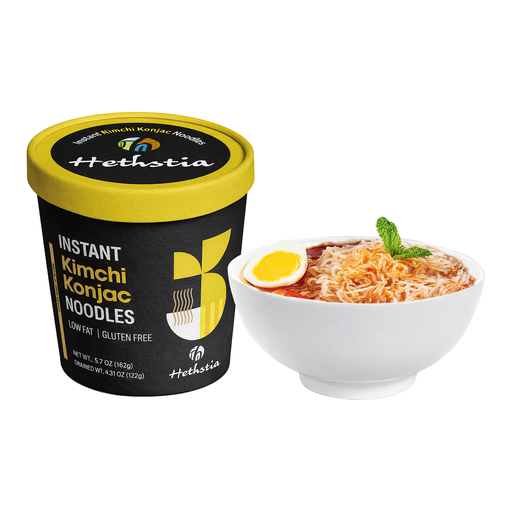
Why It's a Match: Ideal for those looking for a low-calorie and low-carb meal. The konjac noodles provide a filling base for a Keto or Low-Carb diet without sacrificing the spicy flavour of a kimchi soup.
This product sidesteps the pitfall of misleading "health claims." The nutrition facts confirm its low calorie count of 34 kcal per serving and low carbohydrate content of 6.3 g.
The base of Konjac noodles is naturally fat-free, sugar-free, and low in calories. Preparation is flexible, possible with either a microwave or boiling water.
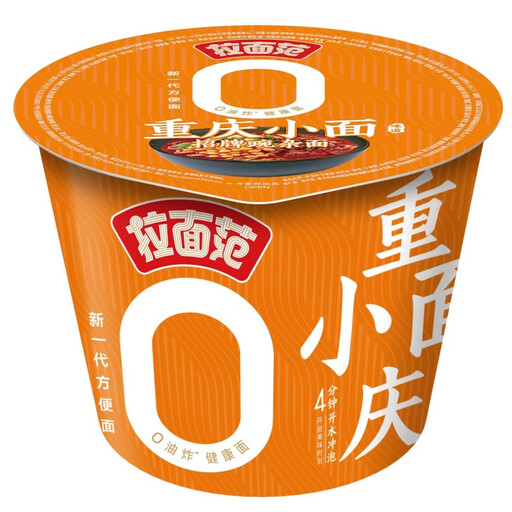
Why It's a Match: For anyone seeking an intense and complex flavour experience. This dish combines the typical heat and aroma of Sichuan pepper with soft peas and soybeans for an authentic taste.
This product avoids the disappointment of a bland taste. Four separate packets (sauce, peas, powder, vegetables) create a complex aroma that goes far beyond that of a simple bouillon cube.
The non-fried noodles offer a pleasant, firm texture. The combination of spicy chili sauce, peas, and various spices ensures a rich flavour experience.
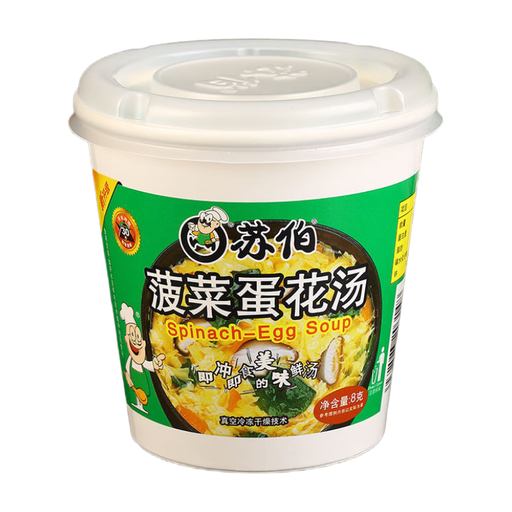
Why It's a Match: Perfect for a very quick and light warm meal at the office or as a snack between meals. Without noodles, this soup is a straightforward and comforting option that's ready in moments.
This product avoids the pitfall of complicated preparation. The instructions are incredibly simple: add the powder to the cup, pour in hot water, stir – and it's ready. No microwave, no long waiting time.
The extremely quick preparation makes this soup one of the most convenient options for the workplace. The small, lightweight packaging is easy to store and transport.
We've compiled a complete, up-to-date list of products that meet these strict selection criteria. Discover more flavours and varieties.
Konjac noodles are an interesting option for a calorie- and carbohydrate-reduced diet. They consist mainly of water and the dietary fibre glucomannan, which is why they are very low in calories. However, it's important to know that apart from fibre, they provide few other nutrients like vitamins or proteins. They are therefore well-suited as a filling component in an otherwise balanced meal but should not be considered a sole source of nutrition.
The sodium content is listed in the nutrition table under the term "Sodium". The value is usually given in milligrams (mg) per 100 g or per serving. To determine the salt content, you can multiply the sodium value by 2.5. A high value, for example over 800 mg of sodium per serving, indicates a very high-sodium product.
Yes, most instant noodles and Asian soups in a cup are designed to be prepared with only boiling water. This makes them particularly convenient for the office, university, or while travelling. However, always read the preparation instructions on the packaging, as some products, especially those with thicker noodles or specific ingredients, might recommend microwave preparation for an optimal result.