
Lieferung heute & morgen

Qualitätsgarantie

Willkommens-Angebote freischalten: KOSTENLOSE Lieferung | Bis zu 80 % RABATT | Kostenlose 30-Tage-JoyPlus-Testphase
App herunterladen
If you want to buy Asian tea, you will find a wide range online. Chinese tea, Korean tea, Japanese tea, herbal blends, instant tea and ready-to-drink beverages can differ significantly in their ingredients, caffeine content, sweetness and preparation method. Attractive packaging, however, reveals little about a product’s actual properties.
Many products are sold as tea beverages but contain no tea leaves. An Asian herbal tea made with chrysanthemum flowers, ginger, jujube or black soya beans may naturally be caffeine-free. Green tea, jasmine tea and Pu-Erh tea, on the other hand, should generally be expected to contain caffeine unless the product is specifically labelled otherwise.
If you are looking for a caffeine-free drink in the evening, you should therefore check the ingredients list. The term caffeine-free herbal tea is only meaningful if this is clearly supported by the product’s composition.
Instant teas dissolve quickly and are practical for the office, travelling or keeping in stock at home. However, they often contain more than just tea or herbal extracts. Sugar, fructose, glucose or maltodextrin may also be included.
For example, Goldkili Natural Ginger Drink lists sugar, 20% ginger powder, glucose and maltodextrin. According to the product information, Instant Ginger Turmeric Drink 10x16g also contains cane sugar, as well as 10% each of ginger and turmeric extract. These products are therefore designed to taste sweet and should not be confused with an unsweetened infusion.
Terms such as ginseng tea, jujube tea or “Cooling Herbal Tea” refer to a traditional product category, but do not prove any medical or therapeutic effect. For an informed purchasing decision, ingredients, net quantity, allergens, nutritional values, origin and storage instructions are more important than marketing claims.
The ingredients list should be checked as early as possible in the buying process. A classic herbal infusion such as chrysanthemum, ginger or honeysuckle tea may have a relatively simple recipe. Other products contain sugar, sweeteners, acidity regulators, thickeners or flavourings.
Examples:
Green tea with jasmine flowers, classic Japanese green tea and Pu-Erh tea are generally products made from genuine tea leaves. Caffeine content can vary depending on the variety, quantity of leaves and steeping time. Herbs, fruit, jujube and roasted pulses are not expected to provide natural caffeine from tea leaves.
Buyers should also distinguish between three types:
Preparation instructions affect both flavour and effort. For 72g Sweet Wheat and Jujube Tea, the instructions specify 200 to 250 ml of boiling water and a steeping time of 5 to 10 minutes. JiLiangMu Ginseng Five Treasure Tea should be steeped for three to five minutes in water heated to 85 to 100 °C and, according to the product information, can be infused several times.
Instant drinks such as Goldkili Natural Ginger Drink, on the other hand, simply need to be stirred into hot water. Products supplied in jars often need to be refrigerated after opening. Ready-to-drink cans and bottles should be consumed immediately after opening. Before buying, it is also worth checking the net quantity, number of servings and best-before date.
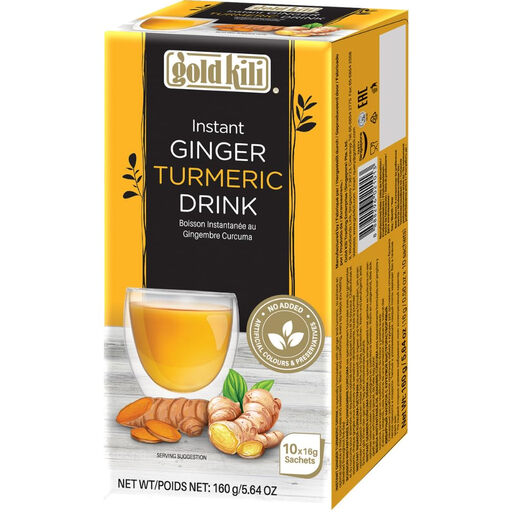
Why this product suits the profile: Ten individually portioned sachets make preparation easy at home, in the office or while travelling. The flavour combines ginger and turmeric with a mildly sweet, slightly tangy note.
The ingredients and quantities clearly show that this is a sweetened instant drink rather than a pure herbal infusion.
16 g single serving; lactose-free according to the product information; prepared by dissolving in hot water.
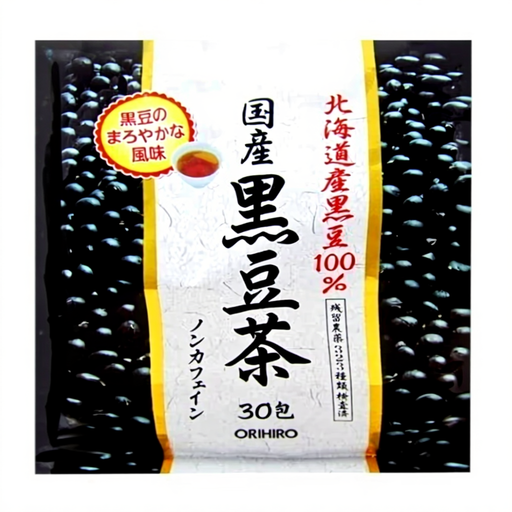
Why this product suits the profile: The ingredients list names only roasted black soya beans. This creates a clearly defined, nutty flavour profile without traditional tea leaves.
The “100%” label describes the ingredient used and distinguishes the product from blends containing flavourings or sugar.
Caffeine-free herbal tea according to the product description; 180 g bag; prepared with one to two tablespoons and a steeping time of three to five minutes.
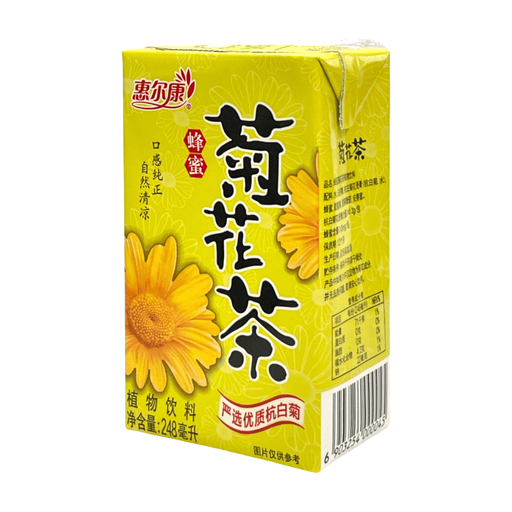
Why this product suits the profile: As a ready-to-drink herbal tea, this beverage is ideal for drinking on the go, with lunch or whenever you do not have access to a kettle.
The serving size is clearly stated as 248 ml. The information that it contains 8 kcal per 100 ml and sweeteners makes it easier to assess.
Ready to drink at room temperature or chilled; chrysanthemum concentrate and extract according to the ingredients list; natural sediment may occur.
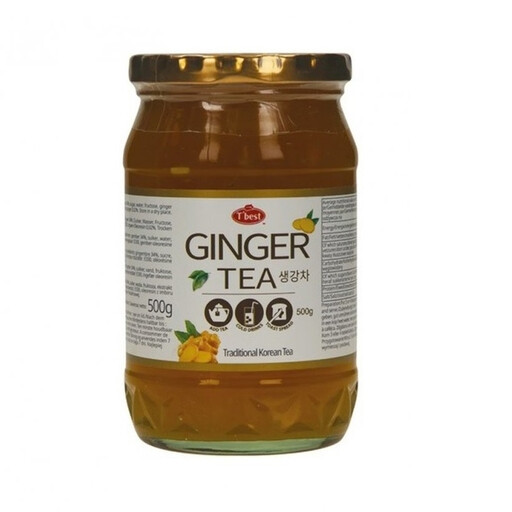
Why this product suits the profile: The 500 g jar is designed for households that prepare ginger tea regularly and prefer a larger pack for keeping in stock.
The ginger content is stated as 34%. At the same time, 53 g of sugar per 100 g shows that sweetness should be taken into account when choosing the product.
Large 500 g jar; ginger flavour with concentrate and oleoresin; according to the product information, refrigerate after opening and consume within seven days.
We have put together a complete, regularly updated list of products that fully meet these strict selection criteria and the safety regulations applicable in the EU.
For lovers of floral flavours, jasmine tea and chrysanthemum tea are worth considering. Jasmine tea is often based on green tea and may therefore contain caffeine. Chrysanthemum drinks, on the other hand, are often sold as herbal beverages without traditional tea leaves.
Anyone looking for Korean specialities can choose between instant ginger tea, Ssanghwa tea and ginseng tea. Mcnulty Stevia Zero Sugar Ssanghwa Tea is sweetened with stevia, while the lactose information is important for Koryeo Korean Ginseng Tea. Chinese tea culture includes varieties such as Pu-Erh tea, fruit and chrysanthemum Pu-Erh blends, and ready-to-drink herbal beverages such as JDB or Wang Lao Ji.
Aloe vera tea is often a sweet beverage containing aloe vera and should not be confused with an unsweetened leaf tea. TBest Drinks Aloe Vera Tea lists 50% aloe vera, as well as sugar and fructose. If you are looking for a low-sugar option, you should therefore compare the nutritional table per 100 ml or 100 g.
Caffeine-free options are usually herbal and fruit teas without Camellia sinensis leaves. These include Kuromame tea made from roasted black soya beans, jujube tea, and certain ginger and chrysanthemum infusions. The specific labelling of each product should be checked before purchase.
Mix the powder or granules with hot water according to the instructions on the packaging. For Goldkili Natural Ginger Drink, around two to three teaspoons mixed with a cup of hot water are recommended. The quantity used can significantly change the flavour and sweetness.
Unopened products should be stored in a dry, cool place away from direct sunlight. The best-before date is shown on the packaging. Once opened, storage requirements vary depending on the product: jars containing fruit or ginger are often best kept in the fridge, while dry tea bags should be stored in an airtight, dry place.