
Lieferung heute & morgen

Qualitätsgarantie

Willkommens-Angebote freischalten: KOSTENLOSE Lieferung | Bis zu 80 % RABATT | Kostenlose 30-Tage-JoyPlus-Testphase
App herunterladen
BBQ seasonings and sauces are designed to add flavour to meat, poultry, vegetables or tofu. The choice ranges from dry grilling seasonings and BBQ rubs to ready-made barbecue sauces and international marinades. However, the name on the packaging alone won’t tell you whether a product suits your grilling style.
Three common pitfalls can lead to disappointing purchases:
It’s worth sorting products by how you plan to cook before you buy:
Ingredients are listed in descending order by weight. If sugar, syrup or salt appears near the top of the list, it will have a noticeable effect on the flavour. Robs Spicy BBQ Rub, for example, lists brown sugar and sea salt among its ingredients, with a stated salt content of 11.3 g per 100 g. This suggests a fairly bold seasoning, so it’s best to use it sparingly.
Sugar content is also worth checking in a ready-made sauce. According to the product information, HP Honey Woodsmoke Barbecue Sauce contains honey, tomato purée, vinegar and sugar. It lists 38 g of sugar and 1.8 g of salt per 100 g. You can use it as a sauce, dip or mild marinade. If you’re grilling directly, apply it during the final stage of cooking.
Terms such as ‘spicy’, ‘smoky’ and ‘authentic’ aren’t standard quality grades. The ingredients give you a clearer idea of what to expect:
According to its product description, Kotányi Smoked Paprika Powder is made from ground, dried peppers. It’s a versatile addition to meat, potatoes, corn or vegetables when you want a smoky flavour without using a ready-made sauce.
Check allergens carefully in international BBQ products. DAISHO Yakiniku Ichiban Garlic BBQ Sauce contains soya beans, wheat and sesame. Beksul BBQ Marinade for Pork, from Korea, also lists soya and wheat, and may contain traces of fish, peanuts, milk, celery, mustard and sesame.
Once opened, follow the instructions on the label. Several ready-made sauces need to be refrigerated. Dry grilling seasonings, on the other hand, are usually best stored in a cool, dry place, away from light and in a tightly sealed container. Smaller packs are often easier to manage at home. Food service businesses and caterers may benefit from larger packs if they use them regularly, but should take their actual usage into account.
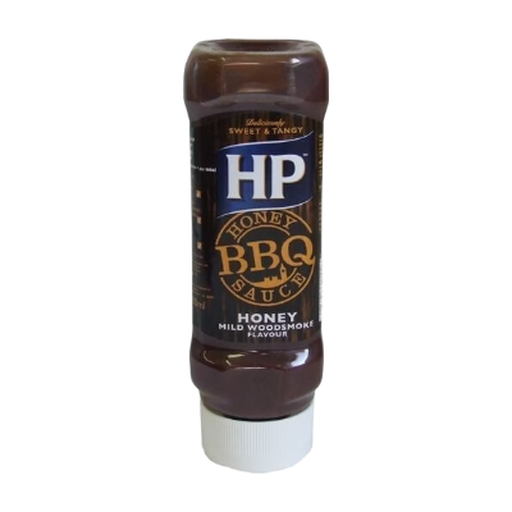
Why it suits this type of user: This ready-to-use sauce can be served as a dip, used as a marinade or enjoyed with grilled dishes, without adding any other ingredients.
The product information lists specific ingredients and nutritional values. This makes it easier to judge its sweet, smoky character instead of relying on the product name alone.
465 g bottle; according to the product information, it contains no artificial colours or preservatives and is suitable for vegetarians.
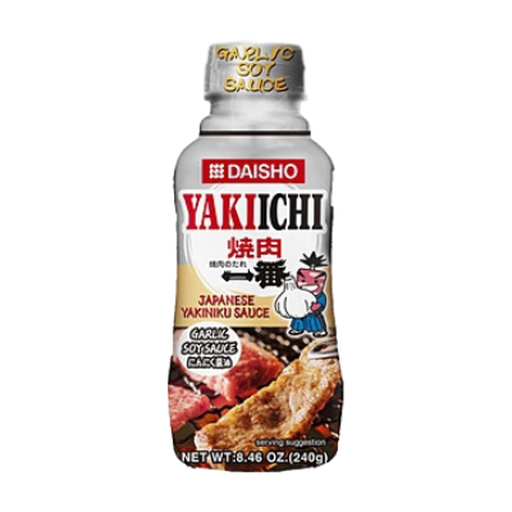
Why it suits this type of user: According to the ingredients list, the sauce combines soy sauce, miso, apple, garlic, sesame oil and toasted sesame for a distinctive Japanese Yakiniku flavour.
The ingredients give you a clear idea of the flavour. Allergens such as wheat, soya and sesame are clearly listed.
Can be used as a barbecue sauce, dip or cooking seasoning; according to the product information, refrigerate after opening.
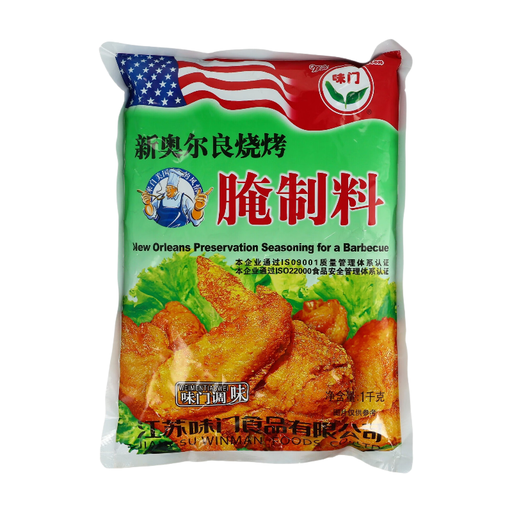
Why it suits this type of user: The 1 kg pack is designed for frequent barbecues, food service and catering. It can be used with meat, poultry and vegetables.
The suggested quantities—30–50 g per 500 g of meat or around 20 g per 500 g of vegetables—give you a practical guide.
Dry bulk pack; according to the product information, it’s suitable for marinating, use as a dry rub, grilling, baking and roasting.
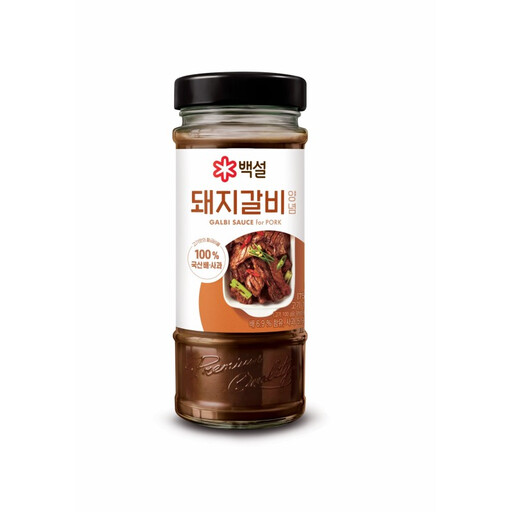
Why it suits this type of user: This ready-to-use Korean BBQ marinade is made for pork and contains soy sauce, pear and apple purée, garlic, onion and ginger, among other ingredients.
The recommended marinating time—at least 30 minutes, or several hours if possible—helps you avoid guesswork over how long to leave it. Soya and wheat are listed as allergens.
500 g bottle; intended for marinating, grilling, frying or use as a cooking and basting sauce.
We’ve put together a complete, regularly updated list of products that meet these strict selection criteria and fully comply with the safety regulations in force in the EU.
Smoked paprika, garlic, onion, pepper and herbs all work well with vegetables. You can mix dry blends with a little oil, then spread them over peppers, courgettes, corn or potatoes. If a product is high in salt, start with a small amount.
It depends on the product and the type of meat. For the Beksul marinade, the recommended time is at least 30 minutes, preferably several hours. Follow the specific instructions from the manufacturer. Keep food in the fridge during longer marinating times.
Store ready-made sauces according to the instructions on the label after opening. DAISHO Yakiniku Sauce should be refrigerated and used promptly. Dry grilling seasonings usually keep well when stored in a dry, dark place in an airtight container. Before use, check the best-before date and look for any changes in smell, colour or consistency.