
Lieferung heute & morgen

Qualitätsgarantie

Willkommens-Angebote freischalten: KOSTENLOSE Lieferung | Bis zu 80 % RABATT | Kostenlose 30-Tage-JoyPlus-Testphase
App herunterladen
A steaming hot pot is the centrepiece of any social dining experience. But the success of the meal hinges on the quality and the right selection of the meat. Anyone who has tried to buy the right beef for hot pot knows the challenges: unsuitable slice thickness, unclear quality claims, or meat that turns tough in the pot. This guide will help you avoid the most common pitfalls and choose the right product for your culinary plans.
Many well-intentioned purchases end in disappointment. This is often due to two common problems that are easy to avoid.
To ensure your beef is tender and flavourful in the hot pot, you should focus on three objective parameters. These criteria are more important than any marketing message.
Not every cut of beef is suitable for hot pot. The marbling—the fine threads of fat within the muscle tissue—is crucial.
The thickness of the meat slices is central to the success of hot pot, shabu-shabu, and Korean BBQ.
Pre-sliced, frozen beef slices often offer a more reliable and uniform thickness than a manual cut at the counter.
The fine white veins of fat in the meat are not a flaw, but a mark of quality. This intramuscular fat is the key to a tender and aromatic result. In high-quality meat like Wagyu for hot pot, this marbling is particularly pronounced and creates an unparalleled, melt-in-your-mouth texture. When buying, look for an even distribution of these fine fat lines.
Here are some product recommendations tailored to different needs and use cases.
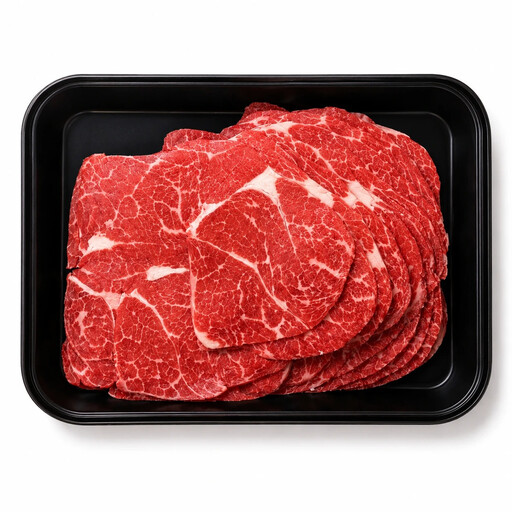
Why This Fits Their Persona: Ideal for those who want an authentic hot pot experience without the high cost. Beef chuck is a flavourful cut that offers great value for money.
The product name clearly states the cut (Neck) and the exact thickness (2mm). This prevents buying unsuitable meat with vague specifications.
Evenly sliced for consistent cooking results. Versatile for both hot pot and sukiyaki.
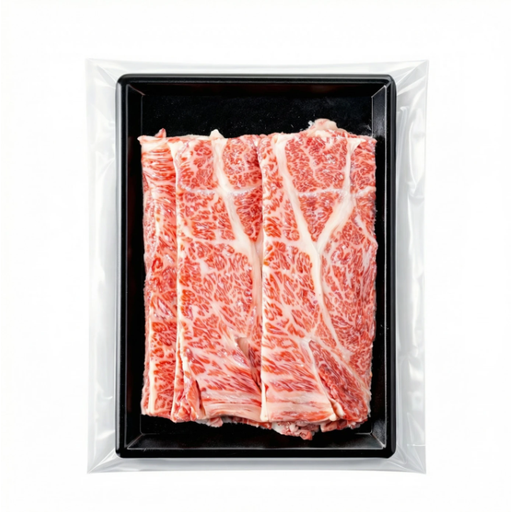
Why This Fits Their Persona: For connoisseurs seeking an exceptional taste experience and willing to invest in the highest quality. Perfect for special occasions.
The designation Japan Wagyu A5 is a precise and internationally recognised quality grade. There is no ambiguity about the origin and exceptional marbling of the meat.
Highest marbling grade for extreme tenderness and a rich, buttery flavour. Specially cut for shabu-shabu.
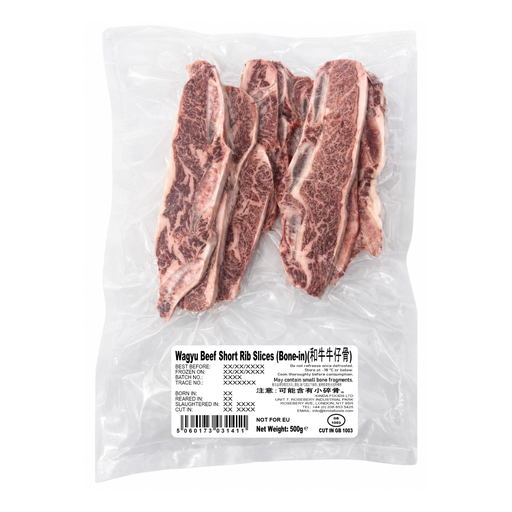
Why This Fits Their Persona: Perfect for fans of meat for Korean BBQ. The thicker cut and bone-in portion provide intense flavour and a great texture when grilled.
The description "Thick cut Wagyu short ribs" clearly manages expectations: this product is designed for grilling, not for split-second cooking in a hot pot. This prevents a misguided purchase.
Rich beef flavour and excellent caramelisation on the grill. The Wagyu quality ensures juiciness and tenderness.
We've compiled a complete, up-to-date list of products that fully meet these strict selection criteria and current regulations.
Generally, no. For very thinly sliced frozen beef slices, it is actually better to add them directly to the boiling broth while still frozen. This helps them maintain their shape and cook evenly in seconds. For thicker slices, like those used for Korean BBQ, a brief thaw in the refrigerator can be beneficial. Always follow the instructions on the product packaging.
Good marbling is visible as fine, evenly distributed white veins of fat within the red muscle tissue. It should look like a delicate web, not large, isolated clumps of fat. This fat melts during cooking, making the meat tender and providing a rich flavour.
Yes, in most cases, this is perfectly fine. Both cooking methods are based on the principle of briefly cooking very thin slices of meat in hot broth. High-quality, thinly sliced beef from the rib-eye or chuck works excellently for both. The main differences usually lie in the composition of the broth and the accompanying dips, rather than the meat itself.