
Lieferung heute & morgen

Qualitätsgarantie

Willkommens-Angebote freischalten: KOSTENLOSE Lieferung | Bis zu 80 % RABATT | Kostenlose 30-Tage-JoyPlus-Testphase
App herunterladen
A cereal cup to go is a specialised container designed for transporting multi-component meals like yogurt with granola, overnight oats, or salads. The primary function of these cups is to keep liquid and solid ingredients separate and leak-proof until it's time to eat. The choice of a suitable model depends on specific requirements for material, capacity, and functionality. This article analyses the technical criteria relevant to choosing a yogurt cup to go or a lunch pot.
The functionality of a breakfast cup to go is determined by several technical parameters. An informed purchasing decision is based on weighing these features against the intended use.
The choice of material directly impacts safety, durability, and user convenience.
The ability to transport liquids securely is a critical criterion. Designing a leak-proof smoothie cup requires precisely engineered closures.
The cup's volume and compartmentalisation should suit your individual needs.
Features like dishwasher and microwave suitability simplify daily handling and support meal prep routines.
Based on the technical criteria mentioned above, we have selected products that stand out for their specific design features and functionality.
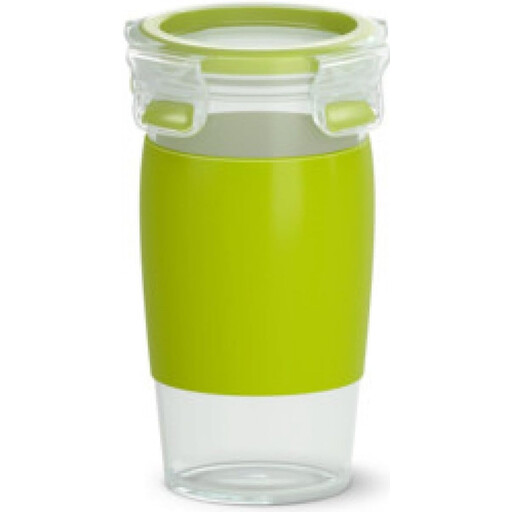
Why We Recommend This Product The Tefal Ice Cup is engineered for maximum leak-proof performance with liquid and semi-liquid contents. The Masterseal closure system, featuring an additional clip mechanism, creates a hermetic seal that allows for the risk-free transport of smoothies, yogurt, or soups. Its manufacturing in Germany and the use of BPA-free plastic underscore a focus on material quality and safety.
Pros
Who it's for This model is ideal for individuals who primarily transport liquid or very creamy meals like smoothies, shakes, or thin yogurt and place the highest priority on it being leak-proof. It is a single-compartment system and therefore not suitable for keeping cereal separate.
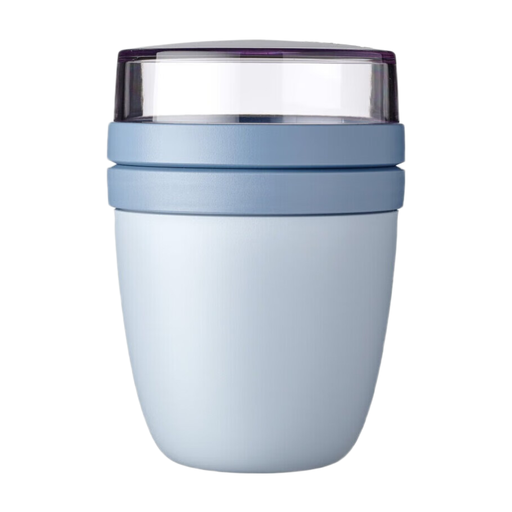
Why We Recommend This Product The Mepal Lunchpot Mini is a classic meal prep cup featuring a well-designed dual-compartment system. It allows for the strict separation of dry and wet ingredients. The lower container holds 300 ml, while the upper transparent lid container holds 120 ml (approx. 50 g of cereal). Both parts are connected by a common screw-on lid that also serves as the lid for the lower container. This design preserves the crunchiness of cereal or croutons until consumption.
Pros
Who it's for This lunch pot is the optimal solution for users who want to transport classic cereal-yogurt combinations, salads with dressing, or soups with croutons. Its compact size makes it a practical companion for the office, university, or as a snack container for school.
The models presented cover specific use cases. Should you require a different capacity, an alternative design, or additional features, a wide spectrum of alternatives exists. You can find a broader selection of on-the-go containers in our Snack Bowls category.
1. What defines a good cereal cup to go? A good cereal cup to go combines several technical features: It is leak-proof thanks to a reliable screw-on or clip closure with a silicone gasket. It is made from food-safe, BPA-free material. Ideally, it features a dual-compartment system for separating ingredients and is dishwasher-safe and microwave-safe for easy handling.
2. Are all yogurt cups to go leak-proof? No, not all models on the market offer the same level of sealing. Leak-proof performance depends on the quality of the closure system and the gasket. Products explicitly advertised as "100% leak-proof," like the Tefal cup with its Masterseal system, have been specifically engineered for transporting liquids. Simpler screw-on lids without a high-quality gasket pose a higher risk of leakage.
3. Can I transport hot food in a breakfast cup to go? Yes, provided the cup is marked as microwave-safe, it can generally be used to transport warm foods like porridge or soup. However, it's important to note that most of these cups are not insulated, so they will not keep food hot for an extended period. Additionally, the cup should not be filled to the brim, and the lid should not be sealed too tightly during transport to avoid pressure build-up from the heat. Always read the manufacturer's instructions.