
Lieferung heute & morgen

Qualitätsgarantie

Willkommens-Angebote freischalten: KOSTENLOSE Lieferung | Bis zu 80 % RABATT | Kostenlose 30-Tage-JoyPlus-Testphase
App herunterladen
Choosing the right planter goes far beyond mere aesthetics. An unsuitable pot can not only inhibit your plant's growth but also become unsightly or even break after a short time. Many buyers are swayed by marketing promises that prove to be unfounded in practice. Before you make a decision, it's important to know the most common pitfalls.
Common Pitfalls When Buying Planters:
To avoid a poor purchase, you should focus on objective and verifiable criteria. The following three aspects are crucial for the longevity and functionality of your planter.
The material determines not only the design but also the planter's placement and lifespan.
Your plant's health depends directly on the pot's functionality.
The right size is crucial for the plant's well-being. A pot that is too small restricts root growth, while an oversized pot can cause the soil to stay wet for too long. As a rule of thumb, the new pot should be about 2 to 5 centimetres larger in diameter than the plant's root ball. For arrangements of multiple plants, such as in a planter set, more space should be planned accordingly.
Here are some recommendations tailored to specific use cases and requirements.
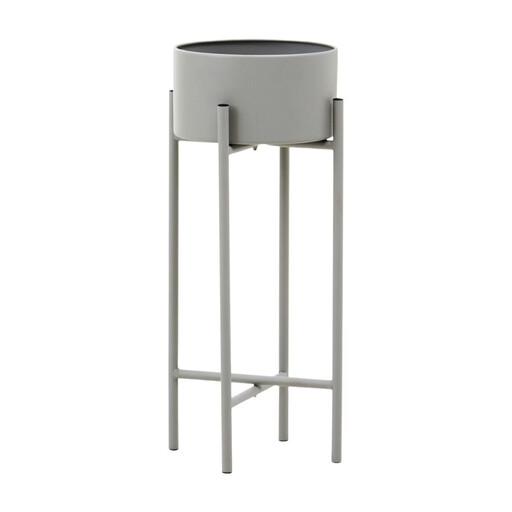
Why it's a great fit: The simple, modern design with its sleek metal stand fits seamlessly into contemporary interiors, stylishly showcasing plants without dominating the space.
The iron construction with crossed legs provides a solid base, avoiding the pitfall of unstable stands that are often a problem with cheaper models.
The planter with a stand elevates the plant to eye level, creating a decorative accent without taking up valuable floor space.
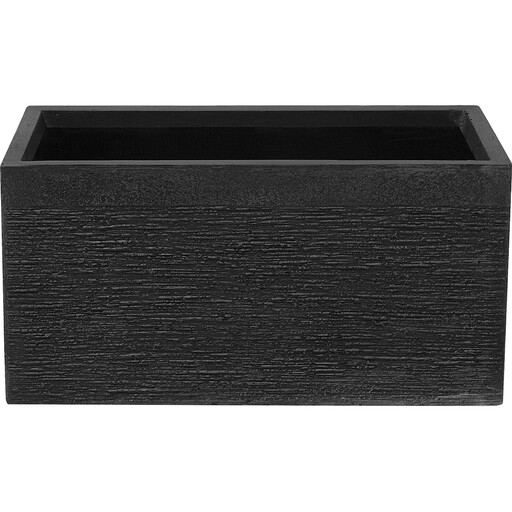
Why it's a great fit: Its elongated shape is ideal as a room divider on a balcony or as a planted privacy screen on a patio. A functional yet modern outdoor planter.
According to the manufacturer, the clay-fibre composite material is UV and weather-resistant. It bypasses the pitfall of fading or brittle plastic. Additionally, drainage holes are already included.
The robust and weather-resistant construction allows for year-round outdoor use. The rectangular shape is practical for defining spaces.

Why it's a great fit: Ideal for anyone without a green thumb or for locations with low light, such as offices or dark hallways. It provides lasting greenery with zero maintenance.
Since these are artificial plants, all problems like waterlogging from a lack of drainage or material fatigue from weathering are completely eliminated.
The hexagonal wooden design acts as a modern piece of wall art and requires no maintenance, watering, or sunlight.
We have compiled a complete, up-to-date list of products that meet these strict selection criteria and relevant regulations.
Does every flower pot need a hole in the bottom? Not necessarily. A distinction is made between a plant pot (with a hole) and a cachepot (without a hole). For plant health, it is advisable to place the plant in a simple plastic or clay pot with a drainage hole and then put it inside a decorative flower pot or cachepot. This allows excess water to drain away and prevents waterlogging.
What is the best material for an outdoor planter? For outdoor use, materials like clay-fibre composites (Clayfibre), high-quality, UV-stabilised plastic, or powder-coated metal are good choices. These materials are typically frost- and weather-resistant. While terracotta is a classic, it is often not frost-proof and can crack in the winter.
How do I choose the right size for my planter? A good rule of thumb is to choose a container with a diameter 2-5 cm larger than the plant's current root ball. This gives the roots enough room to grow without the soil staying wet for too long. For very fast-growing plants, a slightly larger pot may also be a good idea.