
Lieferung heute & morgen

Qualitätsgarantie

Willkommens-Angebote freischalten: KOSTENLOSE Lieferung | Bis zu 80 % RABATT | Kostenlose 30-Tage-JoyPlus-Testphase
App herunterladen
The selection of protein bars in supermarkets and online can be overwhelming. Colourful packaging and a wide array of flavour promises don't make the decision any easier. This guide is designed to help you find some clarity. As your Joybuy Product Recommendation Officer, I have compiled the most important information to help you find a protein bar that fits your goals and needs—based on objective criteria and nutritional facts.
To find the right bar for you, it helps to look beyond the marketing claims and evaluate a few key aspects.
A crucial quality indicator is the nutritional profile. A high-protein bar should live up to its name and have a significant protein content, ideally around 20 grams per serving. At the same time, the sugar content is a key factor. Many people specifically look for a low-sugar protein bar or a protein bar with no added sugar. Check the nutrition label: a good ratio is characterised by high protein and low sugar. This supports goals like muscle growth without loading your body with unnecessary simple carbohydrates.
The protein in the bar can come from various sources:
The choice of protein source depends on personal preferences and any potential intolerances.
To keep the sugar content low, manufacturers often use sugar alcohols (polyols) like maltitol, xylitol, or erythritol. These have fewer calories than sugar. However, it's worth noting that excessive consumption can have a laxative effect in some people, as is often stated on the packaging. A high fibre content is also a positive feature, as it contributes to satiety and aids digestion.
Based on the criteria above, we've put together a selection of products that stand out for their composition and flavour profile.
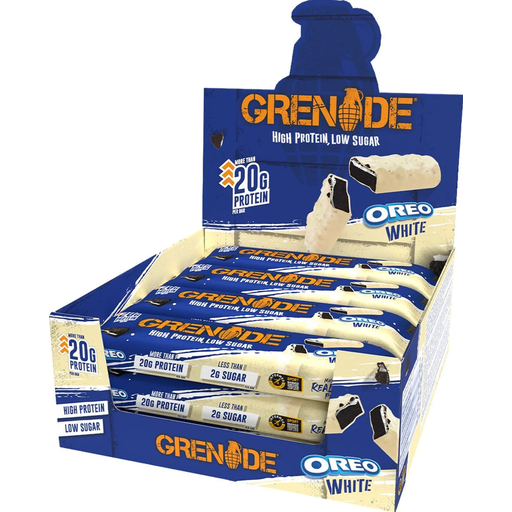
Why it stands out: This bar combines the iconic taste of OREO cookies with a powerful nutritional profile. The collaboration with the OREO brand delivers an authentic flavour experience that is rare to find in a fitness bar. The core consists of a vanilla-flavoured cream layer and a nougat centre made with real OREO cocoa.
Benefits:
Who is it for? For anyone who loves the taste of Cookies & Cream and is looking for a protein snack with maximum protein and minimal sugar. Ideal for discerning palates that refuse to compromise on nutrition.
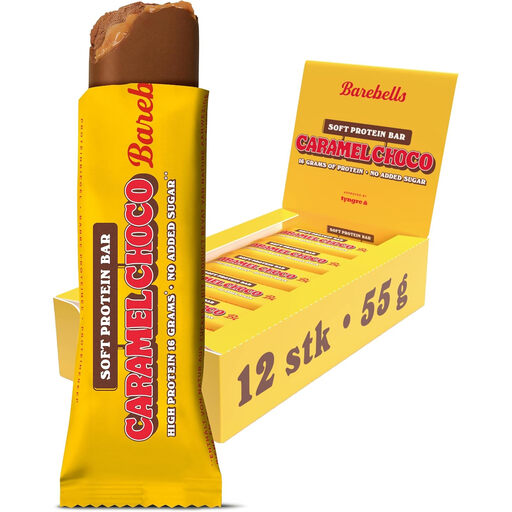
Why it stands out: The name "Soft Bar" says it all. Unlike many chewy protein bars, this one offers a soft, pleasant texture. The combination of creamy caramel and smooth milk chocolate makes it a popular choice for an indulgent snack.
Benefits:
Who is it for? For those who prefer a softer protein bar and appreciate a classic chocolate-caramel flavour. It's an excellent snack for in-between meals that satisfies sweet cravings without compromising fitness goals.
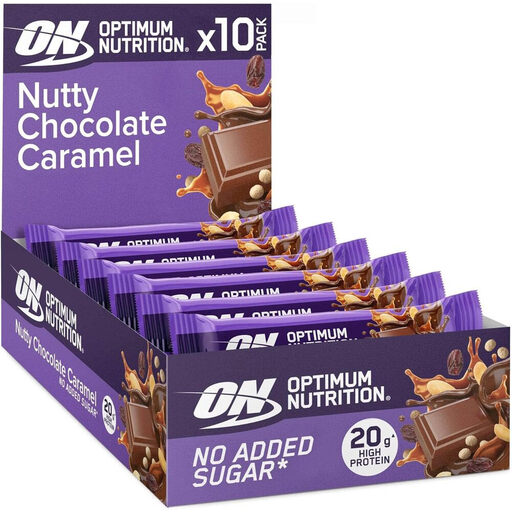
Why it stands out: This bar from Optimum Nutrition, an established brand in sports nutrition, features a more textured recipe. It contains roasted peanuts and raisins, giving it a nutty yet fruity character. It has no added sugar and is suitable for vegetarians.
Benefits:
Who is it for? For athletes and health-conscious individuals who prefer a nutty, chewy texture and want a bar from a well-known sports nutrition brand. Ideal for anyone who appreciates a high-fibre protein snack with natural sweetness.
The bars featured here are a carefully curated selection covering different tastes and needs. However, if you're looking for more flavours, plant-based alternatives, or bars for specific dietary requirements, you'll find a wider variety in our comprehensive category.
? Explore our full range of Energy & Protein Bars here
A protein bar is versatile. Many athletes consume one within 30-60 minutes after a workout to support muscle repair. However, it also works perfectly as a high-protein snack between meals to prevent hunger pangs, or as a convenient on-the-go option when a full meal isn't available.
Yes, they can support muscle growth. Protein is the fundamental building block for repairing and growing muscle tissue. A high-protein bar provides a concentrated dose of protein that can help meet the daily protein requirements necessary for muscle building. However, it is part of a balanced diet and does not replace targeted training.
A protein bar should generally not be considered a complete meal replacement. While it can be filling, it often lacks the variety of vitamins, minerals, and complex carbohydrates that a balanced meal provides. However, it can be a practical solution for an occasional, short-term replacement in busy situations.