
Lieferung heute & morgen

Qualitätsgarantie

Willkommens-Angebote freischalten: KOSTENLOSE Lieferung | Bis zu 80 % RABATT | Kostenlose 30-Tage-JoyPlus-Testphase
App herunterladen
A good pair of sports sunglasses isn't a luxury; it's a necessity for clear vision and eye protection during outdoor activities. Yet, the market is flooded with models whose marketing promises often create more confusion than clarity. Many buyers invest in glasses that quickly end up in a drawer because they pinch, slip, or distort vision. This guide will help you identify the crucial features and make an informed choice.
Before we dive into the key parameters, let's clear up three common misconceptions that often lead to a poor purchase.
To avoid these traps, focus on the following three core technical aspects. They are the primary determinants of the performance and comfort of your future sports sunglasses.
The lenses are the heart of any pair of glasses. The choice of technology depends on your primary use case.
Glasses that don't fit perfectly are a constant distraction.
Protecting your eyes is non-negotiable.
Based on the criteria above, we have identified several models suited for specific user profiles and their needs.
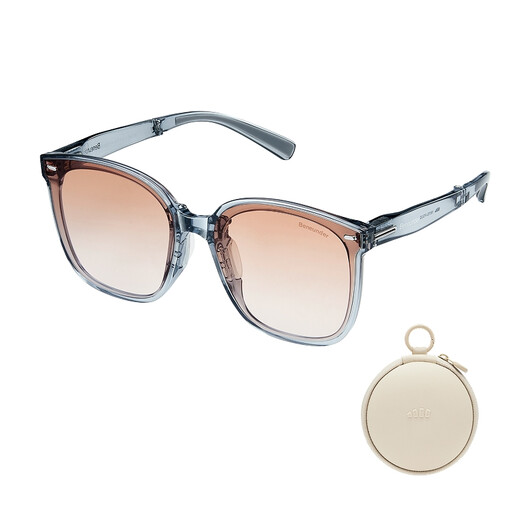
Why it's a great fit: Ideal for those who want a single pair of glasses for travel, driving, and daily use. Its design as foldable sunglasses for travel makes it extremely compact and convenient for life on the go.
Bypasses the trap of bulky sports glasses with a patented triple-folding design. The high-definition nylon lenses with an anti-reflective coating provide clear vision and avoid the pitfall of poor optics.
Extremely portable (folds to 35 mm thick) and lightweight (26 g). According to the manufacturer, it offers ≥99.9% UV protection and ≥99.6% glare reduction.
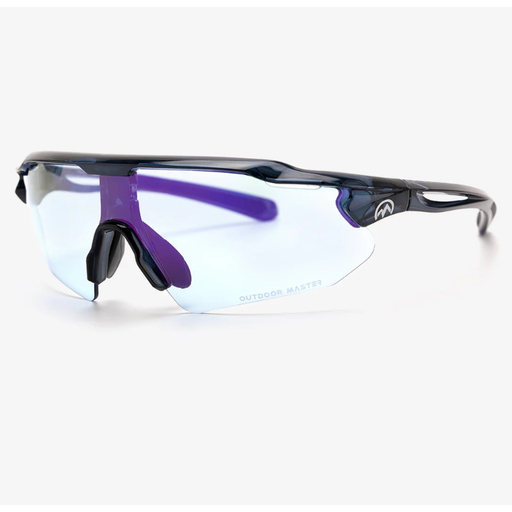
Why it's a great fit: The combination of photochromic and polarized technology makes it an all-in-one solution for cyclists who ride in all weather conditions and at any time of day.
Solves the "wrong lens" problem by adapting to light conditions while simultaneously reducing glare. The lightweight TR90 frame and adjustable nose pads prevent the "poor fit" issue.
Two top technologies in one lens. The lightweight design (29 g) and expanded peripheral field of view are specifically tailored to the needs of cycling.
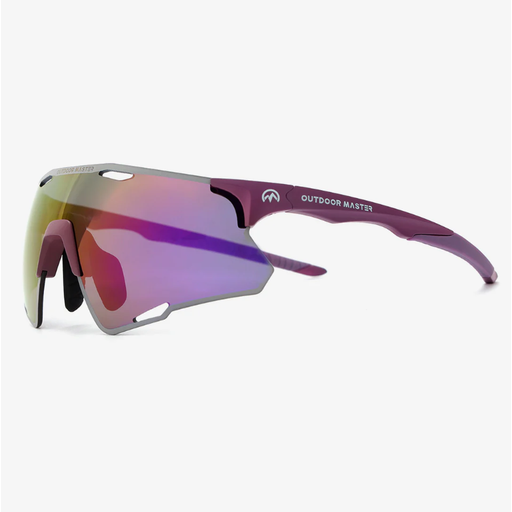
Why it's a great fit: A solid choice for athletes seeking reliable, polarized glasses for various activities like running, cycling, or beach volleyball without needing a premium budget.
Focuses on essential performance features: effective polarization, a secure fit via adjustable nose pads, and a lightweight frame. This avoids the most common shortcomings of budget-friendly glasses.
Extremely lightweight at just 25.5 g. The ventilated lens design helps reduce fogging during intense exertion—a practical feature that is often overlooked.
We have compiled a complete, up-to-date list of products that meet these strict selection criteria and European safety regulations.
1. How do I properly care for my sports sunglasses to extend their lifespan? Clean the lenses exclusively with the included microfiber cloth or a special lens cleaning cloth. Do not use paper towels or rough fabrics, as they can scratch the coating. Always store the glasses in their case when not in use. Avoid leaving the glasses in high heat, such as on a car's dashboard, as this can damage the frame and lens coatings.
2. Can photochromic lenses be used in a car? Generally, their function is severely limited or non-existent inside a car. This is because most car windshields already block the majority of the UV radiation required for the lenses' tinting process. For driving, a pair of polarized sunglasses with a constant tint is often the more suitable choice.
3. What does TR90 material mean for a glasses frame? TR90 is a high-quality thermoplastic valued in eyewear manufacturing for its special properties. It is exceptionally lightweight, which increases comfort over long periods. It is also very flexible and dimensionally stable, meaning the frame can bend without breaking and then return to its original shape. This robustness makes it an ideal material for lightweight sports glasses.