
Lieferung heute & morgen

Qualitätsgarantie

Willkommens-Angebote freischalten: KOSTENLOSE Lieferung | Bis zu 80 % RABATT | Kostenlose 30-Tage-JoyPlus-Testphase
App herunterladen
By Joybuy Product Recommendation Officer, August 29, 2026
Dry, tight, and sensitive skin is more than just a cosmetic issue—it can significantly impact your daily comfort. The body care market is vast, and manufacturers' claims are often grandiose. However, not every product that promises intense hydration actually delivers. To avoid poor purchases, it's crucial to recognise marketing pitfalls and understand what truly matters when making a choice.
Many consumers invest in products that offer short-term relief but fail to provide long-term improvement. This is often due to well-disguised shortcomings in the formulation.
To make an informed decision, you should focus on objective criteria rather than marketing promises.
Effective body care for dry skin ideally combines three types of ingredients:
A good moisturiser without parabens and silicones relies on a balanced blend of these active ingredient groups to provide the skin with lasting nourishment.
To avoid falling for empty "natural" promises, recognised seals offer reliable guidance.
The choice of consistency should depend on the degree of dryness and the intended use:
Based on these objective criteria, we have curated products for different user profiles.
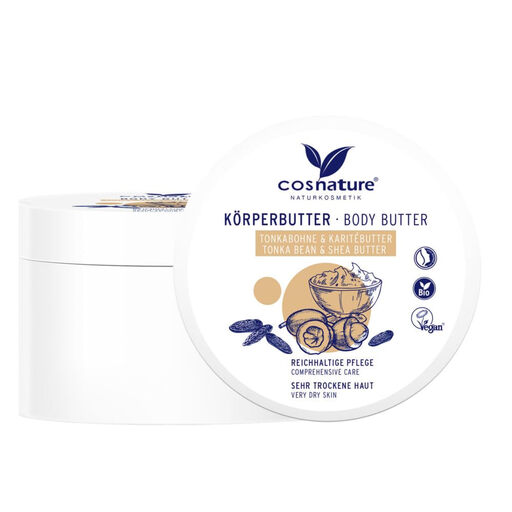
Why This Fits Their Persona: Ideal for users seeking intensive, long-lasting moisture for very dry skin. The rich texture leaves the skin feeling silky-smooth with a pleasant scent.
The NATRUE and Vegan certifications confirm this is genuine natural cosmetics. Its performance is based on shea butter, cocoa butter, and almond oil, not silicones.
Provides long-lasting, intensive moisture. Free from synthetic fragrances, silicones, and mineral oils.
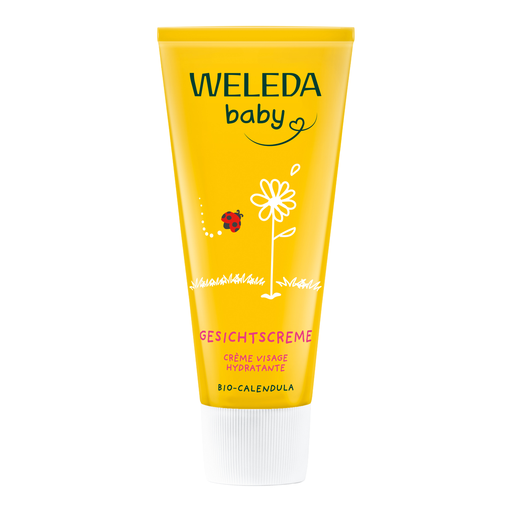
Why This Fits Their Persona: Perfect for parents seeking safe and natural baby care, as well as for adults with very sensitive skin. The formula is specially tailored to the needs of delicate skin.
Instead of vague "gentle" promises, this Calendula cream relies on proven, high-quality organic ingredients like almond oil and calendula extract. Its excellent skin compatibility is dermatologically confirmed.
Soothes the skin with organic calendula and protects against moisture loss with skin-related lanolin. It absorbs well and is microbiome-friendly.
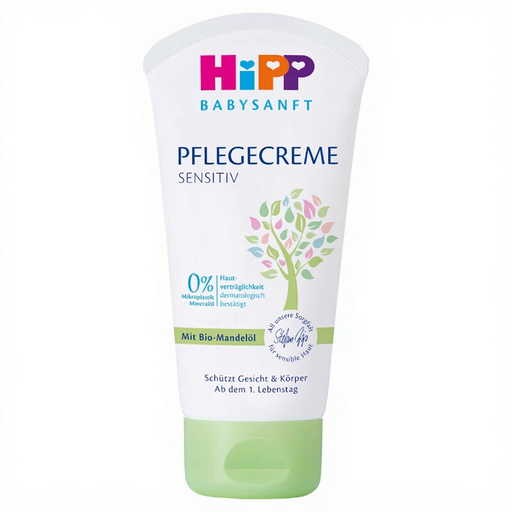
Why This Fits Their Persona: Developed for skin prone to atopic dermatitis. The formula with panthenol and organic almond oil supports skin regeneration and soothes irritation, suitable for babies and adults.
Consistently avoids ingredients that could irritate sensitive skin, such as mineral oil, parabens, and microplastics. Its suitability for skin prone to atopic dermatitis is a clear mark of quality.
The soothing care lotion absorbs quickly without leaving a greasy film. Panthenol actively supports the regeneration of the skin barrier.
We have compiled a complete, up-to-date list of products that fully meet these strict selection criteria and German safety regulations.
In general, applying once or twice daily is recommended. The best time is right after showering or bathing when the skin is still slightly damp. This effectively locks in moisture. For extremely dry areas like elbows, knees, or shins, reapplying during the day may be beneficial.
Both have their place, and it depends on the specific need. Creams and body butters contain both water and oil components. They provide moisture (water content) and seal it in at the same time (fat content). A pure body oil, on the other hand, is purely occlusive and contains no water. It works best when applied to damp skin to lock in existing moisture. For very intensive care, a combination can also be effective: first apply a cream, followed by a thin layer of oil to maximise the nourishing effect.
The most reliable way is to look at the INCI list (the list of ingredients on the packaging). You can recognise silicones by endings like "-cone" or "-siloxane" (e.g., Dimethicone). Parabens are often listed as methylparaben, propylparaben, etc. An easier method is to look for trustworthy certifications. Products with seals like NATRUE or BDIH are guaranteed to be free of these and other synthetic substances.