
Lieferung heute & morgen

Qualitätsgarantie

Willkommens-Angebote freischalten: KOSTENLOSE Lieferung | Bis zu 80 % RABATT | Kostenlose 30-Tage-JoyPlus-Testphase
App herunterladen
A chilli sauce can quickly add flavour to noodles, rice, meat, vegetables or snacks. The choice ranges from mild sweet chilli sauce through Sriracha sauce to fermented chilli paste, chilli oil and extra-hot varieties. However, this wide range can make the buying decision difficult: a striking bottle tells you little about the heat, ingredients or the right use for it.
Labels such as “Hot”, “Extra Hot” or “Fiery” are not regulated uniformly. They do not allow a direct comparison between different brands. More meaningful are the chilli content, the ingredients list and the recommended use. A sauce with a high chilli content can also be perceived differently from an acid-heavy hot sauce with a lower sugar content.
With a sweet chilli sauce, sugar is often near the top of the ingredients list. This gives a thick consistency and a sweet-spicy flavour, but says little about the actual heat level. If you are looking for a chilli sauce for cooking or marinating, you should therefore consider the sugar, chilli and acid content separately.
A 770 g or 800 g bottle can make sense for families, heavy users and catering businesses. If the sauce is only used occasionally for dipping, a smaller pack can be more practical. After opening, storage instructions differ: refrigeration after opening is often recommended. Always follow the information on the individual label.
The percentage of chilli content is a useful comparison value, but it does not replace a standardised heat scale. For example, the Flying Goose Sriracha Chilli Sauce Extra Hot 455 ml states 70% chilli. The classic Flying Goose Sriracha Hot Chilli Sauce contains 61% chilli according to product information. The term “Extra Hot” should therefore be understood as product positioning, not as a uniform measurement.
For a cautious choice, mild or sweet sauces are suitable. If you want more heat, you can opt for an extra-hot chilli sauce, a hot sauce with a high pepper content or a concentrated chilli paste.
The ingredients list shows whether, in addition to chilli, the sauce contains sugar, garlic, vinegar, oil, fermented beans or thickeners. For allergy sufferers, information such as soya beans, peanuts, sesame or wheat is particularly important.
According to product information, Lee Kum Kee Sichuan Style Toban Chilli Sauce contains, among other things, wheat and soya beans. Lao Gan Ma Spicy Chilli in Oil lists peanuts, soya beans, sesame and gluten-containing cereals. Such information should be checked before purchase and again when you receive the goods, as the packaging is the binding source of information.
The nutritional values also differ significantly: an oil-based chilli sauce can contain considerably more fat and energy per 100 g than a liquid chilli sauce on a water base. If you want to keep an eye on calories, sugar or salt, compare these values directly per 100 g or 100 ml.
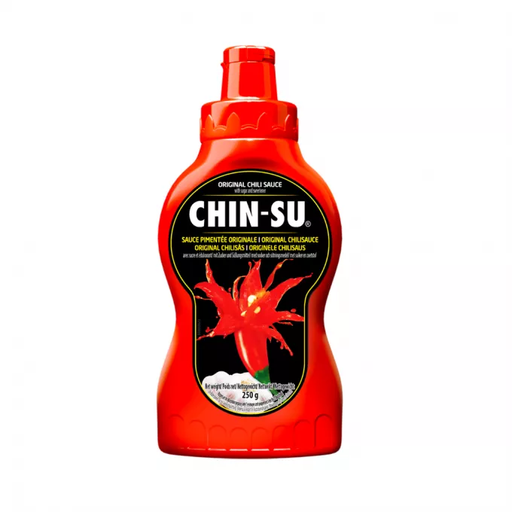
Why this product fits the profile: The 250 g pack is manageable and suitable for households wanting to try a versatile chilli sauce for dipping and seasoning.
The product information lists sugar, chilli, garlic and the nutritional value per 100 g. This makes it easier to assess the sweet-spicy profile before purchase.
250 g content; according to the product description, suitable for dips, soups, stir-fries and marinades.
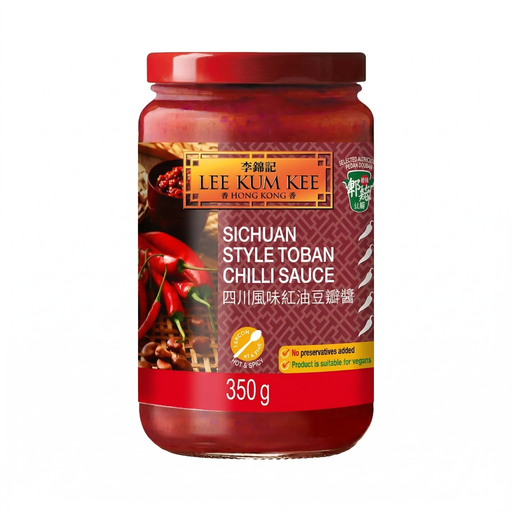
Why this product fits the profile: The fermented Sichuan chilli bean paste is aimed at buyers who consider ingredient structure, origin and traditional preparation methods.
The information states a content of 30% Pixian Doubanjiang as well as wheat and soya beans as allergens. The sauce is intended for cooking, not just as a table sauce.
350 g content; according to the usage instructions, suitable for stir-frying in oil as well as for Mapo Tofu, wok dishes and fish dishes.
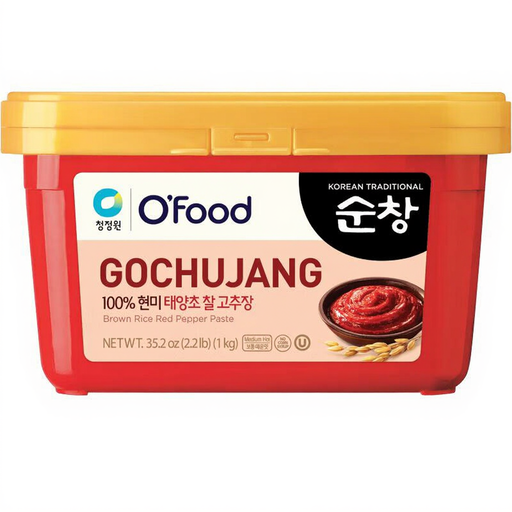
Why this product fits the profile: The 1 kg format is suitable for regular Korean cooking, larger households and use in catering and food service.
The paste is clearly positioned as a cooking ingredient. The stated soya allergen warning and the recommended refrigeration after opening make planning easier.
1 kg content; fermented Korean chilli paste for Bibimbap, Tteokbokki, stews and marinades.
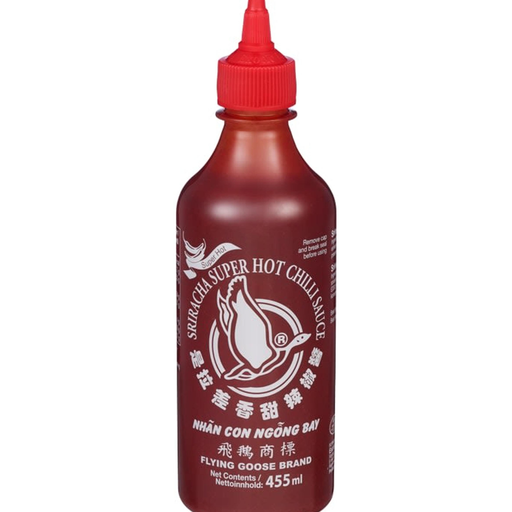
Why this product fits the profile: The ready-to-use Sriracha sauce suits people looking for a liquid Asian chilli sauce for dips, pizza, wraps and soups.
The declared chilli content of 70% provides a verifiable parameter for classification. The sauce is ready to use without cooking.
455 ml content; according to product information, no declared allergens and suitable for dips as well as seasoning finished dishes.
We have put together a complete, regularly updated list of products that fully meet these strict selection criteria and the safety regulations in force in the EU.
That depends on the recipe, packaging and manufacturer’s instructions. Many products should be stored in the fridge after opening. For individual sauces, consumption within a few weeks or days is additionally recommended. Changes in colour, smell, lid or consistency are reasons not to use the product further.
For wok dishes, Mapo Tofu or Sichuan recipes, Toban sauce and sambal are suitable. Gochujang works well for Korean marinades, stews and rice dishes. A liquid Sriracha sauce can also be cooked in, but is often added at the end for seasoning or used directly for serving.
For spring rolls, dumplings, meat or snacks, thicker, ready-to-use varieties are ideal. A sweet chilli sauce brings more sweetness, while Sriracha, Encona Pepper Sauce or another hot sauce can taste more acidic and hotter depending on the recipe. The ingredients list and the stated chilli content help with the choice.