
当日/次日达

品质保障

开启新人专享福利: 全场免邮 | 低至 2 折 | 免费试用 30 天 JoyPlus 会员
下载 Joybuy
If you’re looking to buy chili crisp and chilli oil online, you’ll find plenty of jars with similar product images and big promises. However, there are clear differences between crunchy chilli oil, chili crisp sauce, Chinese chilli sauce and Asian snacks. What matters isn’t just the heat level or brand name – it’s also the ingredients, allergens, texture, pack size and how you plan to use it.
A high chilli content doesn’t automatically mean a versatile flavour. Some products focus purely on heat, while others add extra layers of taste through garlic, fermented beans, mushrooms, peanuts or Sichuan pepper. For rice, noodles or dumplings, an aromatic blend is often more practical than a purely fiery oil.
In a chili crisp product, the crunch can come from chilli flakes, garlic, onions, peanuts, beans, mushrooms or other inclusions. If you’re after a genuinely crunchy chilli oil, you should check the ingredients list. A high oil content with few solid bits is better for seasoning, whereas a generous amount of inclusions works well as a topping.
Soya beans, wheat, sesame and peanuts appear in many recipes. Even fermented beans can contain wheat if wheat flour is used during production. If you have allergies or intolerances, you must check the labelling on the specific product and its packaging. Any information given in the online shop should be double-checked against the label when the item arrives.
If you’re choosing an Asian chilli sauce, start by deciding on the profile you want:
A product like chilli with fermented beans is therefore used quite differently in cooking compared to a neutral chilli oil. For everyday seasoning, it’s worth checking the salt content and portion size.
A spicy chilli topping should be easy to dose. Products with visible flakes and solid ingredients can be spooned on precisely. A runnier chilli oil is better stirred into dressings, soups or stir-fries.
For direct consumption, products like sweet chilli crisps or spicy seaweed snacks are also worth considering. They aren’t sauces, but they serve a different purpose: they’re stored unopened in portions and used straight away as a snack or crunchy side.
Available jars include sizes such as 170 g, 210 g, 275 g, 280 g or 330 g. Small jars are good if you want to try a flavour profile first. Larger packs make sense for households that regularly serve rice, noodles, stir-fries or dumplings with chilli oil.
Many chilli oils and crisps have a high fat and salt content. You should compare the nutritional information per 100 g. Once opened, some products need cool storage or refrigeration. Using a clean, dry spoon helps preserve the texture and quality of the solid ingredients.
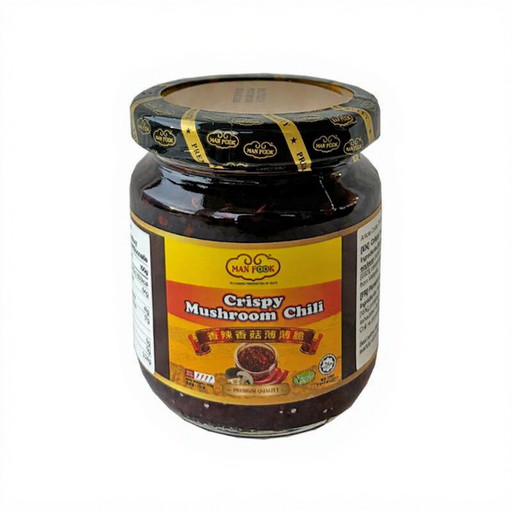
Why this product fits the profile: The 170 g jar offers a manageable amount for getting started. The combination of mushrooms, chilli, vegetable oil, soya sauce and spices works well with rice, noodles, dumplings and stir-fries.
The solid mushroom pieces make the texture clear from the ingredients list. It contains soya and may have traces of wheat, sesame and peanuts – check before buying.
170 g jar; visible mushroom pieces as solid inclusions; ready to serve and suitable for several dishes.
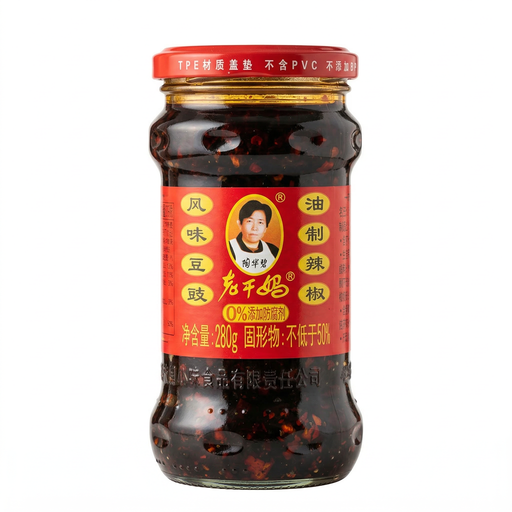
Why this product fits the profile: Fermented black beans and chilli pieces in oil create a clearly recognisable, savoury profile for rice, noodles, congee and steamed dumplings.
The bean and chilli inclusions are clearly stated in the product profile. This makes it easy to distinguish from a mostly liquid chilli oil. It contains soya and wheat.
280 g jar; fermented black beans; can be used as a topping, seasoning ingredient or side dish.
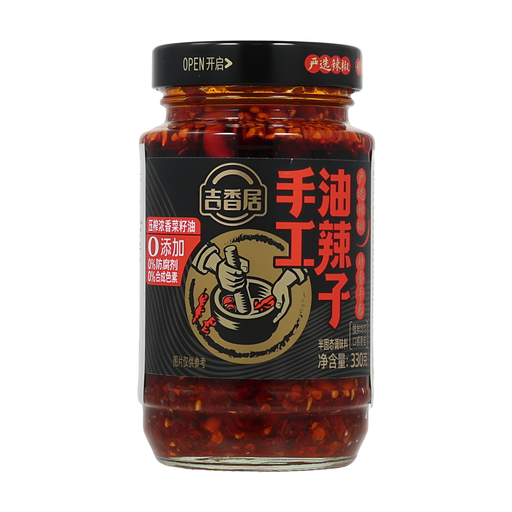
Why this product fits the profile: The 330 g pack is aimed at households that regularly use chilli oil for cooking and serving straight away. Peanuts, soya beans, sesame and Sichuan pepper round out the seasoning profile.
The ingredients list the oil content at 63% and the chilli content at 18%. This makes the consistency and basic recipe easier to assess than a simple heat level.
330 g net weight; ready to serve; suitable for rice, noodles, dips, stir-fries and as a cooking ingredient.
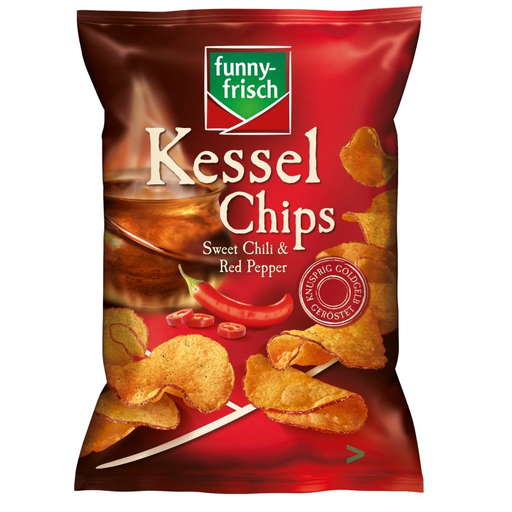
Why this product fits the profile: These sweet chilli crisps are designed for snacking straight from the pack and need no preparation. The product information lists them as gluten-free and with no declared allergens.
The 120 g pack and clearly stated flavour help identify it as a snack rather than a cooking sauce. For allergy sufferers, the current packaging label remains the definitive source.
120 g pack; potato crisps with sweet chilli and red pepper flavour; ready to eat.
We’ve put together a full, regularly updated list of products that meet these strict selection criteria and fully comply with EU safety regulations.
That depends on the individual label and recipe. Once opened, the jar should be stored according to the manufacturer’s instructions and kept tightly sealed. For products with solid ingredients like garlic, mushrooms or fermented beans, the recommended storage is especially important. Any changes in smell, colour or consistency are a reason not to use the product any further.
Chilli oil can be mixed evenly through noodles and works well in dressings or soups. Chili crisp also contains solid, often crunchy pieces and can be used as a topping on noodles, rice or dumplings. Products with fermented beans also bring a salty, savoury umami note.
Check the ingredients and allergen labelling before ordering and again when the item arrives. Common ingredients include soya, wheat, sesame and peanuts. Warnings such as “May contain traces” are also relevant. If you’re unsure, don’t choose a product based on its name alone.