
Lieferung heute & morgen

Qualitätsgarantie

Willkommens-Angebote freischalten: KOSTENLOSE Lieferung | Bis zu 80 % RABATT | Kostenlose 30-Tage-JoyPlus-Testphase
App herunterladen
Chilli oil can transform noodles, rice, dumplings, wok dishes or hot pot with just a few drops. But not every product with a red colour is the same: some varieties consist mainly of oil and chilli, while others contain garlic, sesame, peanuts, fermented beans, meat or prawns. If you decide based only on the heat level on the label, you often miss important differences.
"Extra hot" doesn't automatically mean a complex seasoned oil. A hot chilli oil can deliver a clear kick but contain very few aromatic ingredients. A Sichuan chilli oil also adds the characteristic tingling sensation of Sichuan pepper. If you're looking for a mild topping for salads or dumplings, you should check the ingredients list and usage instructions rather than relying solely on terms like "spicy" or "hot".
A classic chilli oil is usually liquid and suitable for drizzling or seasoning. Chilli crisp, on the other hand, often contains solid components such as chilli flakes, garlic, onions, peanuts, sesame, beans or meat. These additions provide texture but can contain allergens and settle at the bottom of the jar. Before use, the product should therefore be stirred well – provided the label recommends it.
Asian chilli oil can contain soya, wheat, sesame, peanuts, tree nuts or crustaceans. It's worth taking a close look at the labelling, especially with chilli oil containing garlic, prawns or fermented ingredients. After opening, different storage instructions apply depending on the product: some should be kept cool and dry, while others need to go in the fridge and be used within a certain timeframe.
For a clear, aromatic oil, short ingredient lists with oil, chilli and possibly Sichuan pepper are a sensible choice. One example is Yaomazi Pepper Oil with rapeseed oil and green Sichuan pepper. For more texture, products with solid components are suitable. These include peanuts, sesame, garlic, fermented black beans or meat.
Check whether the chilli oil is explicitly recommended as a ready-to-use seasoning, dip, cooking ingredient or finishing oil. For chilli oil for noodles and cold dishes, ready-to-use varieties are practical. A chilli oil for hot pot should blend well into a dipping sauce. For wok dishes, it makes sense to add the oil only at the end if you want to preserve a more intense flavour.
Chilli oil naturally consists largely of fat. However, the stated values differ significantly depending on the recipe. For example, CUIHONG Spicy Red Oil lists 85.2 g of fat and 5.8 g of salt per 100 g. The product Lao Gan Ma Chaozhou Chili Oil states 66 g of fat and 6.9 g of salt per 100 g according to the product information. Such details help you plan your daily intake. Additionally, allergens and additives should always be checked against the current packaging.
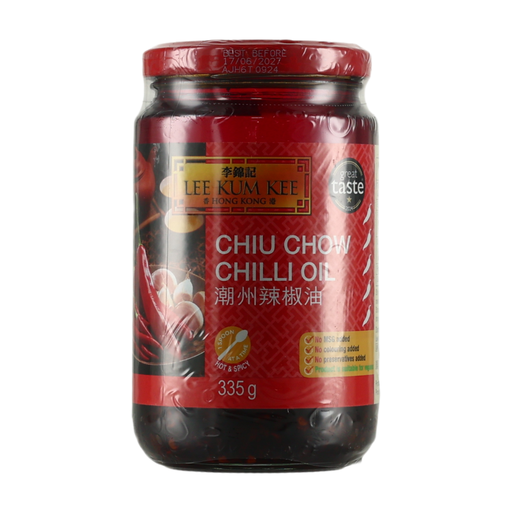
Why this product fits the profile: This ready-to-use blend combines soya oil, dried garlic, chilli and soya sauce. It's suitable for noodles, dumplings, soups, salads and dipping sauces without needing any additional ingredients.
The ingredients and allergens are clearly listed. This means you can check before buying whether soya, wheat and sesame are compatible with your requirements.
335 g content, 6 % garlic content and versatile use as a table seasoning or cooking ingredient.
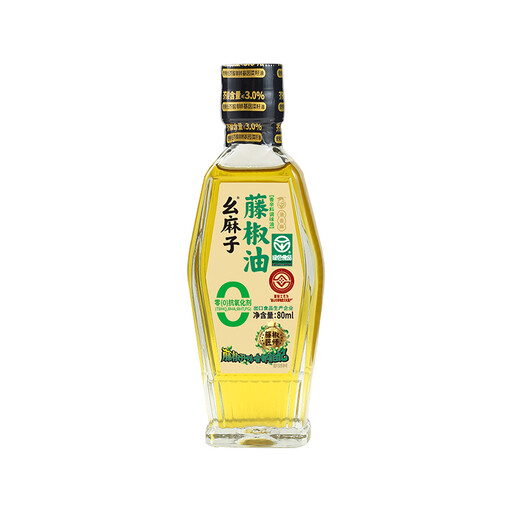
Why this product fits the profile: According to the product information, the recipe contains only rapeseed oil and green Sichuan pepper. The small format is ideal if you want a clear pepper flavour without any additional ingredients.
The short ingredient list reduces uncertainty about hidden additions. The product is also labelled as free from certain antioxidants.
Only two listed ingredients, 80 ml content and suitable for cold dishes, noodles, wok, hot pot and barbecue.
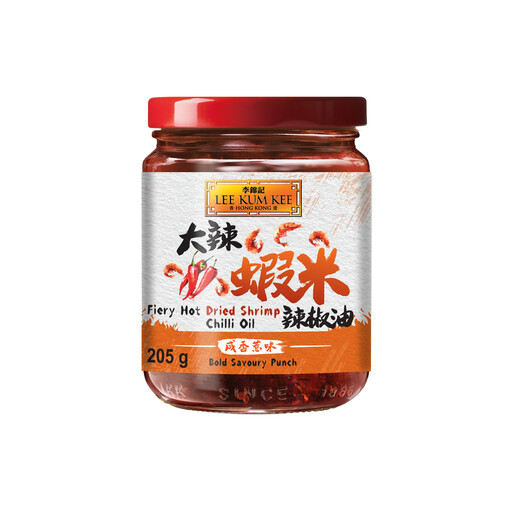
Why this product fits the profile: This variety combines chilli with dried prawns, prawn paste and garlic. It's suitable for users who want a salty, maritime flavour alongside heat in soups, noodles, wok dishes or dips.
The product information explicitly lists crustaceans, soya and gluten-containing cereals. This allows you to tailor your choice to your specific dietary needs before buying.
205 g content, dried prawns and prawn paste, and recommended use as a dip, soup seasoning, wok ingredient or for cold dishes.
For chilli oil for dumplings or cold noodles, products with chilli, sesame and spices are suitable, such as CUIHONG Spicy Red Oil. If you prefer a pronounced Mala character, you can go for Zhongjing Pepper Oil or Yaomazi Rattan Pepper Oil for hot pot. These products primarily deliver the flavour and tingling heat sensation of Sichuan pepper.
A variety with more texture is offered by Lao Gan Ma Shredded Pork Chili Oil with Black Bean Sauce or Fan Sao Guang Nut Oil Chilli. These add meat, fermented beans or various nuts. For people with allergies, the ingredient list is particularly important.
We've put together a complete, regularly updated list of products that fully meet these strict selection criteria and the safety regulations in force in the EU.
One to two teaspoons can be stirred directly into warm noodles. For varieties with solid ingredients, the jar should be stirred well beforehand. This helps the oil, chilli and spices distribute more evenly. Depending on the salt content, you may be able to reduce the amount of soya sauce or additional seasonings.
This depends on the recipe and the manufacturer's instructions. Products with prawns, meat or other moist ingredients may have shorter use-by periods. For Fiery Dried Shrimp Chilli Oil, for example, it is recommended to refrigerate it after opening and consume within one week. Always rely on the packaging, best-before date and smell of the product.
No. Chilli oil is primarily oil-based and is usually used for drizzling, seasoning or dipping. A chilli sauce often contains water, sugar, vinegar, vegetables or fruit components and is usually thicker in consistency. Chilli crisp sits somewhere in between, as it combines oil with crunchy or solid ingredients.