
Lieferung heute & morgen

Qualitätsgarantie

Willkommens-Angebote freischalten: KOSTENLOSE Lieferung | Bis zu 80 % RABATT | Kostenlose 30-Tage-JoyPlus-Testphase
App herunterladen
If you want to buy mackerel, you will find a wide choice online: tinned mackerel, mackerel fillets in sauce, smoked mackerel, whole frozen fish and multipacks. However, products can differ significantly in fish content, drained weight, ingredients, storage requirements and preparation. A low pack price does not automatically mean you are getting the best deal.
As a Joybuy Product Recommendation Officer, I filter the most important details from product descriptions and labels. This makes it easier to decide whether tinned mackerel for your store cupboard, a smoked fillet for supper or frozen mackerel for the barbecue and frying pan is right for your needs.
With tinned products, it is not just the total weight that matters. Sauce or oil increases the fill quantity, but does not all count towards the fish content. So pay attention to:
A 155g tin is practical for a single side dish or as a sandwich filling. For several people or regular stockpiling, 10- or 12-packs may be more suitable.
Mackerel is a protein-rich fish and is often marketed as an omega-3 fish. However, the specific nutritional values depend on the product and its sauce or oil. According to the product information available, for example, 100g of Geisha Mackerel in Tomato Sauce contains 15.32g of protein and 10g of fat. With mackerel in oil, the fat and energy content may be considerably higher because of the oil.
For this reason, compare the nutritional values per 100g, rather than relying only on front-of-pack claims. Sugar and salt levels are also relevant, particularly for tins containing sauce.
Mackerel naturally contains fish and must be labelled accordingly as an allergen. Depending on the recipe, it may also contain soya, wheat, milk, mustard or celery. This applies, for example, to mackerel in chilli sauce with soya or mackerel fillets in mustard sauce.
You should also check the following before buying:
Tinned mackerel and mackerel in tomato sauce are ready to eat. They are suitable for sandwiches, wraps, rice dishes, salads or quick meals requiring little preparation. Mackerel in chilli sauce adds a spicy sauce to rice and noodles, but depending on the recipe may contain sugar, soya and wheat.
Smoked mackerel is already cooked and can be served straight away with bread, potatoes or salad. For products in oil, pay attention to the drained weight and oil content. Frozen mackerel, on the other hand, requires an unbroken cold chain, must be defrosted in the fridge and then cooked thoroughly.
If mackerel is listed first in the ingredients, it is the main ingredient by quantity. For a direct comparison, you should still refer to the stated percentage. A simple product containing mackerel, sauce and salt differs considerably from a recipe containing oil, sugar, starch, spices and other allergens.
The form of the fish is also relevant in processed products: whole fish are more suitable for the barbecue or frying pan, while mackerel fillets can be portioned conveniently and used in sandwiches or salads.
A multipack often makes storing supplies easier, but ties up more of your budget and requires enough storage space. For occasional meals, individual portions offer greater flexibility. Families, office kitchens and shoppers buying long-life cupboard essentials may find a 10- or 12-pack more suitable.
Do not compare prices only per tin. Where possible, compare them per 100g of fish or drained weight. With frozen mackerel, you should also bear in mind that it needs to be defrosted before preparation.
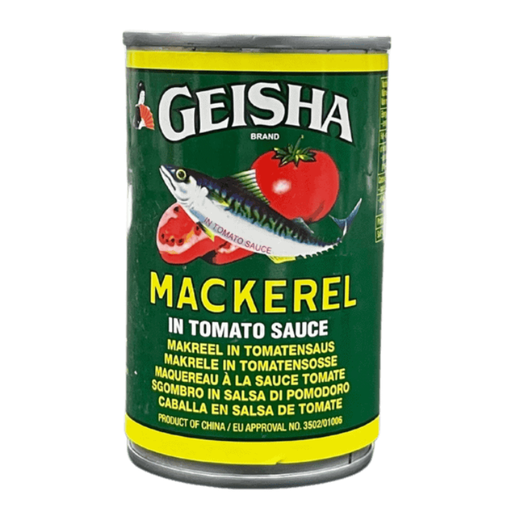
Why this product suits this profile: The 155g tin is portion-sized, long-lasting and ready to use without cooking. Tomato sauce complements bread, rice, pasta or salad.
The product information states that it contains 60% mackerel and lists the nutritional values per 100g. This makes it easier to assess the fish content and energy value before buying.
155g net weight; ready to eat; according to the ingredients list, made with mackerel, tomato sauce and salt.
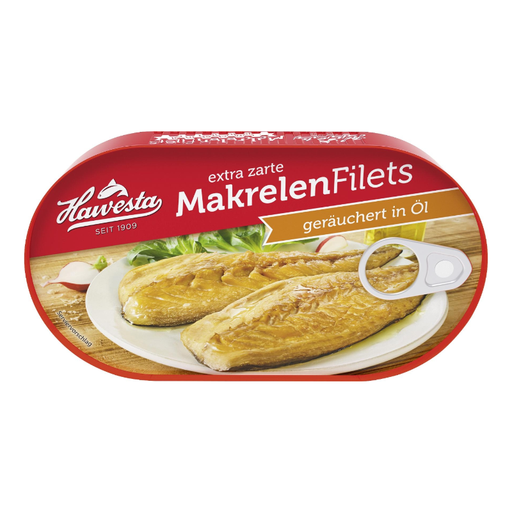
Why this product suits this profile: Smoked fillets are ready to serve and are ideal with bread, salads or a cold meal.
The net quantity and drained weight are stated. The product data also specifies MSC certification; check the packaging for full details.
190g pack; 133g drained weight; beechwood smoke and rapeseed oil according to the product information.
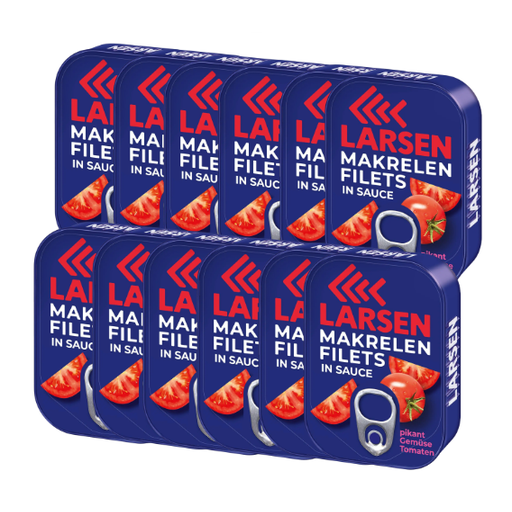
Why this product suits this profile: The 12-pack is ideal for households, office kitchens and shoppers who regularly need conveniently portioned mackerel fillets.
The pack contains twelve 110g portions. Ingredients and allergens can be checked in advance; fish and milk are among those listed.
Twelve individual portions; 15g of protein per 100g according to the product information; long-life tinned product.
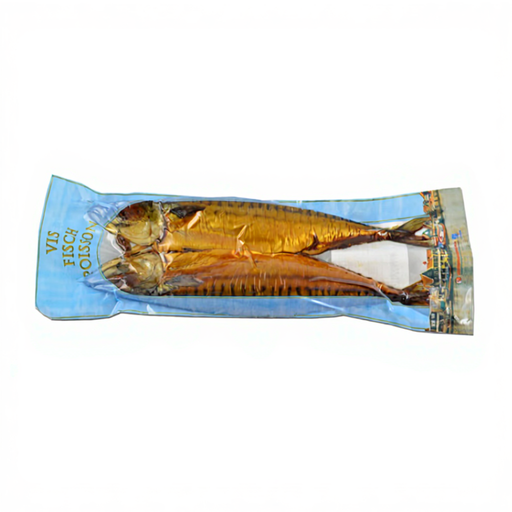
Why this product suits this profile: Two vacuum-packed, frozen whole mackerel are intended for the barbecue, frying pan or traditional smoking.
Storage at -18 °C and defrosting in the fridge are clearly specified. After defrosting, the mackerel should be used within 24 hours and must not be refrozen.
Two individually vacuum-packed fish; approximately 700g total; 18.6g of protein per 100g according to the product information.
We have put together a complete, regularly updated list of products that fully meet these strict selection criteria and the safety regulations applicable in the EU.
According to the label, unopened tins can be stored at room temperature for an extended period. A cool, dry place and undamaged packaging are essential. After opening, the contents should be transferred to a suitable container, refrigerated and eaten within the period stated on the packaging.
Yes. Frozen mackerel must be transported with the cold chain maintained and defrosted in the fridge. It must then be cooked thoroughly. Tinned mackerel and mackerel in oil, on the other hand, are ready to eat and better suited to quick meals.
For your store cupboard, unopened tins of mackerel in tomato sauce, chilli sauce or oil are practical because they can be stored without freezer space. Individual 155g tins offer flexibility, while larger packs such as 10- or 12-packs may be more suitable for regular consumption. Always check the ingredients, allergens, nutritional values and best-before date before buying.