
Lieferung heute & morgen

Qualitätsgarantie

Willkommens-Angebote freischalten: KOSTENLOSE Lieferung | Bis zu 80 % RABATT | Kostenlose 30-Tage-JoyPlus-Testphase
App herunterladen
Tinned fish in tomato sauce is a practical choice for many UK households. It can be served without lengthy preparation, does not need to be refrigerated while unopened, and pairs well with bread, rice, pasta or salad. However, tinned fish products can vary considerably in terms of fish species, sauce, portion size, ingredients and salt content.
If you only look at the price per tin, you can easily overlook important details. The following criteria will help you choose a product that suits your needs.
A tin with a lower unit price may contain a smaller proportion of fish or a lower net quantity. That is why you should compare the price per 100 g and check the fish content as a percentage. Among the products in this selection, for example, the fish content ranges from 50 to 60 per cent.
A multipack is not automatically better value either. A pack containing 10 tins of 200 g offers a different total quantity from 12 tins of 110 g. For a meaningful comparison, consider the total net quantity.
Mackerel fillets in tomato sauce may come with a sauce that is fairly savoury, sweet or acidic. Herring fillets in tomato sauce are also available in versions containing cream, mozzarella, curry or herbs. Pay attention to:
If you prefer a simple sauce, compare the ingredients list with those of flavoured varieties. A more strongly seasoned sauce, on the other hand, may be more practical for Mediterranean-style or spicy dishes.
MSC-certified fish indicates that the relevant fishery has been certified. The MSC label is not the same as an organic certification. For organic herring fillets, the organic claim refers to the appropriately labelled agricultural ingredients; the fish itself does not come from organic aquaculture when it is wild-caught.
You should therefore check the specific label, certification details and product description. For example, the Appel “Organic Tomato Cream” version states that 33 per cent of the agricultural ingredients come from certified organic farming.
The term “fillets” may indicate more clearly portioned pieces. With sardines or anchovies, check which fish species is actually listed in the ingredients.
For individual meals, 155-g or 200-g tins are a manageable size. A tinned fish multipack is better suited to households that eat it regularly or want to build up a supply. Also consider how much space you have in your cupboard and the best-before date.
Once opened, the contents should generally be transferred to a suitable non-metallic container and refrigerated. The exact time in which they should be eaten depends on the packaging information and may vary from product to product.
Compare the information per 100 g, not just per tin. Energy, fat, sugar, protein and salt are particularly relevant. The sauce can have a significant effect on the sugar and salt content.
Fish must be declared as an allergen. Depending on the recipe, products may also contain milk, wheat, mustard or celery. If you have known allergies, always refer to the complete ingredients and allergen list on the relevant product packaging.
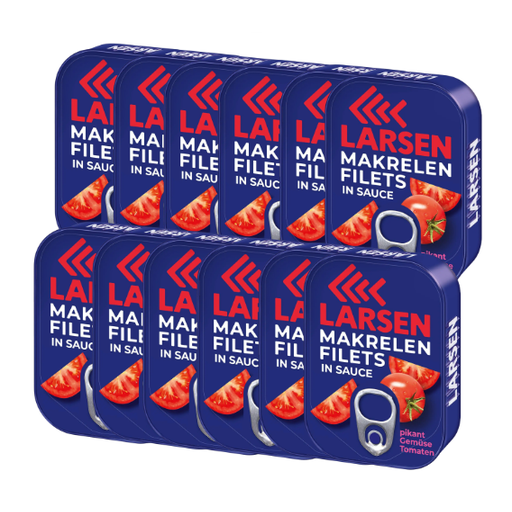
Why this product suits this profile: The multipack contains 12 individual portions, making it suitable for shoppers who regularly eat tinned fish and prefer to keep the amount per meal manageable.
The pack clearly states that it contains 12 tins of 110 g each. This makes it easy to assess the portion size before buying.
Mackerel fillets, 12 individual tins and, according to the product information, 15 g of protein and 0.78 g of salt per 100 g.
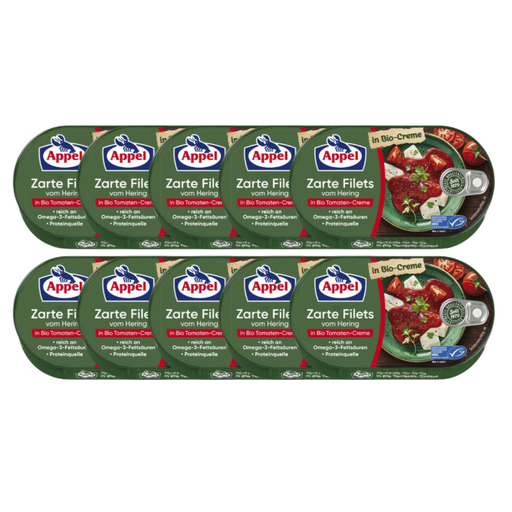
Why this product suits this profile: The combination of MSC herring, 200-g tins and labelled organic ingredients appeals to shoppers who compare certifications and recipe details carefully.
The product information specifies both MSC certification and the inspection body responsible for the organic ingredients. This makes the claims easier to assess accurately.
60% herring, 12.1 g of protein and 1.15 g of salt per 100 g according to the product data; 10 tins of 200 g each.
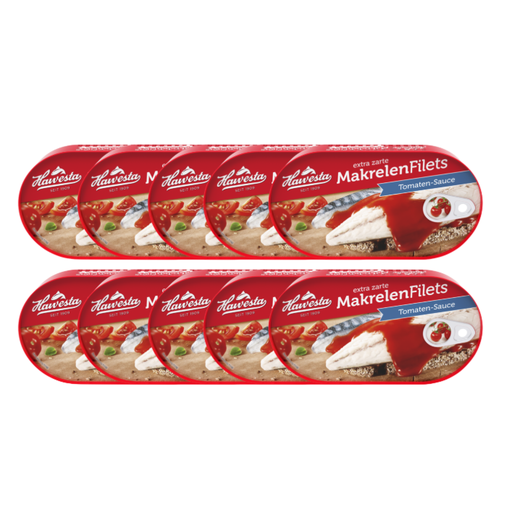
Why this product suits this profile: The pack of 10 200-g tins is designed for households that regularly use tinned fish as a quick meal or to build up a supply.
The product data states the fish content of 60% and a net quantity of 200 g per tin.
MSC-labelled mackerel fillets, 13 g of protein and 0.80 g of salt per 100 g according to the product information.
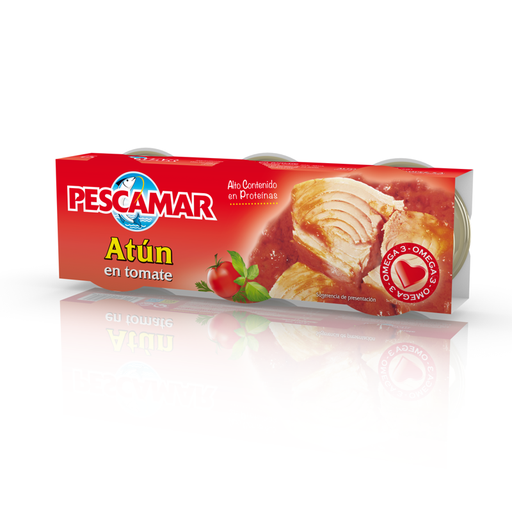
Why this product suits this profile: Three small tins are ideal for office lunches, sandwiches, salads or individual portions, without having to open a large tin.
The 3 × 80-g format makes the portion size clear and limits the amount of leftovers that need to be stored in the fridge.
Tuna in tomato sauce, ready to eat and, according to the product description, containing 18 g of protein per 100 g.
We have put together a complete, regularly updated list of products that fully meet these strict selection criteria and the safety regulations applicable in the EU.
Unopened tins can be stored until the printed best-before date if kept in a cool, dry place protected from direct sunlight. Damaged, bulging or heavily rusted tins should not be used. Once opened, follow the manufacturer's instructions; leftovers should be refrigerated in a non-metallic container.
Mackerel has firmer fillets, making it suitable for bread and warm side dishes. Herring pairs well with creamy or savoury sauces. Sardines are practical for toast, rice and salads. Tuna combines well with pasta, sandwiches and salads thanks to its flaky texture.
No. MSC and organic labels indicate different properties. MSC refers to a certified fishery. An organic label applies to the ingredients identified as organic and to the relevant organic production requirements. Always check the exact product labelling and ingredients list.