
Lieferung heute & morgen

Qualitätsgarantie

Willkommens-Angebote freischalten: KOSTENLOSE Lieferung | Bis zu 80 % RABATT | Kostenlose 30-Tage-JoyPlus-Testphase
App herunterladen
Asian rice is not all the same. Jasmine rice, Thai Hom Mali rice, Basmati rice and Vietnamese ST25 rice differ in aroma, grain shape, moisture absorption and texture after cooking. If you only look at the lowest price per kilo or eye-catching packaging claims, you could easily end up with a variety that doesn't suit your meal plan.
This applies to private households as well as restaurants, catering businesses and commercial kitchens. The following criteria will help you objectively compare fragrant rice in bulk packs.
Terms like fragrant rice, "fragrant rice" or "perfumed rice" often describe the aroma, not necessarily a specific variety. For example, Thai Hom Mali is an aromatic jasmine rice from Thailand. A Cambodian fragrant rice, however, may have different cooking properties. What really matters are the details about rice type, origin and ingredients list.
With a product labelled "100% Jasmine Rice" or "100% Basmati Rice", the composition is clearer than with a general description like "aromatic long-grain rice".
Rice 5 kg works well for many families and regular households. If your consumption is low, however, a rice 10 kg or rice 20 kg pack may sit open for a long time. Moisture, heat and pests can then affect the product quality.
For restaurants, takeaways and catering businesses, a bulk pack can be more economical because the stock is used up more quickly. Before buying, it's worth roughly calculating your monthly consumption.
A water ratio of 1:1 may work for one variety, while another long-grain rice needs 1:1.5. Washing, soaking and resting times also differ. If you follow the instructions for a different rice variety, you may end up with grains that are too soft or too firm.
The instructions on the specific packet should always take priority. A rice cooker can simplify preparation, but it doesn't replace the correct water quantity.
Jasmine rice and Thai Hom Mali rice develop a distinct, floral aroma when cooked and have a fairly soft, slightly sticky texture. This works well with curries, stir-fries and many Southeast Asian rice dishes.
Basmati rice typically has long, slender grains. When prepared correctly, the grains stay separate and fluffy. It is ideal for biryani, pilaf and dishes with a North Indian or Pakistani influence.
Vietnamese ST25 rice is described in product details as long-grain and aromatic. Depending on the product, soft, slightly sticky or pleasantly firm textures may be emphasised. For comparison, the specific cooking instructions are more important than a general quality claim.
Check the stated country of origin. Examples in the range include Thailand, India, Pakistan, Vietnam and Cambodia. Origin alone doesn't guarantee a particular cooking property, but it does help you identify the variety.
A short ingredients list like "100% rice" indicates a pure, unadulterated single product. Nutritional information usually refers to uncooked rice and is not directly comparable to the values of a cooked portion.
For a household with regular rice needs, a 5 kg or 10 kg sack can be practical. Rice 18 kg or rice 20 kg is more suited to heavy users, families with high consumption and commercial kitchens. The weight should also suit your storage space: an opened sack belongs in a clean, dry, airtight container, not directly on the floor.
Rice is naturally gluten-free. For processed or mixed products, check the labelling on the packet. The pure rice products mentioned here consist of rice according to product details and are sometimes explicitly labelled as gluten-free and suitable for vegetarian or vegan diets. Always refer to the current product labelling as the definitive guide.
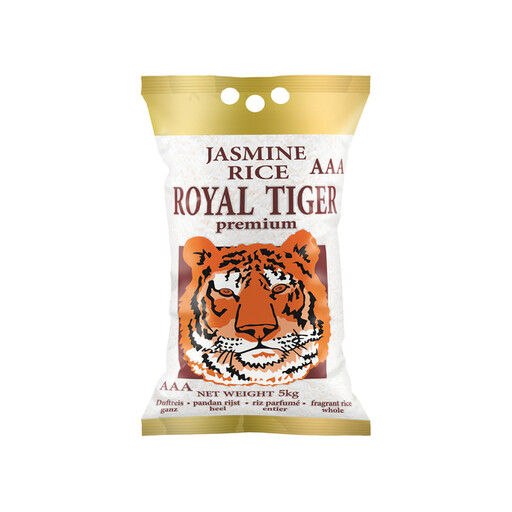
Why this product suits the profile: The 5 kg pack is manageable and ideal for households that use jasmine rice regularly but not in large quantities.
The variety and net weight are clearly stated. The preparation instructions give a ratio of 1:1, so you don't have to guess the water quantity.
5 kg content, jasmine rice and easy-to-follow cooking instructions.
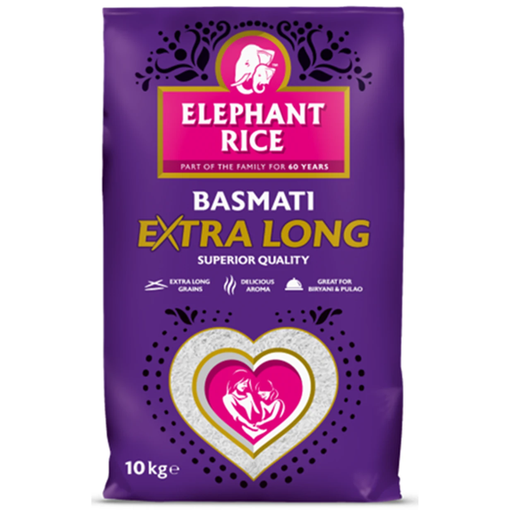
Why this product suits the profile: Extra-long, slender grains and the described fluffy texture appeal to users who specifically choose basmati for separate, distinct grains.
Origin, rice type, ingredients and net weight are all clearly listed. The instructions mention washing, soaking and a water quantity of 1.5 to 1.75 parts.
10 kg pack, 100% Basmati rice and suitability for vegetarian and vegan diets.
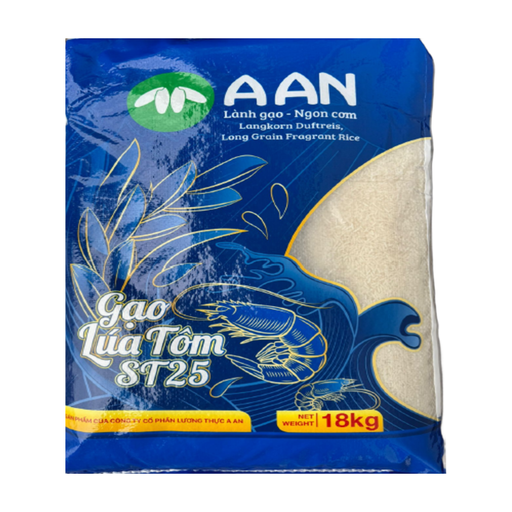
Why this product suits the profile: The 18 kg pack is designed for families with high consumption as well as restaurants and catering businesses with regular demand.
The origin (Vietnam), variety (ST25) and recommended water ratio of 1:1 are all stated. This makes kitchen planning easier.
18 kg content, Vietnamese origin and clear guidance on storage and resting time after cooking.
We've put together a full, regularly updated list of products that meet these strict selection criteria and comply fully with EU safety regulations.
Jasmine rice or Thai Hom Mali rice often works well with curries thanks to its floral aroma and soft, slightly sticky texture. For a fluffy side dish with separate grains, Basmati rice may be more suitable.
The best-before date is on the packet. Unopened products can have a stated shelf life of, for example, 18 to 24 months, depending on the brand and packaging. After opening, dry, airtight storage and timely consumption are key.
A pack of 18 kg or 20 kg can be a good option for families, restaurants or catering businesses with regular consumption. If your needs are modest, rice 5 kg or rice 10 kg is usually easier to store and use up within a suitable timeframe.