
Lieferung heute & morgen

Qualitätsgarantie

Willkommens-Angebote freischalten: KOSTENLOSE Lieferung | Bis zu 80 % RABATT | Kostenlose 30-Tage-JoyPlus-Testphase
App herunterladen
By: Joybuy Product Recommendation OfficerDate: August 30, 2026
The selection in the rice aisle can be overwhelming. From fragrant Basmati to creamy risotto rice, finding the right variety is crucial for the success of any dish. However, those who make an uninformed choice often face disappointment: a mushy risotto, a flavourless curry, or a nutritional profile that doesn't meet expectations. This guide will help you navigate the most common pitfalls of buying rice and make an informed decision.
Before we dive into the details, let's look at the typical problems that lead to an unsatisfactory result.
To avoid these mistakes, you should consider three fundamental parameters. These will help you objectively evaluate the characteristics of the rice and find the right variety for your needs.
The shape of the rice grain is a key determinant of its cooking properties and final texture. There are three main categories:
After harvesting, rice undergoes different levels of processing, which affects its nutritional value and cooking behaviour.
In addition to grain type and processing, there are specific rice varieties with characteristic aromas.
Here are some recommendations tailored to specific needs and cooking styles.
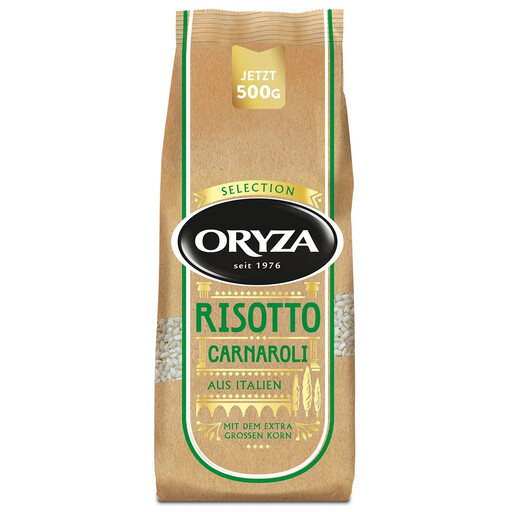
Why This Fits Their Persona: Ideal for lovers of Italian cuisine who want to create a creamy yet firm risotto. The Carnaroli variety is renowned for its ability to absorb a lot of liquid without falling apart.
Prevents the mistake of using an unsuitable long-grain rice. Its high starch release is specifically designed to create the desired creamy consistency that defines a risotto.
Specialised risotto rice from Italy (according to the manufacturer). Creates a creamy texture while keeping a firm core ("al dente").
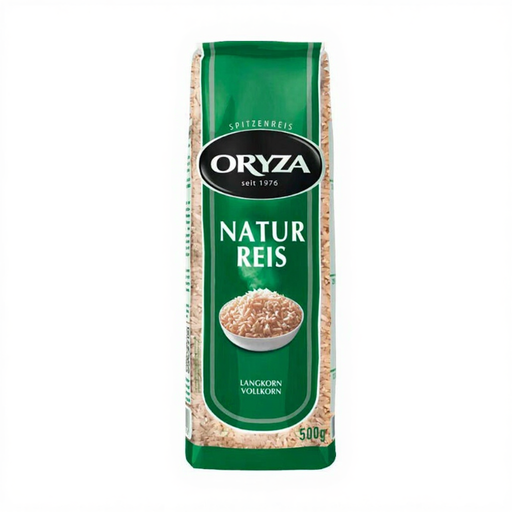
Why This Fits Their Persona: Perfect for health-conscious consumers who value a high-fibre diet. This brown rice is an excellent base for bowls, salads, and as a nutritious side dish.
Addresses the pitfall of unknowingly choosing polished white rice. The clear labelling as brown rice ensures you get a whole-grain product.
Contains the bran and germ. According to the manufacturer, it provides 4.4g of fibre per 100g and has a pleasant nutty flavour.
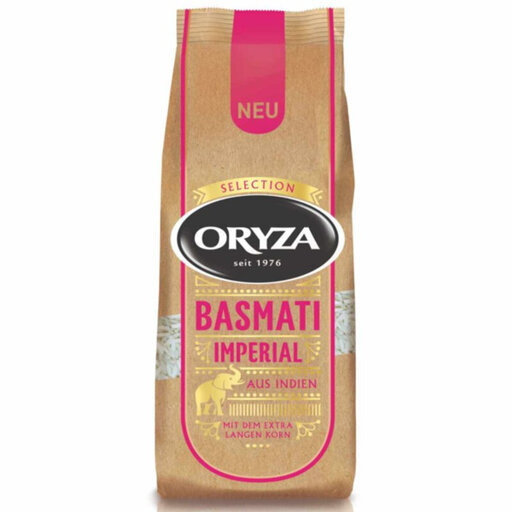
Why This Fits Their Persona: For cooks who appreciate the authentic taste of Indian or Middle Eastern dishes. This Basmati rice provides the characteristic aroma and fluffy texture required for this style of cuisine.
Solves the problem of confusing aromatic varieties. Its specific origin (Himalayan region, according to the manufacturer) and aroma profile make it the clear choice for dishes that call for Basmati.
Fragrant long-grain rice with a loose, fluffy consistency. According to the manufacturer, it is vegan and gluten-free rice.
We've compiled a complete, up-to-date list of products that fully meet these strict selection criteria.
Although both are aromatic long-grain rice varieties, they are distinctly different. Basmati rice has a nutty, earthy aroma and very long, slender grains that are dry and fluffy after cooking. It is typical for Indian and Middle Eastern cuisine. Jasmine rice has a floral and slightly sweet fragrance. Its grains are a bit shorter and stick together slightly after cooking, making it ideal for Southeast Asian cuisine.
Washing rice removes excess starch from the surface of the grains. This results in a fluffier, less sticky result and is particularly recommended for long-grain varieties like Basmati. For risotto or sushi rice, however, washing is not advisable, as the surface starch is needed for the desired creamy or sticky consistency. Always follow the preparation instructions on the package.
Rice should be stored in a cool, dry, and dark place. An airtight container is ideal to protect it from moisture, pests, and foreign odours. When stored correctly, white rice can last for several years. Brown rice, due to its higher fat content in the germ, has a shorter shelf life of about six months and should be used more quickly.