
Lieferung heute & morgen

Qualitätsgarantie

Willkommens-Angebote freischalten: KOSTENLOSE Lieferung | Bis zu 80 % RABATT | Kostenlose 30-Tage-JoyPlus-Testphase
App herunterladen
By Joybuy Product Recommendation Officer, July 28, 2026
Anyone looking to buy coconut water is often faced with a shelf full of options that look nearly identical at first glance. But behind the tropical packaging lie significant differences that affect not only the taste but also the purpose of the drink. Many consumers, believing they are purchasing a pure, natural product, end up with bottles containing unexpected ingredients. This guide will help you avoid the most common pitfalls and find the right coconut beverage for your needs.
Two common traps to watch out for when buying are:
To make an informed decision, there are three core aspects to check. These will help you objectively evaluate product quality and avoid disappointment.
The truth about a product is always on the ingredients list. Pay attention to the following:
The distinction is fundamental to its intended use:
Beyond pure water, there is a growing variety of coconut-based Asian beverages that offer different experiences:
Here are some recommendations tailored to different needs and preferences.
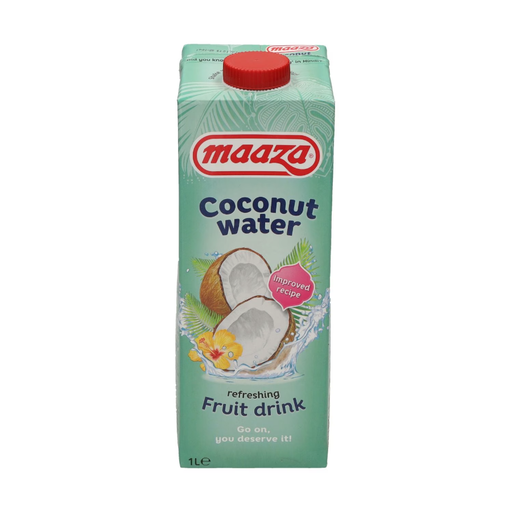
Why This Fits Their Persona: Ideal for anyone seeking pure and unadulterated hydration. Perfect for post-workout rehydration or as a low-calorie, natural refreshment for everyday life.
This product consistently avoids the sugar trap. According to the manufacturer, the ingredients list contains only coconut water, with no added sugar or flavourings.
100% pure coconut water; according to the nutrition facts, it contains 212 mg of potassium per 100 ml, which can contribute to electrolyte replenishment.
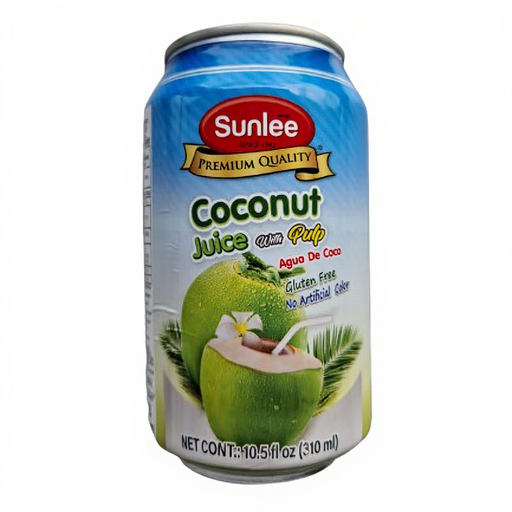
Why This Fits Their Persona: For those who find a simple drink too boring. The soft pieces of pulp offer a satisfying mouthfeel and turn the drink into a small snack.
The product is clearly labelled as "Coconut Juice with Pulp" (coconut water with pulp). It avoids terminological confusion by being transparent that it is a sweetened drink with texture.
Contains 5% young coconut pulp, according to the manufacturer, for an authentic, textured drinking experience. Made in Thailand, known for high-quality coconut products.
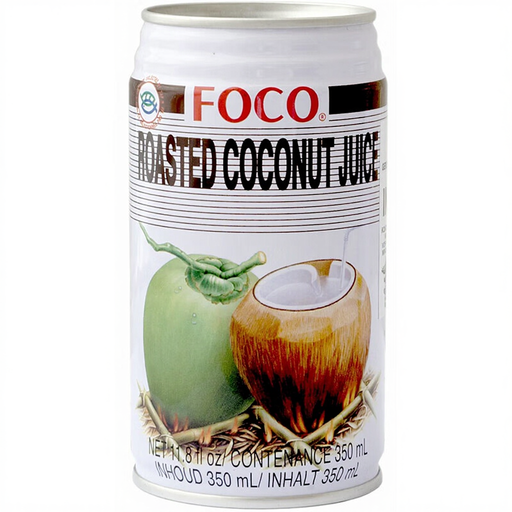
Why This Fits Their Persona: For those who want to explore new flavour profiles. The roasted aroma gives the drink an unexpected depth and a nutty character that stands out from classic coconut water.
The name "Roasted Coconut Juice" (roasted coconut juice) clearly communicates that this is a refined flavour product, not pure, natural coconut water.
Unique, nutty-sweet flavour profile from roasted coconut water. Offers an interesting alternative in the world of Asian beverages.
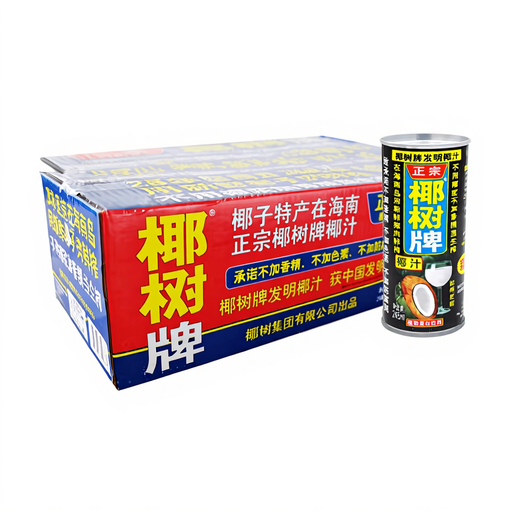
Why This Fits Their Persona: The bulk pack of 24 cans is extremely convenient for stocking up, for families, parties, or small food service businesses. Your supply is secured for a longer period.
As a "Juice Drink," it's clear that this is a beverage for enjoyment. The ingredients list, which includes sugar and emulsifiers, creates transparency and avoids false expectations of a pure, natural product.
Convenient 24-can case format for easy storage. The creamy, sweet taste makes it a popular drink for many occasions.
We have compiled a complete, up-to-date list of products that fully meet these strict selection criteria and UK regulations.
Coconut water is the nearly clear, watery liquid from the inside of young, green coconuts. It is naturally low in fat and slightly sweet. Coconut milk, on the other hand, is made from the grated and pressed flesh of mature, brown coconuts. It is thick, creamy, rich in fat, and typically used for cooking, not as a standalone drink.
Once opened, coconut water should always be stored in the refrigerator. The exact shelf life varies by manufacturer and product (with or without preservatives). As a general rule, consume it within 24 to 72 hours. Always check the instructions on the packaging.
Pure coconut water with no added sugar can be a natural alternative to commercial sports drinks, especially for light to moderate physical activity. It naturally contains electrolytes like potassium, which aid in rehydration. For very intense or prolonged exercise, specialised isotonic drinks might offer a more balanced composition of electrolytes and carbohydrates.