
Lieferung heute & morgen

Qualitätsgarantie

Willkommens-Angebote freischalten: KOSTENLOSE Lieferung | Bis zu 80 % RABATT | Kostenlose 30-Tage-JoyPlus-Testphase
App herunterladen
The mayonnaise aisle can be overwhelming. From classic delicatessen-style mayonnaise and creamy salad mayonnaise to international specialities like Japanese mayonnaise, the differences are often more subtle than the labels suggest. The wrong choice can ruin the experience of enjoying fries, a salad, or a burger. So, before you grab the first option you see, it's worth taking a closer look at the details that define a quality mayonnaise.
Many shoppers fall into common pitfalls. This includes assuming that terms like "Delicatessen" or "Real" automatically guarantee higher quality without checking the ingredient list. Another source of error is a lack of knowledge about the specific properties of different mayonnaise types, which leads to disappointment when a lighter version optimised for salads is used on a hearty burger.
To find the right mayonnaise for your needs, you should consider three core aspects. These objective parameters will help you see through marketing claims and make an informed decision.
In Germany, the classifications for mayonnaise types are tied to their fat content. This system is a reliable indicator of flavour and consistency:
The base of every mayonnaise is an emulsion of oil, egg yolk, and an acid component. The type and quality of these ingredients significantly determine the final product.
Japanese mayonnaise like Kewpie Mayo, use only egg yolk instead of whole eggs. This results in a richer, more velvety texture and a more intense flavour.Consider what you primarily want to use the mayonnaise for. A classic, balanced mayonnaise is an all-rounder. However, there are optimised versions for specific dishes:
Sriracha Mayo for a spicy kick.salad mayonnaise is easier to mix into a dressing and doesn't overpower the natural taste of the fresh ingredients.Here are some recommendations tailored to different needs and taste preferences.
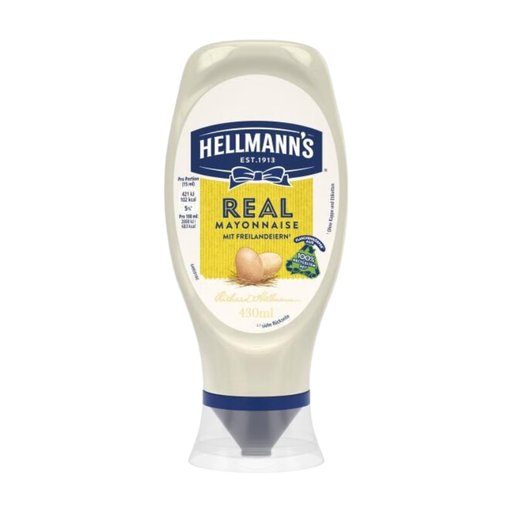
Why this product is a great fit: Ideal for anyone looking for a versatile and reliable companion for everyday use. Its balanced, creamy, and mild taste is perfect for sandwiches, salads, burgers, and as a dip for fries. A true all-rounder for the family kitchen.
The "Real" designation is backed by a clear ingredient list featuring free-range eggs and a 75% fat content, ensuring a creamy consistency without excessive sweetness or artificial flavours.
A balanced flavour profile that complements other flavours rather than overpowering them. The convenient squeeze bottle allows for clean and easy dispensing.
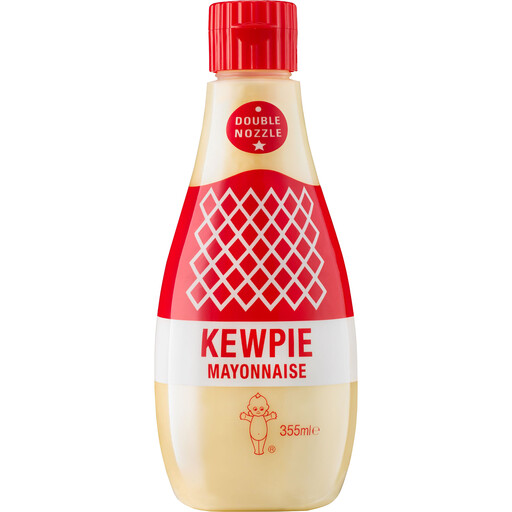
Why this product is a great fit: For food enthusiasts who appreciate the authentic taste of Japanese cuisine. Perfect for sushi, okonomiyaki, poke bowls, or as a base for an extraordinary burger sauce.
This product avoids the trap of "false authenticity." The recipe, with 15% egg yolk and a blend of apple and red wine vinegar, delivers the characteristic, rich umami flavour that sets it apart from Western mayonnaises.
A uniquely velvety texture and a complex, slightly tangy flavour profile, achieved by using pure egg yolk and a special vinegar blend.
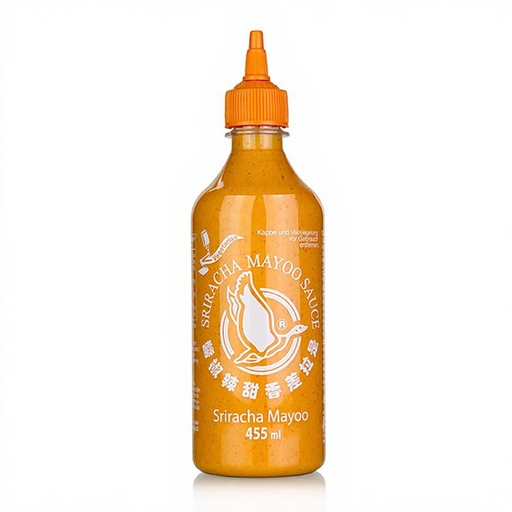
Why this product is a great fit: For anyone who wants to add a spicy kick to their dishes. This `Sriracha Mayo` combines creamy mayonnaise with the zesty heat of chillies and garlic—ideal for burgers, wraps, tacos, or as a dip.
Instead of an artificially flavoured sauce, you get a product that, according to the manufacturer, contains 20% sun-ripened chillies. This ensures an authentic and balanced level of heat that doesn't just burn but also brings flavour.
The sauce offers a perfect balance between the creaminess of the mayonnaise and the spicy heat of the Sriracha sauce. It is also gluten-free and suitable for vegetarians.
We have compiled a complete, up-to-date list of products that fully meet these strict selection criteria and German regulations.
The main difference lies in the legally mandated fat content. Delicatessen-style mayonnaise must contain at least 80% fat, which makes it very creamy and rich. Salad mayonnaise (or salad cream) has a fat content of at least 50%. Due to the higher water and vinegar content, it is lighter, often slightly sweeter, and more liquid, making it ideal for dressings.
Once opened, mayonnaise should always be stored in the refrigerator. The exact shelf life varies by product and composition. As a general guideline, it should be consumed within 2 to 4 weeks. Always follow the specific instructions from the manufacturer on the packaging.
Japanese mayonnaise differs from many Western varieties in three key ways: It is made exclusively with egg yolk, which provides an exceptionally rich and velvety texture. Second, a special blend of rice or apple cider vinegar is often used instead of spirit vinegar, creating a milder, more complex taste. Third, it often contains a pinch of monosodium glutamate (MSG), which enhances its characteristic, deep umami flavour.