
Lieferung heute & morgen

Qualitätsgarantie

Willkommens-Angebote freischalten: KOSTENLOSE Lieferung | Bis zu 80 % RABATT | Kostenlose 30-Tage-JoyPlus-Testphase
App herunterladen
By the Joybuy Product Recommendation OfficerPublished on August 28, 2026
Merlot is one of the most popular red wine grape varieties in the world—and for good reason. Its smooth texture and aromas of plum and cherry make it approachable and versatile for many wine drinkers. However, this very popularity has led to an overwhelming market where making an informed purchasing decision isn't always easy. Many labels promise more than the bottle delivers. This guide will help you avoid the common pitfalls and find a Merlot wine that truly meets your expectations.
Before you buy a Merlot, you should be aware of two common marketing traps that often lead to disappointment.
Merlot from France from the Pays d'Oc can be a more suitable choice for everyday enjoyment than an overpriced entry-level wine from a prestigious region. The winemaker and the specific maturation process are often more crucial than a famous name alone.To find the right Merlot wine, focus on three objective criteria. These will help you better assess the quality and style of a wine.
A Merlot's origin significantly shapes its character. Climatic conditions and soil types lead to different flavour profiles.
The ageing method has an enormous impact on the final result in the glass.
Look for additional labels that match your personal preferences.
Here are three recommendations tailored to different needs and occasions.
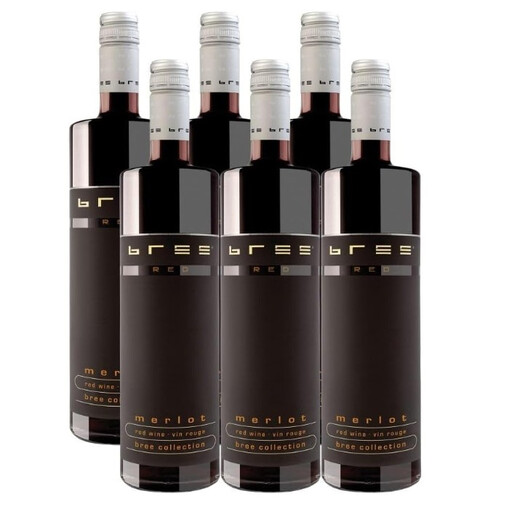
Why This Fits Their Persona: Ideal for those seeking a straightforward and reliable red wine for an evening drink or social gatherings. The convenient screw cap and the 6-pack of Merlot offer excellent value for money.
This wine from the Pays d’Oc bypasses the trap of expensive appellations, instead delivering the clear, fruit-forward quality typical of its origin.
A soft, spicy profile with aromas of blueberry and blackcurrant. An approachable wine that pairs well with many dishes, from grilled vegetables to lamb.
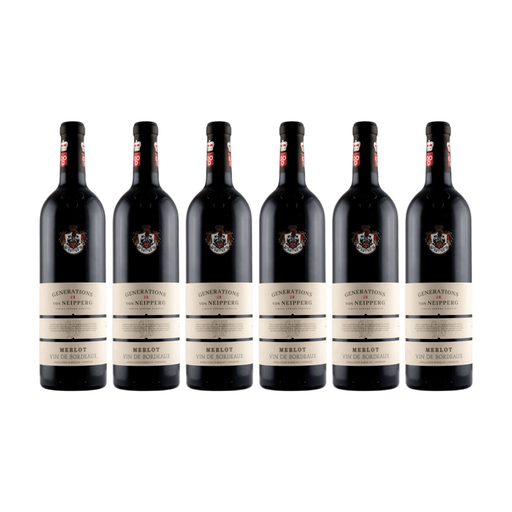
Why This Fits Their Persona: For connoisseurs who appreciate the value of a renowned producer and the finesse of a modern Bordeaux. The von Neipperg family represents a long winemaking tradition and high quality standards.
Here, you're not just buying the "Bordeaux" name, but the proven expertise of a winemaking family that combines tradition with innovative methods to create wines with origin and depth.
A wine that showcases the elegance and personality of a Bordeaux Merlot. It represents a balanced style shaped by experience and respect for the terroir.
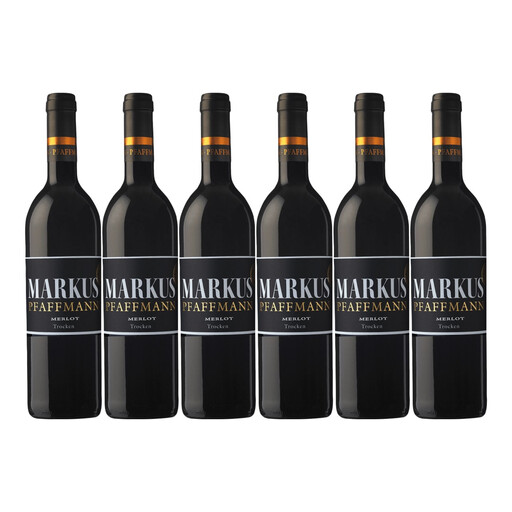
Why This Fits Their Persona: Perfect for consumers who value German origin, sustainable production, and a vegan lifestyle. The Pfaffmann winery from the Palatinate region is a member of Fair'n Green.
This wine proves that first-class Merlot doesn't have to come from abroad. It offers transparent quality from Germany and meets modern demands with its vegan vinification.
A dense, juicy body with aromas of Morello cherries, forest fruits, and herbs. A complex yet fresh vegan Merlot with silky tannins.
We have compiled a complete, up-to-date list of products that fully meet these strict selection criteria and legal regulations.
The term Merlot dry refers to the legally defined residual sugar content. In Germany, a dry wine can have a maximum of 9 grams of residual sugar per litre, although the acidity can influence this value. A dry Merlot, therefore, does not taste sweet, but its ripe fruit aromas (like plum or black cherry) and soft tannins can still make it feel round and harmonious.
After opening, a Merlot red wine should be tightly resealed and stored in a cool place. It will typically last for 3 to 5 days in the refrigerator. Wines with a screw cap or those resealed with a vacuum pump tend to retain their freshness a bit longer. Over time, the wine will lose its fruit aromas and can oxidize, leading to a flat taste.
No, Merlot is extremely versatile. While a powerful, barrique-aged Merlot pairs excellently with beef, lamb, or game dishes, a fruity Merlot aged in steel tanks also complements lighter meals. It harmonizes well with pasta with tomato sauces, pizza, medium-bodied cheese, or even hearty vegetarian dishes like mushroom risotto or lentil stew.