
Lieferung heute & morgen

Qualitätsgarantie

Willkommens-Angebote freischalten: KOSTENLOSE Lieferung | Bis zu 80 % RABATT | Kostenlose 30-Tage-JoyPlus-Testphase
App herunterladen
A dry red wine 6-bottle pack is practical for home supplies, celebrations or the hospitality trade. However, the options can differ considerably: one case may contain six bottles of 0.75 litres each, while another may contain six large bottles of 1 litre each. The term “dry” does not automatically describe a specific flavour either. If you focus only on the brand, label or case price, you may end up paying for a format that does not suit your needs.
A 6 x 1 l red wine contains 6 litres in total, while 6 x 0.75 l red wine contains 4.5 litres. A lower total price therefore does not automatically mean a lower price per litre. Compare the following before buying:
For regular serving or larger gatherings, a 6-bottle pack with 1-litre bottles can be a sensible choice. For smaller households or a varied selection, 0.75-litre bottles are often easier to portion.
The flavour description dry refers to the permitted residual sugar content, not to a specific grape variety. A dry Merlot red wine can taste fruity and smooth, while a dry Cabernet Sauvignon red wine is often characterised more strongly by tannins and spice. Origin, maturation and vintage can also influence the wine’s character.
It is therefore worth looking for specific descriptions such as:
Organic red wine must be traceable through valid organic certification or a control number. “Vegan red wine”, on the other hand, refers to the production and fining agents used. The two properties should not automatically be treated as equivalent.
Check the information on the product label or in the product details. All the wines mentioned here should also be checked for sulphites, which must be declared as an allergen. Anyone with intolerances should review the ingredient and allergen information before buying.
For stocking up or larger events, a dry red wine in a case of 6 x 1 litre is a high-volume option. Two of the products listed are available in this format: Grand Sud Cabernet Pays d’Oc and Lergenmüller Merlot. A 6-bottle pack with 0.75-litre bottles contains 4.5 litres and is more suitable for standard serving sizes.
Merlot is often a good choice when fruity notes and a softer perception of tannins are preferred. Cabernet Sauvignon can pair well with strongly seasoned dishes, grilled or roasted meat and mature cheese. However, when choosing red wine for meat and cheese, you should consider not only the grape variety but also the specific product description.
Typical pairings listed in the product information include:
Serving temperatures between 16 and 18 °C are recommended for several products. Red wines that are too warm can taste more alcoholic, while wines that are too cold often reveal their aromas less clearly.
A French red wine from Pays d’Oc or Bordeaux, an Italian red wine from Trentino or Veneto and a German red wine from the Palatinate can differ in style and labelling. Protected geographical designations such as IGP, DOC or AOC provide information about the geographical classification and the relevant production rules.
Alcohol content, ingredients, allergens and storage conditions are also relevant. A screw cap can make opening and resealing easier, while natural or synthetic corks require different handling.
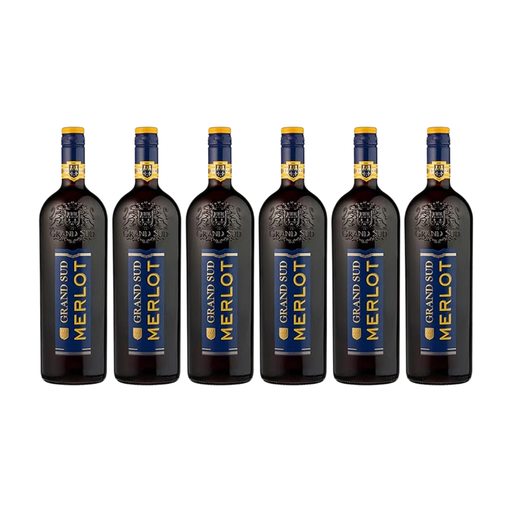
Why this product suits this profile: The 6-bottle pack with 1-litre bottles provides 6 litres in total. The product information states 13% alcohol, a dry flavour and a recommended serving temperature of 16 to 18 °C.
The clear specification of six bottles containing 1 litre each prevents confusion with the smaller 0.75-litre format. The origin and grape variety are also stated.
Fruit-forward Merlot from France, 6 litres in total and pairing suggestions for poultry, grilled dishes and cheese.
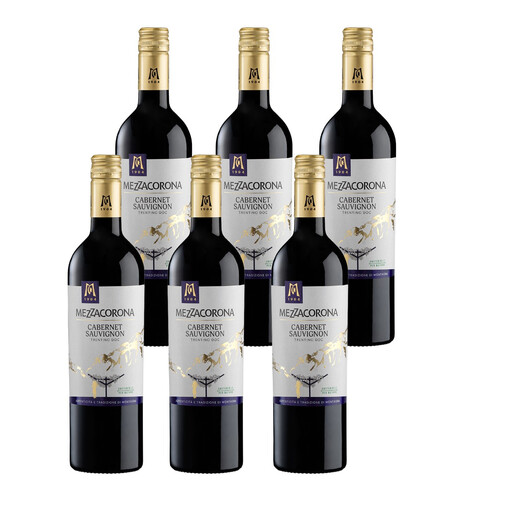
Why this product suits this profile: The DOC designation indicates its origin in Trentino. The wine comes in six 0.75-litre bottles, contains 13% alcohol and is described as having spicy and fruity aromas.
The product data specifies the grape variety, region, designation of origin, alcohol content and serving temperature. This makes it possible to assess the wine using specific information rather than the label alone.
Cabernet Sauvignon from Trentino, 13% ABV and stated food pairings for grilled meat, game and mature cheese.
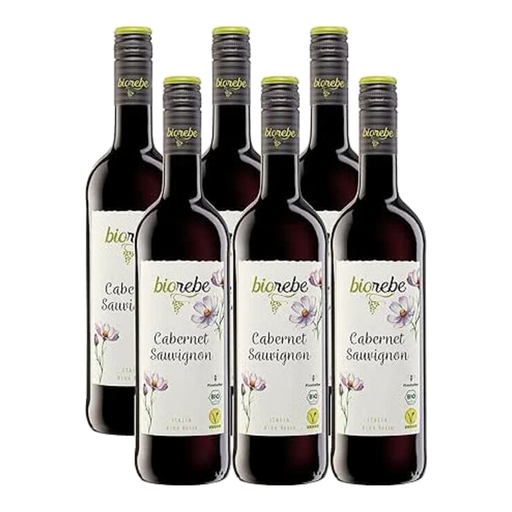
Why this product suits this profile: The product information confirms its Italian origin, organic quality and vegan suitability. The 0.75-litre format is suitable for a range of occasions without having to store six 1-litre bottles.
The organic and vegan claims are expressly listed in the product details. Ingredients and sulphites are also stated, making it easier to check the wine for specific dietary requirements.
Cabernet Sauvignon from Italy, organic certification and vegan suitability in a 6-bottle pack with 0.75-litre bottles.
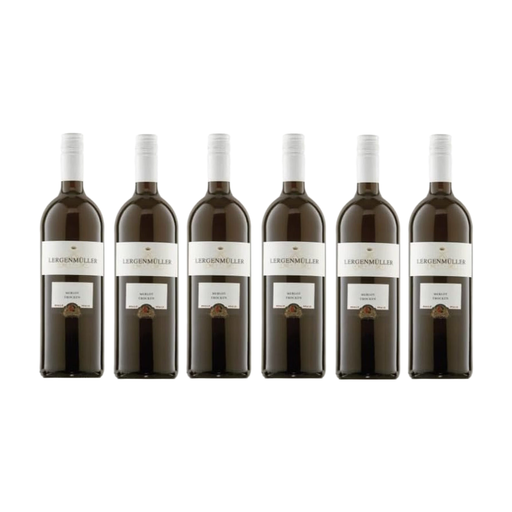
Why this product suits this profile: This German Merlot from the Palatinate combines a large-bottle format with a screw cap. It contains 13.5% ABV and is matured in stainless steel tanks.
The combination of origin, grape variety, alcohol content, closure and maturation is clearly documented. This makes it easier to compare with French and Italian wines.
6 litres in total, a screw cap and origin in the Palatinate. The product description mentions notes of berries, cherry and herbs.
We have put together a complete, regularly updated list of products that fully meet these strict selection criteria and the safety regulations applicable in the EU.
Store boxed red wine in a cool, dry place protected from direct light. With a screw cap, resealing is straightforward. After opening, the bottle should be sealed tightly again and consumed within a few days, depending on the product information. Oxygen changes the flavour, so an opened bottle does not keep indefinitely.
Also pay attention to delivery and age verification. Alcoholic drinks must not be supplied to anyone under the applicable legal minimum age. Pregnant women should avoid alcoholic drinks. Responsible consumption is essential with every dry red wine 6-bottle pack.
Not necessarily. Compare the price per litre. A 6 x 1 l pack contains 6 litres, while 6 x 0.75 l contains only 4.5 litres. The price per litre is the only reliable basis for comparing costs.
This depends on the wine, closure and storage conditions. Seal the bottle as tightly as possible and store it somewhere cool. The specific instructions on the label take precedence; many opened red wines should be consumed within a few days.
Cabernet Sauvignon is often recommended with beef, game and strongly flavoured cheese. Merlot can pair well with poultry, grilled dishes and a range of cheeses. Alongside the grape variety, the tannins, alcohol content, preparation and seasoning of the dish are also important.