
Lieferung heute & morgen

Qualitätsgarantie

Willkommens-Angebote freischalten: KOSTENLOSE Lieferung | Bis zu 80 % RABATT | Kostenlose 30-Tage-JoyPlus-Testphase
App herunterladen
A ready-made salad dressing can make everyday meals easier: wash the salad, chop the ingredients, shake the dressing and serve. Even so, when buying salad dressing, it is worth taking a closer look at the ingredients, nutritional values, allergens and pack size. If you focus only on flavour claims or eye-catching labels, you can quickly end up buying a sauce that does not suit your usual diet.
A light salad dressing may have a reduced fat content while still containing sugar, sweeteners or comparatively high levels of salt. That is why you should check the nutritional information per 100 ml rather than looking only at the front of the bottle.
One example is Kühne Light Joghurt Salatdressing. According to the product information, it contains 99 kcal and 6.6 g of fat per 100 ml. This makes it an option for calorie-conscious shoppers, but it does not replace checking the sugar and salt content.
500 ml can be a sensible choice for families or people who eat salad regularly. However, if the bottle is only used occasionally, some of the contents may lose quality after opening or reach their best-before date. For single-person households or those who enjoy changing flavours, 200 to 250 ml is often easier to use up.
Also pay attention to the storage instructions. Many opened dressings need to be kept in the fridge and should be used within the period stated on the packaging.
Terms such as “with herbs”, “fresh” or “without artificial flavourings” each describe only individual product characteristics. The ingredients list is what really matters. It shows, among other things, whether the dressing contains oil, yoghurt, egg, mustard, sugar, thickeners or preservatives.
For imported products, labelling and flavour may also differ from familiar German recipes. If you have allergies or follow a special diet, always check the current packaging.
First, consider what you want to use the salad sauce for:
A salad dressing does not have to be limited to leaf salads. Some products are also suitable for sandwiches, bowls, potatoes, vegetables, marinades or use as a dip.
The ingredients list is particularly important if you are looking for a vegan salad dressing, a gluten-free product or a sauce without milk and egg. Look out for clearly highlighted allergens such as mustard, milk, egg, soya, wheat, fish or crustaceans.
According to the product information, Kühne Garden Herbs Salad Dressing is described as gluten-free and lactose-free and contains no oil. Based on the product information provided, Kühne Sweet Onion Salad Dressing is vegan, gluten-free and lactose-free. Nevertheless, the current labelling on the bottle should always be checked before consumption.
Where possible, compare products using the same reference quantity, usually per 100 ml. Important figures include:
Seasoning sauces from Asian cuisine can have a significantly higher salt content. According to the product information, Qianhe Cold Salad Dressing contains 47 kcal per 100 ml and 3,850 mg of sodium per 100 ml. Mae I Pim Papaya Salad Sauce contains 13.8 g of salt per 100 ml. These products are often used sparingly and therefore cannot be compared directly with a mild herb dressing.
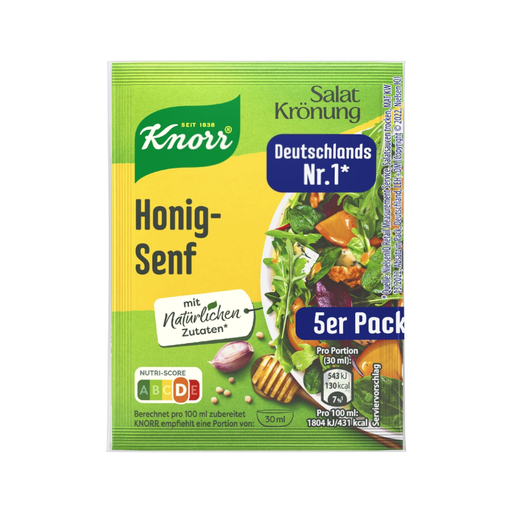
Why this product suits this profile: The individual sachets are practical for households that want to mix fresh dressing as needed. According to the preparation instructions, water and oil are added.
The individual portions reduce the risk of having to store an opened bottle for a long time. Mustard is listed as an allergen.
5 packs of 90 ml each; honey and mustard flavour; can be prepared immediately before serving.
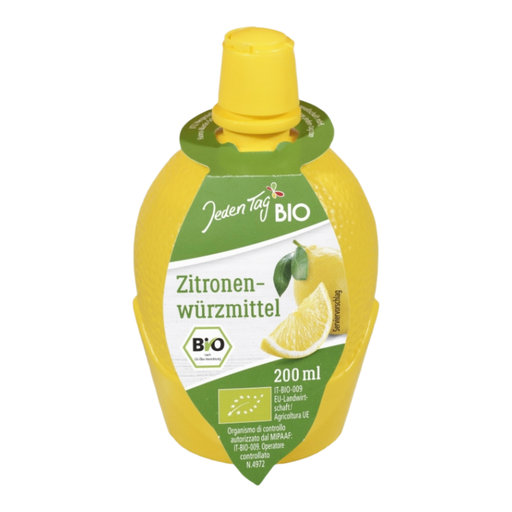
Why this product suits this profile: The 200 ml bottle is aimed at shoppers who prefer organic certification and a lemon-based recipe for salads, crudités or grilled dishes.
The product description refers to EU organic certification and ingredients from organic farming. Mustard is listed as an allergen.
200 ml contents; EU organic labelling according to the product information; 7% lemon juice concentrate according to the ingredients list.
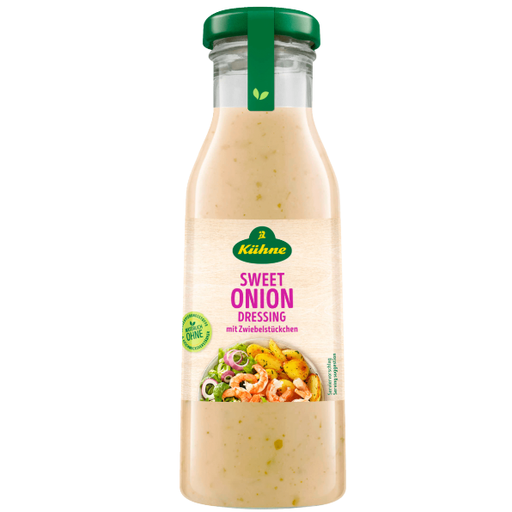
Why this product suits this profile: Ideal for vegan households and shoppers who want to use a sweet and savoury sauce in bowls or oriental-inspired dishes as well as salads.
The product information identifies it as vegan, gluten-free and lactose-free. The ingredients list states 9% onions and 12% apple juice from concentrate.
Vegan according to the product information; 250 ml contents; suitable for salads and as an ingredient in bowls.
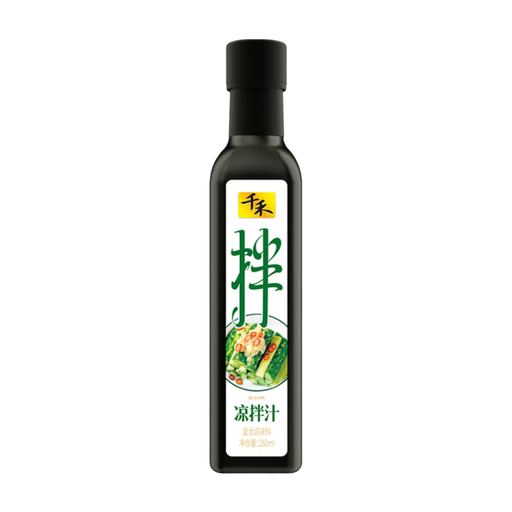
Why this product suits this profile: An option for Asian salads, cold dishes and shoppers who enjoy combining soy sauce, vinegar, chilli and sweet and savoury flavours.
The ingredients and allergen information explicitly identify soya beans and wheat or gluten. This makes it easier to assess whether the product is suitable before buying.
260 ml contents; brewed soy sauce and vinegar among the ingredients; refrigerate after opening.
We have put together a complete, regularly updated list of products that fully meet these strict selection criteria and the safety regulations applicable in the EU.
For people who work, portioned products or a smaller bottle that can be used without lengthy preparation are ideal. Families often benefit from 500 ml bottles, provided the dressing is used regularly. For potato salad, choose a sauce with sufficient seasoning and the right viscosity. A creamy Caesar dressing or French dressing, on the other hand, is better suited to leaf salads and crudités.
For a vegan diet, the ingredients list is more important than the product name. Mayonnaise or rémoulade-style products often contain egg. This applies, for example, to Thomy Remoulade and classic mayonnaise products. Asian papaya salad sauces may contain fish or prawns, so these products are not suitable for vegetarians or vegans.
Compare the energy and fat content per 100 ml. Kühne Garden Herbs Salad Dressing is listed as containing 25 kcal and less than 0.1 g of fat per 100 ml. You should also take sugar and salt into account, as a low fat content alone does not provide a complete assessment.
This depends on the recipe, packaging and manufacturer’s instructions. Many products need to be refrigerated after opening and used within a few days or weeks. Seal the bottle carefully, use clean utensils and always follow the instructions on the packaging.
A dedicated potato salad dressing makes preparation easier because the acidity, oil and spices have already been combined. According to the product information, Kühne Potato Salad Dressing Classic is intended for around 600 g of boiled potatoes and is described as vegetarian, lactose-free and gluten-free. The egg and mustard allergens should be checked before purchase.