
Lieferung heute & morgen

Qualitätsgarantie

Willkommens-Angebote freischalten: KOSTENLOSE Lieferung | Bis zu 80 % RABATT | Kostenlose 30-Tage-JoyPlus-Testphase
App herunterladen
As a Joybuy Product Recommendation Officer, I often see the confusion that arises when shopping for authentic Asian foods. The selection of Sichuan chili oil, in particular, is vast, yet the quality differences are significant. Many people grab a product that looks red and tastes hot but lacks the complex aromatics of Sichuan cuisine. This guide will help you avoid the common pitfalls and make an informed decision.
The most common problems when buying are:
To ensure you get a product that meets your expectations, you should pay attention to three fundamental parameters. These will help you correctly interpret the information on the label.
A high-quality Sichuan chili oil is made by infusion. This involves steeping chilis and other Sichuan spices in hot oil, often rapeseed or soybean oil. This process slowly extracts the flavors and color, creating a deep, fragrant oil with a sediment of spice particles. Look for whole spices and a clear indication of the oil base on the ingredients list. Products that only list "vegetable oil" and "chili flavor" are often less complex.
For an authentic taste, the presence of Sichuan peppercorns is essential. Look for terms like "Sichuan pepper" (or "prickly ash") on the ingredients list. This provides the characteristic, slightly numbing tingle on the tongue that defines mala sauce. Without this component, you're just getting a hot oil, not a true Sichuan experience.
For many classic Sichuan dishes, the key ingredient isn't the liquid oil but a fermented bean paste. Pixian bean paste (Pixian Doubanjiang) is a thick, salty, and savory paste made from fermented broad beans, chilis, and wheat flour. It is fried in oil at the beginning of the cooking process to release its aroma and give the dish a deep red color and a complex umami flavor. If you plan to make dishes like Mapo Tofu or hot pot, buying such a paste is often the right choice.
Based on these criteria, we have selected a few products suitable for different needs and preferences.
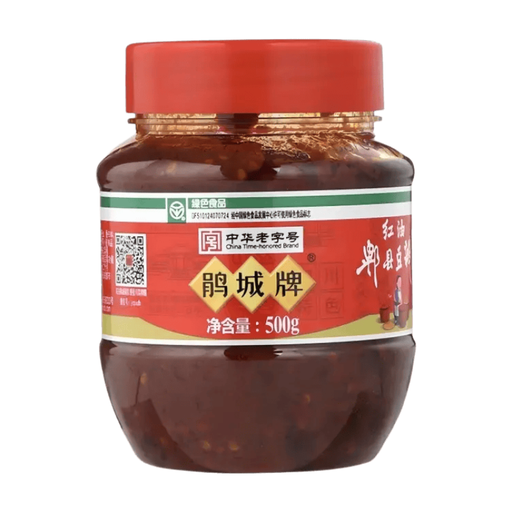
Why This Fits Their Persona: Ideal for anyone looking to prepare authentic Sichuan dishes like Mapo Tofu or Twice-Cooked Pork. This paste is the foundation for countless recipes, delivering unparalleled depth of flavor.
This product avoids the pitfall of using a simple finishing oil where a complex, fermented base is required. It's the authentic ingredient called for in many original recipes.
As a certified Intangible Cultural Heritage product, this Pixian bean paste stands for traditional craftsmanship and authentic taste. The 500g package is practical for regular use.
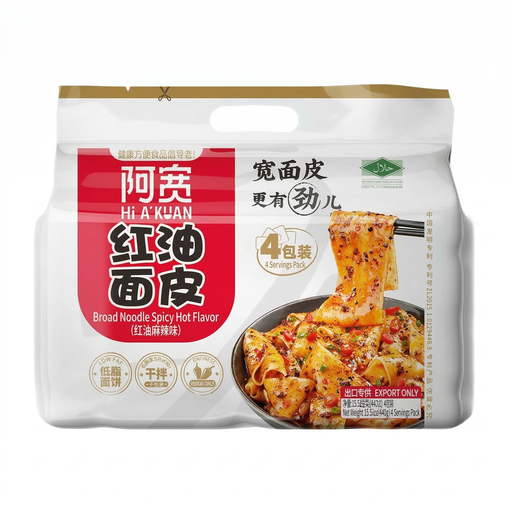
Why This Fits Their Persona: Perfect for professionals, students, or anyone seeking a quick yet flavorful meal. These spicy instant noodles are ready in minutes.
Instead of relying on a single chili oil, this product delivers a complete flavor package. The sauce is already perfectly balanced, avoiding the 'just heat' mistake.
The noodles are non-fried and have a pleasantly chewy texture. Preparation is straightforward: boil the noodles, drain, and mix with the ready-made sauce.
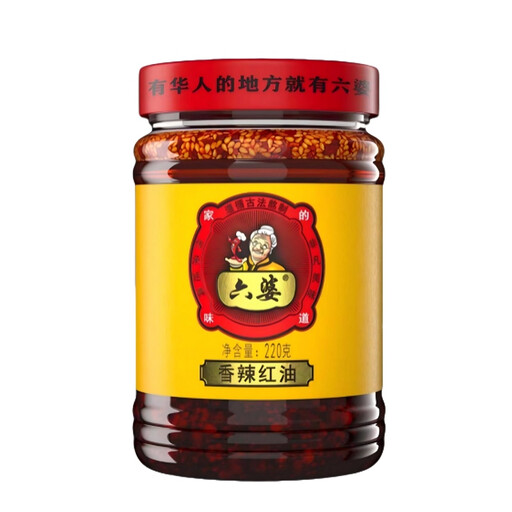
Why This Fits Their Persona: For anyone who wants a versatile spicy oil for dumplings, noodles, cold dishes, or as a dipping sauce. It's a ready-to-use finishing oil that adds the perfect touch to many meals.
This oil is aromatic without being overwhelmingly fiery. It delivers complex flavor from slow-infused chilis and spices, rather than just one-dimensional heat.
The high content of sesame seeds and the rich sediment of spices provide texture and a deep aroma. It's ready to use straight from the jar and requires no further preparation.
We've compiled a complete, up-to-date list of products that fully meet these strict selection criteria and local regulations.
The main difference lies in the "mala" effect. While most chili oils only rely on the heat of chilis, authentic Sichuan chili oil combines this heat (là) with the unique, numbing tingle of Sichuan peppercorns (má). Furthermore, it is often made by slowly infusing spices in oil, resulting in a more complex and aromatic profile.
Pixian Doubanjiang is a fermented paste made from broad beans, chilis, salt, and wheat flour, and is considered the "soul of Sichuan cuisine." It is not a ready-made sauce but a seasoning base. Typically, you fry a spoonful of it in hot oil before adding the other ingredients. This releases the aroma and gives dishes like Mapo Tofu, hot pot broths, or braised beef their characteristic color and deep umami flavor.
Once opened, chili oil should be stored in a cool, dry place away from direct sunlight. Storing it in the refrigerator is recommended to preserve the freshness of the aromas and extend its shelf life. Be sure to always use a clean spoon to avoid contamination. The oil may solidify in the fridge but will quickly return to a liquid state at room temperature.