
Lieferung heute & morgen

Qualitätsgarantie

Willkommens-Angebote freischalten: KOSTENLOSE Lieferung | Bis zu 80 % RABATT | Kostenlose 30-Tage-JoyPlus-Testphase
App herunterladen
Chinese glutinous rice balls, also known as Tangyuan, are a traditional sweet rice speciality in Chinese cuisine. They’re made with glutinous rice flour and filled with ingredients such as peanuts, black sesame, red bean paste, coconut or taro, depending on the variety. Frozen Tangyuan are readily available in Germany and can usually be cooked straight from the freezer.
However, it’s easy to make avoidable mistakes when shopping. Attractive packaging doesn’t tell you much about how much filling there is, which allergens are present or exactly how to cook the product. The criteria below will help you choose Chinese glutinous rice balls to suit your taste, household size and intended use.
Tangyuan are usually a dessert or sweet snack. Onigiri, on the other hand, are made with seasoned rice and often contain savoury ingredients such as chicken, kimchi or teriyaki. Korean rice products filled with bulgogi or bibimbap ingredients aren’t part of the traditional Tangyuan category either.
So, if you’re looking for a Chinese dessert, check for terms such as glutinous rice ball, sweet rice ball, Tangyuan or “filled glutinous rice balls”. A label that simply says “Rice Ball” isn’t enough.
“Sesame”, “peanut” or “red bean” describes the flavour, but doesn’t necessarily tell you how much filling the product contains. It may also contain sugar, vegetable oil, thickening agents or starch. The ingredients list gives you a more reliable indication than claims on the front of the pack.
The labelling is especially important if you have allergies or intolerances. For example, peanut fillings may contain peanuts and soya beans. Products with black sesame list sesame as an allergen; coconut varieties may also contain wheat starch.
Most frozen glutinous rice balls need to be stored at −18 °C or below. They shouldn’t be allowed to thaw completely and then be refrozen. Once opened, it’s best to seal the pack securely and use the rice balls soon. Always follow the instructions on the individual pack.
Nutritional values can vary considerably. For the products featured here, for example, the stated energy values range from 160 to 282 kcal per 100 g. It’s worth comparing the nutrition table, especially if you’re preparing several portions.
Packs of 180 to 200 g are suitable for a smaller household or for trying a new variety. Larger 300 to 400 g packs are more practical if you’re sharing with several people or often serve Tangyuan.
Mini glutinous rice balls are often sold without a filling. They’re smaller than classic Tangyuan, making them a good addition to desserts. For a clearly defined filling and a more traditional dessert experience, regular filled rice balls are a better choice.
Many products don’t need to be thawed first. They can be added straight to boiling water. Some Synear varieties have a stated cooking time of around 5 to 7 minutes. Classic Tangyuan usually float to the surface when they’re cooked through. Depending on the product, they may need a little longer to cook.
Important: frozen glutinous rice balls aren’t automatically ready to eat. China Town’s black sesame-filled product is explicitly described as a frozen raw product and must be cooked thoroughly. Mini glutinous rice balls should also be cooked thoroughly before eating.
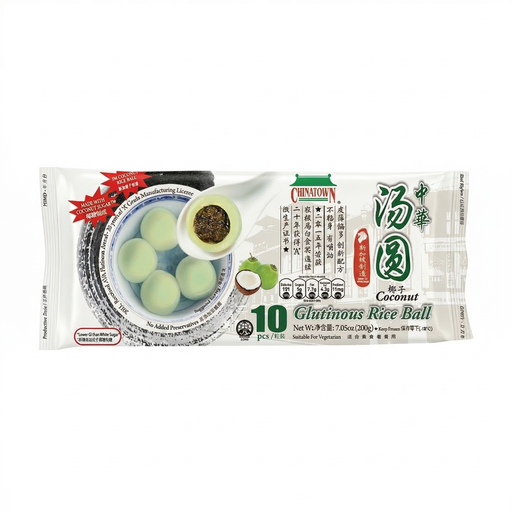
Why this product suits your needs: The 200 g pack is a manageable introduction to filled Tangyuan. Its coconut filling offers a different flavour from classic peanut or sesame varieties.
The ingredients list clearly names coconut and wheat starch, so you can check the flavour and allergens before buying.
200 g pack; according to the product information, suitable for cooking in water and serving in sweet soups.
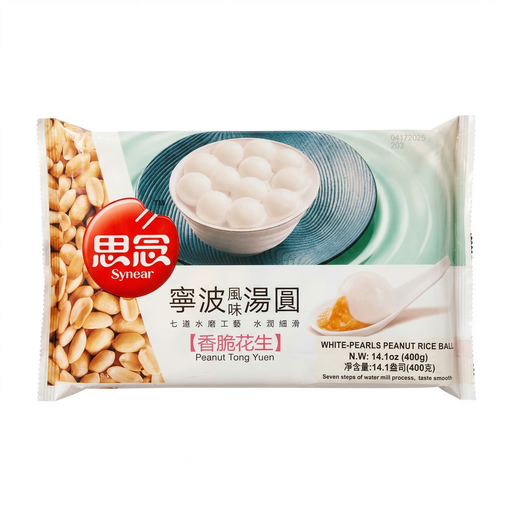
Why this product suits your needs: The larger pack is designed for households looking for classic Ningbo-style Tangyuan with peanut filling to serve across several portions.
The stated cooking time of 5 to 7 minutes and storage instructions of at least −18 °C make it easy to know what to do.
400 g pack; 282 kcal per 100 g according to the product information; allergens: peanuts and soya beans.
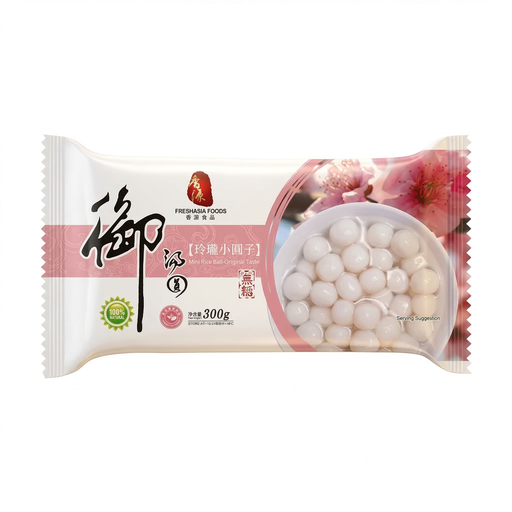
Why this product suits your needs: These unfilled mini glutinous rice balls are ideal for making your own desserts, sweet soups and ginger syrup.
The product is clearly labelled as having no filling. You won’t be expecting filled Tangyuan, and can use the rice balls as a base for your desserts.
300 g pack; no declared allergens according to the product information; suitable for a range of sweet dishes.
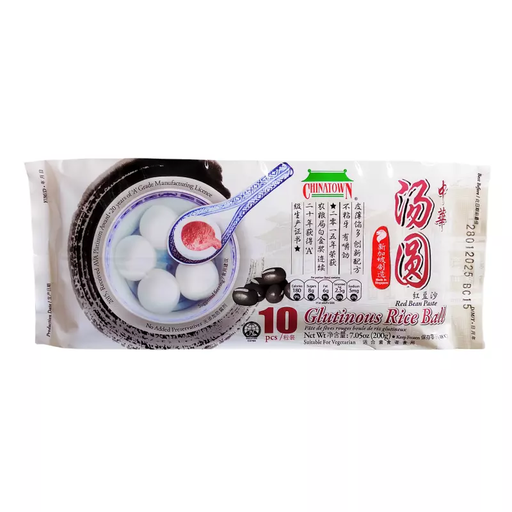
Why this product suits your needs: Red bean paste is a traditional filling for a warm Chinese dessert, and these rice balls can be cooked without thawing first.
The product information explicitly says to cook from frozen and states that no allergens are declared.
200 g pack; red bean paste; according to the product information, suitable for sweet soups and fermented rice.
We’ve put together a complete, regularly updated list of products that meet these strict selection criteria and fully comply with the safety regulations in force in the EU.
Frozen Tangyuan are usually added straight to boiling water. Depending on the product, the cooking time is around 5 to 7 minutes. The rice balls are often cooked when they float to the surface, but always follow the instructions on the pack.
Many products don’t need to be thawed first. Thawing them beforehand can damage their delicate outer layer. Check the manufacturer’s instructions and cook frozen glutinous rice balls straight from the freezer if that’s what the packaging recommends.
The best-before date is printed on the pack. If stored continuously at −18 °C or below, the products should keep until that date. Once opened, they should be sealed securely and used soon.