
Lieferung heute & morgen

Qualitätsgarantie

Willkommens-Angebote freischalten: KOSTENLOSE Lieferung | Bis zu 80 % RABATT | Kostenlose 30-Tage-JoyPlus-Testphase
App herunterladen
Chinese vegetarian meat snacks often combine soya, wheat gluten or konjac with bold seasoning. The range includes everything from smoky BBQ and pepper to cumin and Sichuan-style mala. There’s plenty to interest vegetarians, vegans and fans of Chinese snacks – but the variety can make it tricky to compare products.
A striking product name alone tells you little about the ingredients, nutritional values or how suitable a snack really is for everyday use. If you’re looking to buy plant-based meat alternatives, take a close look at the packaging and check how the product is intended to be eaten.
A soya- or wheat-based product may appear plant-based, but that doesn’t mean it’s certified vegan. Seasoning mixes, flavourings and processing information may also be relevant. If you follow a vegan diet, look for clear vegan labelling and check the ingredients list.
Many products also contain soya and wheat or gluten. If you have allergies or intolerances, the allergen information is key. Sesame may also be present, for example in some spicy soya snacks.
Protein figures are generally given per 100 grams. A smaller individual pack will contain less protein. A snack with 20 grams of protein per 100 grams would provide around 12 grams in a 60-gram pack – assuming the nutrition information applies to that particular product.
Fat and salt levels can also vary considerably, so it’s best not to look at the protein figure in isolation.
Names such as ‘vegetarian beef strips’, ‘steak’ or ‘beef’ usually describe the shape, seasoning or bite. The texture may be fibrous, chewy, soft, puffed or konjac-based. If you’re expecting a dry, chewy snack, a soft tofu snack may disappoint – and vice versa.
Soya protein and puffed soya products often have a fibrous or firm texture. Wheat gluten can give a snack more bite, but it’s unsuitable for anyone with a gluten intolerance. Konjac products tend to have a smoother, more elastic texture and may contain considerably less protein.
So check:
The nutrition table makes it easier to compare products fairly. For example, some of the products in this selection contain around 20 to 28 grams of protein per 100 grams. Salt levels also vary considerably, and some recipes contain more than 2 grams per 100 grams.
If you’re looking for a high-protein snack, check both the protein content and the serving size. If you eat it regularly, you should also consider salt, fat and energy. ‘Vegetarian’ or ‘vegan’ doesn’t automatically mean a product is nutritionally balanced overall.
A ready-to-eat snack is handy for the office, a trip or a film night if you can eat it straight from the pack. If you choose a resealable or larger pack, it’s important to store it correctly once opened. Some products need to be refrigerated and eaten soon after opening.
Individually wrapped portions are easier to take with you. To compare value, check the price per 100 grams rather than just the price per pack.
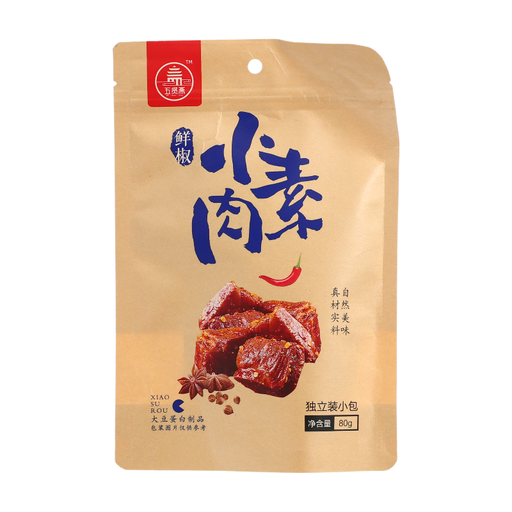
Why it suits this shopper: The 80-gram pack is an easy way to try spicy vegetarian meat snacks, with a fresh chilli note and a firm, meat-like texture.
The product information clearly lists the ingredients, allergens, protein content and pack size. This makes it easy to compare with similar products before buying.
22,5 g of protein and 162 kcal per 100 g. Ready to eat. Contains soya and wheat.
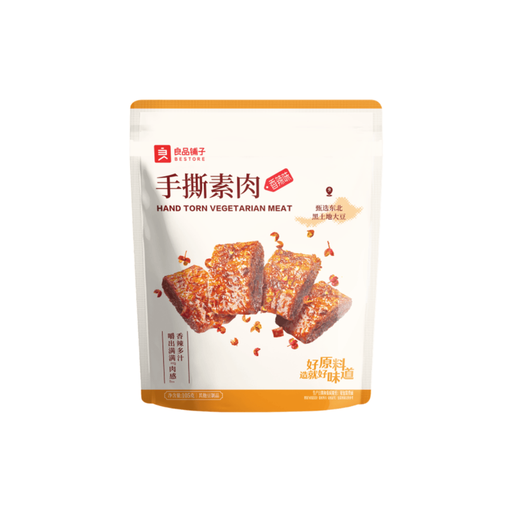
Why it suits this shopper: Its hand-torn, fibrous texture and combination of chilli and cumin will appeal if you want to choose your snack’s texture and seasoning carefully.
The product description specifies its fibrous texture and its soya protein and wheat base. The 7 small packs make it easier to control portions.
20 g of protein per 100 g and 105 g total weight. Ready to eat, seasoned with chilli and cumin.
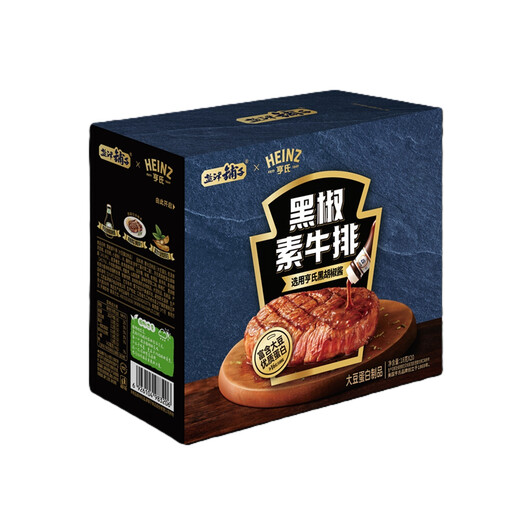
Why it suits this shopper: The 20 individually wrapped portions are ideal for the office, a trip, a walk or a film night when you want a snack that’s easy to take with you.
The portion size is clearly stated, so regular snackers don’t have to store a large opened pack for several days.
18 g per individual pack, 20 portions in total and 16,7 g of protein per 100 g. Peppercorns and pepper sauce give it its distinctive flavour.
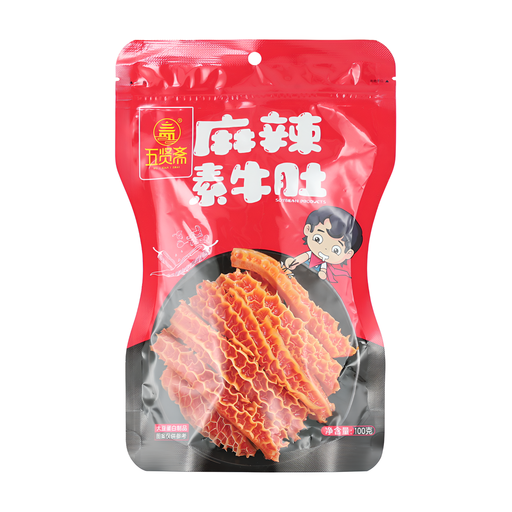
Why it suits this shopper: The combination of chilli and Sichuan pepper is made for fans of classic mala snacks, with an elastic konjac texture.
The product information specifically lists konjac flour and just 0,8 g of protein per 100 g. This helps you distinguish its texture from that of a high-protein soya snack.
100-g pack, 68 kcal and 2,5 g of salt per 100 g. The focus is on mala seasoning and konjac texture, rather than a high protein content.
We’ve put together a complete, regularly updated list of products that meet these strict selection criteria and fully comply with the safety regulations in force in the EU.
Not every vegetarian meat snack is automatically confirmed as vegan. Check the ingredients list, allergen information and any vegan labelling. Soya and wheat are common bases, but recipes may combine them with other ingredients.
The exact shelf life is stated on the packaging. Unopened, dry products are usually stored in a cool, dry place. Depending on the product, it may need to be refrigerated and eaten soon after opening. Always follow the instructions from the manufacturer.
According to the product information mentioned above, several soya snacks contain around 20 to 28 grams of protein per 100 grams. Wuxianzhai Vegetarian Beef Tripe Snack Mala Flavour is an exception, with 0,8 grams of protein per 100 grams, as it’s made with konjac. Always compare the nutrition table and the actual serving size.