
Lieferung heute & morgen

Qualitätsgarantie

Willkommens-Angebote freischalten: KOSTENLOSE Lieferung | Bis zu 80 % RABATT | Kostenlose 30-Tage-JoyPlus-Testphase
App herunterladen
Chocolate coffee combines the taste of coffee with cocoa, milk ingredients or a sweet chocolate note. Depending on the product, you can make it as an instant cappuccino, coffee with chocolate, mocha coffee, capsule drink or drinking chocolate. There are different formats to choose from for home, the office and on the go.
However, a product name alone tells you little about its taste, caffeine content, number of servings or how it is actually prepared. If you buy based only on the brand or packaging, it’s easy to overlook important details.
With instant chocolate cappuccino, sugar is often the first ingredient on the list. For example, according to the product information, Jacobs Cappuccino Choco Milka Instant Coffee 400 g contains 50% sugar, while the proportion of instant coffee is 4.7%. It’s therefore more of a sweet coffee and cocoa drink than a strong black coffee with cocoa.
If you’re looking for a pronounced coffee flavour, compare the coffee content and cocoa content. Milk powder, coconut fat, glucose syrup and flavourings can also affect the texture and taste of a chocolate cappuccino.
Chocolate coffee capsules won’t necessarily fit every machine. According to the product description, Lavazza Coffee Capsules Gourmet Chocolate are designed for Nespresso Original machines. Jacobs Tassimo Milka Hot Chocolate Capsules, on the other hand, require a Tassimo system. Senseo Choco Pads are designed for a Senseo pod machine.
Before buying, check your specific machine system, the serving size and the intended drink outlet. A cheap pack isn’t much use if the capsules or pods aren’t compatible with your machine.
Not every product that looks like coffee contains coffee. According to the product information, Senseo Coffee Pads Milka Chocolate Pads are described as a cocoa drink with no coffee. Drinking chocolate such as Nestlé Chococino isn’t a coffee product either.
Conversely, instant coffee with chocolate, cappuccino mixes and some mocha drinks do contain caffeine. If you’re sensitive to caffeine, check the label and bear the serving size in mind.
Always compare the information per 100 g and, where available, per serving. The most relevant details include:
An instant chocolate cappuccino made with 15 g of powder is portioned differently from a 26 g T-Disc for a 190 ml drink. Figures per 100 g are therefore only useful when considered alongside the actual serving size.
Milk is listed as an ingredient in many creamy coffee and cocoa products. Jacobs Milka Chocolate Cappuccino Instant Coffee Sticks also list soya and hazelnuts as allergens or possible traces. Jacobs Tassimo Milka Hot Chocolate Capsules contain milk and soya.
Always check the latest packaging information before buying. Recipes and packaging can change. Even products with no allergens that have to be declared may contain traces of other ingredients.
Powder in 400 or 500 g packs is suitable for regular consumption and can be portioned flexibly. According to the instructions, Krüger Family Chocolate Cappuccino is made with around 15 g of powder and 150 ml of hot, but not boiling, water. A 500 g pack therefore works out at around 33 servings, depending on how much you use.
Single-serve sticks are handy for your desk, when travelling or in the office kitchen. Capsules and pods save you measuring out portions, but usually cost more per cup in packaging and product costs than a bulk pack. To compare prices, look at the pack price, number of servings and recommended drink size.
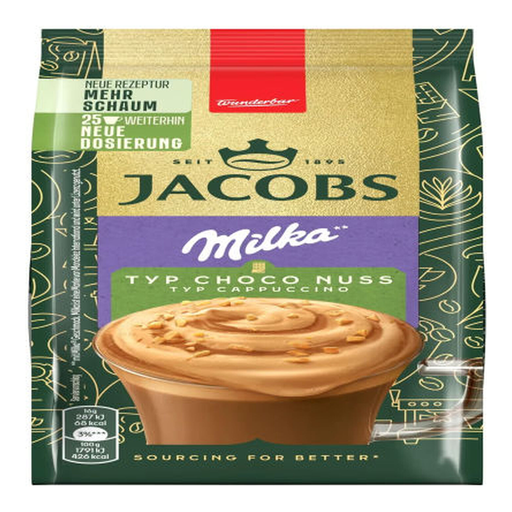
Why this product suits this profile: You can make this bulk pack with hot water, without a machine. It’s suitable for making several cups at home or in the office.
The ingredients and nutritional information make the high sugar content and relatively low coffee content clear. This makes it easier to know what to expect in terms of sweetness and coffee strength.
400 g pack, instant preparation and milk listed as an ingredient.
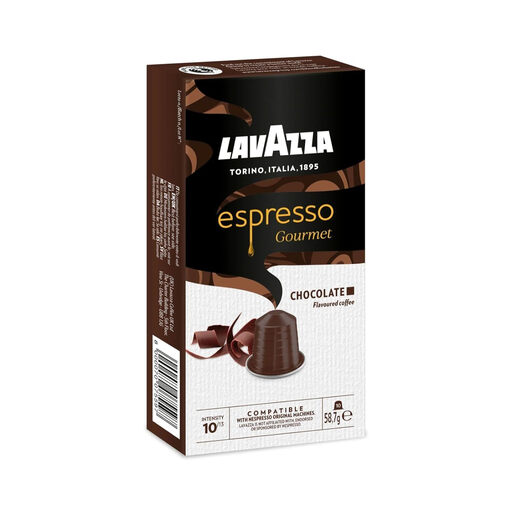
Why this product suits this profile: This format is for users of a compatible Nespresso Original machine who prefer coffee with a natural chocolate note.
The stated machine compatibility helps you avoid buying the wrong product. The ingredients list also consists of roasted and ground coffee, rather than a cappuccino powder mix.
10 aluminium capsules, medium roast and a stated intensity of 10/13.
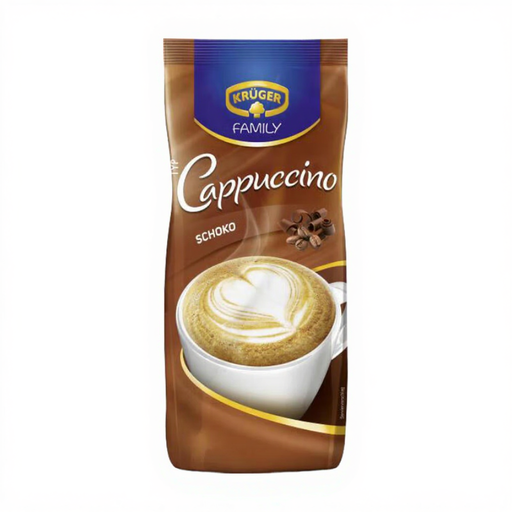
Why this product suits this profile: The 500 g pack is designed for regular use and is suitable for the home or office kitchen.
The clear instructions specify 3–4 slightly heaped teaspoons and 150 ml of hot, but not boiling, water. This makes it easier to measure out a consistent serving.
500 g pack, 7% instant coffee, 5% low-fat cocoa powder and milk listed as an allergen.
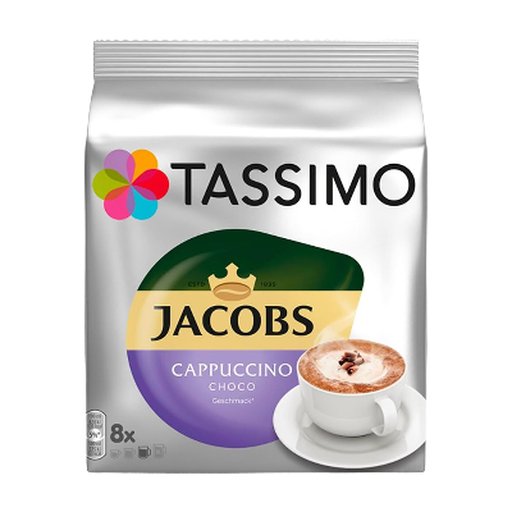
Why this product suits this profile: These T-Discs are designed to make a quick single serving in a Tassimo machine. Each disc makes a 190 ml drink, according to the product information.
The product is clearly identified as a Tassimo T-Disc. Milk and soya are also listed as allergens, helping those affected make an informed choice.
8 servings with a set drink size and machine preparation.
We’ve put together a complete, regularly updated list of products that meet these strict selection criteria and fully comply with the safety regulations in force in the EU.
For instant chocolate coffee, use hot, but not boiling, water. Excessively high temperatures can affect the flavour and the way the foam forms. With sticks, you can usually just stir the contents straight into your cup. Use capsules and pods according to the instructions for your machine.
Once opened, keep packs of powder in a cool, dry place and seal them tightly. Moisture often causes the powder to clump. Also check the best-before date on the packaging. Capsules and pods are protected as individual servings, but don’t use any with damaged packaging.
No. Products containing instant coffee, espresso or coffee extract usually contain caffeine. Drinking chocolate and pure cocoa pods, on the other hand, may contain no coffee. Check the ingredients list and safety information for the specific product.
It depends on the product. Krüger Family recommends around 150 ml of water for about 15 g of powder. According to the product information, Jacobs Tassimo Milka T-Discs are designed to make a 190 ml drink. Always follow the preparation instructions for the product you’re using.
It depends on the pack price, serving size and how much you use. Powder packs are often suitable for flexible portioning and making lots of servings. Capsules and pods offer standardised preparation, but can cost more per drink. Always compare the price per serving, not just the total pack price.