
Lieferung heute & morgen

Qualitätsgarantie

Willkommens-Angebote freischalten: KOSTENLOSE Lieferung | Bis zu 80 % RABATT | Kostenlose 30-Tage-JoyPlus-Testphase
App herunterladen
Irritated skin, unwanted redness, or a compromised skin barrier—in these moments, many people reach for a Cica mask. The active ingredient Centella Asiatica, also known as Tiger Grass, is a cornerstone of Korean skincare and is prized for its soothing properties. However, the market is crowded, and not every product delivers on its promises. Before you make a purchase, it's crucial to understand the common pitfalls to make an informed choice for your skin.
Choosing a suitable mask can be complicated. Marketing terms often obscure what's really inside the product. Pay attention to these three points to avoid disappointment.
To make the right choice, you should focus on objective criteria. These three parameters will help you separate the wheat from the chaff.
The term "Cica" stands for Centella Asiatica. An effective Centella Asiatica mask ideally contains not only the pure plant extract but also its isolated, highly effective components. Look for these four key molecules on the INCI list:
Products that list these specific components often offer a more targeted and intensive effect than those that only mention "Centella Asiatica Extract."
A good soothing face mask doesn't rely on a single ingredient. Synergy with other active ingredients is crucial to strengthen the skin barrier and provide the skin with long-term benefits. Look for formulations that also include:
The sheet mask material plays a significant role in the delivery of active ingredients. Common materials include:
A good fit that precisely avoids the eye and mouth areas and adheres to the entire face is essential for optimal results.
Based on the criteria mentioned, we have identified several products suitable for different needs and user profiles.
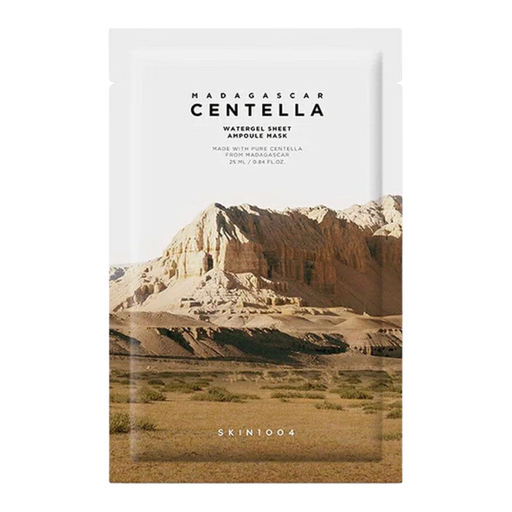
Why This Fits Their Persona: Ideal for those seeking a straightforward yet effective solution for sensitive skin. The formula focuses on one main active ingredient, making it a great entry point into the world of Korean skincare.
The mask relies on a high concentration (51% according to the manufacturer) of a high-quality Centella Asiatica extract from Madagascar and avoids an overloaded INCI list. The watergel material ensures good adhesion and prevents rapid evaporation.
High concentration of Centella Asiatica for intensive soothing. Also contains a complex of various hyaluronic acids for deep hydration.
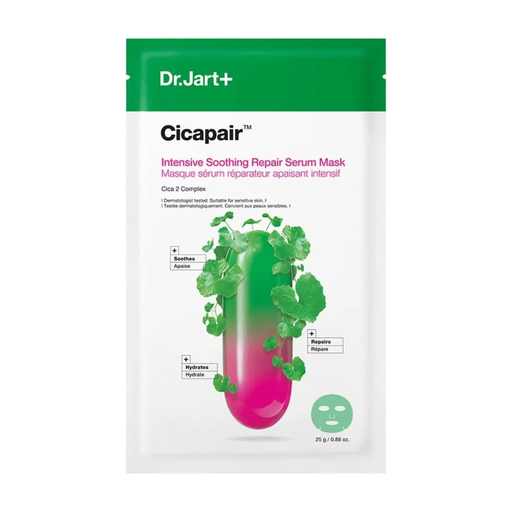
Why This Fits Their Persona: Suitable for individuals who need a fast and targeted SOS treatment for severely irritated skin or acute redness. The Dr. Jart+ Cicapair brand is known for its repair-focused formulations.
This mask explicitly lists the active components of Centella Asiatica (Asiaticoside, Madecassic Acid, Asiatic Acid), going beyond a simple extract claim. The formulation is designed for intensive repair.
Contains a complex of Centella Asiatica leaf extract and its active molecules. Additional niacinamide and panthenol help strengthen the skin barrier.
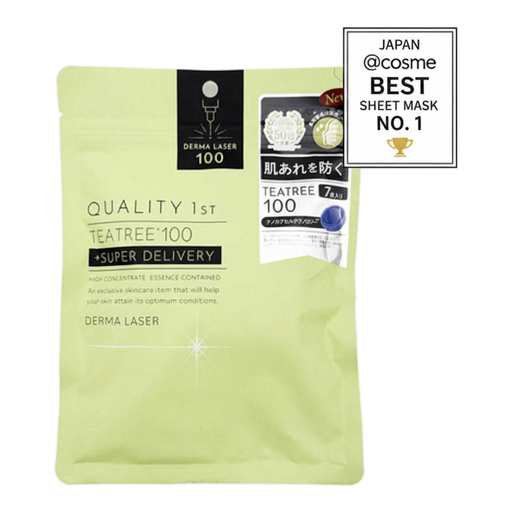
Why This Fits Their Persona: Perfect for users interested in innovative technologies. This Japanese mask uses a special delivery system to transport active ingredients deeper into the skin.
The focus here is not just on the ingredients (the formula contains tea tree and Centella Asiatica Extract), but on the "Derma Laser" nanocapsule technology. This addresses the problem of poor ingredient penetration.
Advanced nanocapsule delivery system for fast and deep penetration. The formula is preservative-free and designed for quick application in just 3 minutes.
While Cica masks are excellent for soothing and strengthening the skin barrier, those who also struggle with excess sebum and impurities may need a more targeted solution.
If you're specifically looking for solutions for oily skin, we've compiled a list of products that fully meet these strict selection criteria and EU safety regulations.
1. How often should you use a Cica mask? The frequency of use depends on your individual skin condition and the specific product. As a general guideline, using it 1 to 3 times a week is recommended to continuously support the skin barrier. For acute irritation, daily use over a short period of a few days may be beneficial. However, always follow the manufacturer's instructions on the packaging.
2. Can a Cica mask help with acne? Centella Asiatica has anti-inflammatory properties that can help reduce the redness and swelling associated with acne. Therefore, a Tiger Grass mask can be a very good supportive measure in a skincare routine for acne-prone skin, especially for strengthening the often-disrupted skin barrier. However, it is not a primary treatment for acne itself.
3. What is the difference between a Cica mask and a regular moisturising mask? While both types of masks provide hydration, the main focus of a Cica mask is on actively soothing the skin. It is specifically formulated to relieve irritation, reduce redness, and support the skin's own repair processes. A conventional moisturising mask primarily focuses on increasing the skin's water content, without necessarily having a specific soothing or repairing effect.