
Lieferung heute & morgen

Qualitätsgarantie

Willkommens-Angebote freischalten: KOSTENLOSE Lieferung | Bis zu 80 % RABATT | Kostenlose 30-Tage-JoyPlus-Testphase
App herunterladen
Coconut water is often marketed as a natural alternative to fizzy drinks, juices or traditional sports drinks. However, not every bottle contains 100% pure coconut water. Terms such as “tropical”, “natural” or “with electrolytes” may appear prominently on the front, while the crucial information is only revealed in the ingredients list.
When choosing a product, the specific recipe, sugar content, serving size and storage requirements matter more than the packaging design. The following criteria can help you avoid unnecessary disappointments and choose coconut water for drinking that suits your everyday routine.
A coconut-flavoured product does not necessarily consist of pure coconut water. Some drinks contain only a certain proportion of coconut water, along with added water, sugar, coconut flesh or acidity regulators. For example, Mogu Mogu Blackcurrant Flavor Coconut Drink contains 25% coconut water. The drink also contains sugar, fruit pieces and artificial colourings.
If you are looking for natural coconut water, check the ingredients list for a recipe that is as short as possible. “Coconut water (100%)” is a clearer indication than a general reference to coconut flavour.
Coconut water naturally contains sugar. A product labelled coconut water with no added sugar may therefore still show carbohydrates and sugar in its nutritional information. The key question is whether sugar, syrup or other sweeteners have been added to the ingredients list.
According to the product information, Bamboo Tree Coconut Water and Chaokoh 100% Pure Coconut Water are made exclusively from coconut water. FOCO Coconut Juice and roasted coconut juice, on the other hand, contain added water, sugar, coconut flesh and citric acid. These drinks may have a stronger flavour or richer texture, but they should not be confused with pure coconut water.
Coconut water in a Tetra Pak can generally be stored at room temperature while unopened. Once opened, however, it must be kept in the fridge. The recommended consumption period varies by product: Chaokoh states up to seven days, while Bamboo Tree and UFC recommend consuming it within three days.
For one person, a 1-litre pack may therefore be less practical than 320 or 500 ml. A large pack of coconut water is particularly worthwhile if several people drink it regularly or if the packs are to be shared between the office, home or gym.
First, check the order and number of ingredients. For pure coconut water, the list should ideally contain only “coconut water”. Products containing coconut puree, sugar, coconut flesh or acidity regulators are more likely to fall into the coconut juice or coconut drink category.
The origin may also be relevant. Thai coconut water such as Chaokoh, UFC or King Island is sourced from Thailand according to the respective product information. FOCO Coconut Water 1000 ml is described as originating from Indonesia. Origin alone says nothing about quality, but it provides additional guidance if you have a particular flavour profile in mind.
Coconut water is often marketed as coconut water with electrolytes. Check whether specific values are given for potassium, magnesium, calcium or manganese. Chaokoh lists, among other values, 149 mg of potassium, 6.49 mg of magnesium and 11.5 mg of calcium per 100 ml. UFC states 211 mg of potassium and 0.17 mg of manganese per 100 ml.
These figures describe the drink’s nutritional composition. They are not automatically a medical claim and do not replace personalised nutritional advice. If you want to drink coconut water after exercise, also bear in mind that it is not a complete substitute for water, a meal or a specially formulated sports drink.
Smaller formats such as 320, 330 or 500 ml are ideal for taking with you. At home, 1-litre packs may be more practical in the fridge. Multipacks are a good choice for offices, families or regular users, for example UFC Coconut Water 12 x 500 ml, Bamboo Tree Coconut Water 12 x 1L or Vita Coconut Water Pure 6 x 1L.
Depending on the manufacturer, unopened UHT or sterilised products may not need to be refrigerated. Do not use damaged or swollen packaging. Once opened, always follow the instructions on the relevant label.
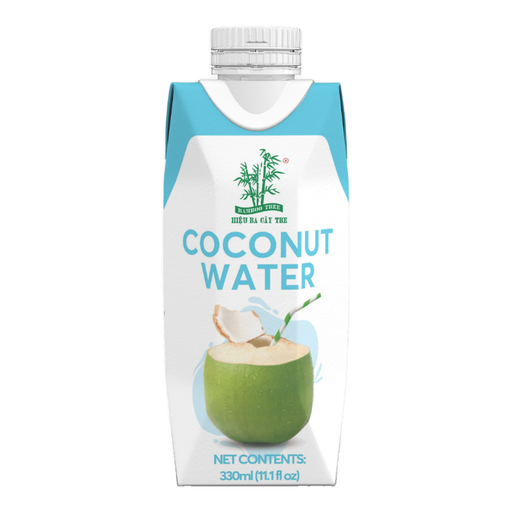
Why this product suits this profile: The smaller format is ideal for trying coconut water for the first time, keeping in the fridge or taking with you. According to the product information, the recipe consists of 100% coconut water.
The ingredients list contains no added sugar, artificial additives or preservatives.
100% coconut water according to the product description; can be stored at room temperature while unopened.
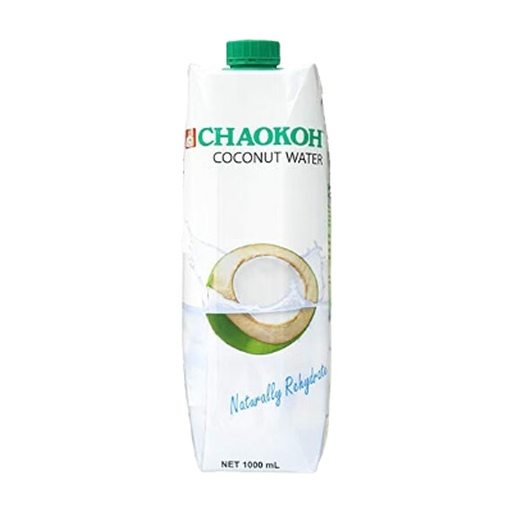
Why this product suits this profile: The 1-litre pack is aimed at shoppers who want to compare ingredients, nutritional information and origin carefully before buying.
The product information lists coconut water as the only ingredient and states that there are no added sweeteners, preservatives or artificial additives.
Origin: Thailand; 20 kcal and 4.2 g of sugar per 100 ml according to the nutritional information; Halal- and Kosher-certified according to the product description.
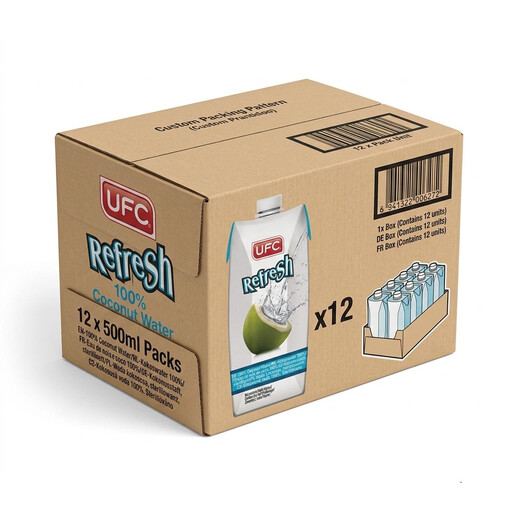
Why this product suits this profile: The multipack is ideal for households, offices and regular users who want to keep individual 500 ml portions readily available.
Individual portions reduce the risk of an opened litre sitting in the fridge for too long. The recipe is stated to contain 100% coconut water.
12 x 500 ml; according to the nutritional information, 22 kcal, 4.5 g of sugar and 211 mg of potassium per 100 ml.
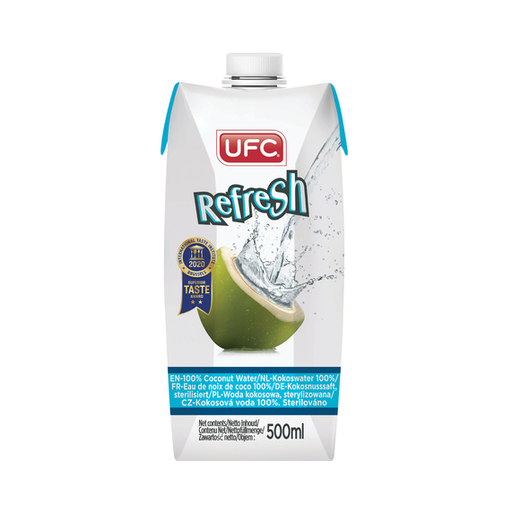
Why this product suits this profile: The handy pack is easy to portion and enjoy chilled after training or while out and about.
The product description specifies a clear ingredient base with no added sugar, colourings or preservatives.
500 ml Tetra Pak; UHT-treated; according to the product information, 211 mg of potassium per 100 ml.
We have put together a complete, regularly updated list of products that fully meet these strict selection criteria and the safety regulations applicable in the EU.
No. Coconut water naturally contains sugar. “No added sugar” means that no additional sugar has been added. For a direct comparison, check the “of which sugars” figure per 100 ml and the ingredients list.
It depends on the product. Chaokoh states that it can be kept in the fridge for up to seven days, while Bamboo Tree and UFC recommend consuming it within three days. With smaller packs, it is generally easier to stay within the stated timeframe. The information on the packaging remains the deciding factor.
Coconut water can be enjoyed after exercise and, depending on the recipe, provides potassium and other minerals. However, it does not automatically contain all the components of a sports drink. During longer or particularly intense sessions, you should take your fluid requirements, fluid lost through sweating and individual diet into account.