
Lieferung heute & morgen

Qualitätsgarantie

Willkommens-Angebote freischalten: KOSTENLOSE Lieferung | Bis zu 80 % RABATT | Kostenlose 30-Tage-JoyPlus-Testphase
App herunterladen
Choosing a new cooktop can be more complex than it first appears. Whether you're redesigning an entire kitchen, replacing an old appliance, or seeking a portable cooking solution for a small apartment, your decision will directly impact your daily cooking routine. Many buyers are confronted with exaggerated marketing claims and technical specs that confuse more than they clarify. This guide is designed to help you understand the essential criteria and avoid common pitfalls.
Before we dive into the technical details, let's look at three common problems that can lead to dissatisfaction and unexpected costs:
To make an informed decision, you should focus on the following three core aspects. These are crucial in determining the functionality, safety, and efficiency of your future cooktop.
The choice of heating technology is the most fundamental decision. Each has specific advantages and disadvantages.
For built-in kitchens, there are two basic configurations:
The standard width for most cooktops is 60 cm. However, wider models (e.g., 80 or 90 cm) are available for larger kitchens, as are narrower versions (approx. 30 cm) for single-person households. Always measure the exact cutout dimension in your countertop before purchasing.
Instead of being dazzled by complex automatic programs, focus on features that genuinely make daily cooking easier and safer:
Here are a few models that represent a considered choice based on objective features for different user profiles and requirements.
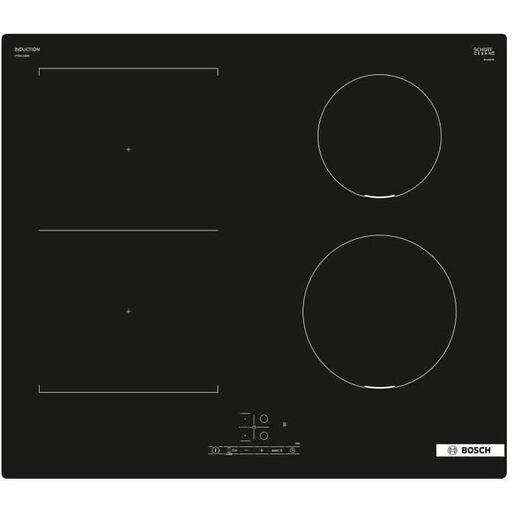
Why it's a good fit: This self-sufficient 60 cm induction cooktop is a solid choice for anyone looking to upgrade their kitchen with a reliable and efficient appliance. It focuses on core functions that speed up and simplify the cooking process.
It forgoes expensive smart home integrations and focuses on field-tested features like the PowerBoost function. The standard 60 cm dimensions ensure high compatibility with existing kitchen layouts.
The PowerBoost technology delivers up to 35% faster heating, according to the manufacturer. The TouchSelect control allows for direct and simple selection of cooking zones and power levels.
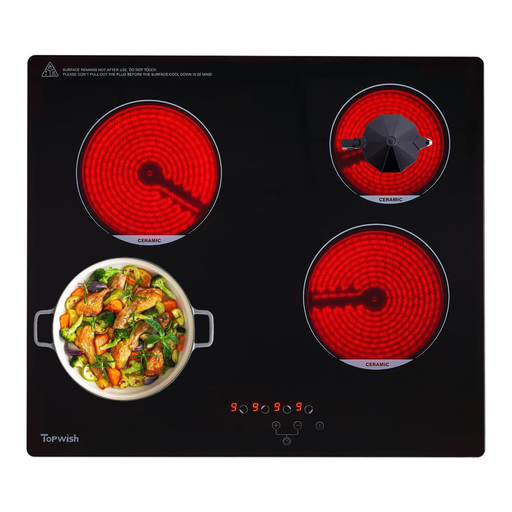
Why it's a good fit: For renters, landlords, or homeowners on a fixed budget, this ceramic cooktop offers a functional and modern solution. It features four cooking zones, touch controls, and essential safety functions.
As a ceramic cooktop, it completely bypasses the incompatibility trap, as it works with any existing pot or pan. This saves you the hidden cost of new cookware.
Offers modern features like a 99-minute timer, a child lock, and a residual heat indicator at an accessible price point. The scratch-resistant glass-ceramic surface is easy to clean.
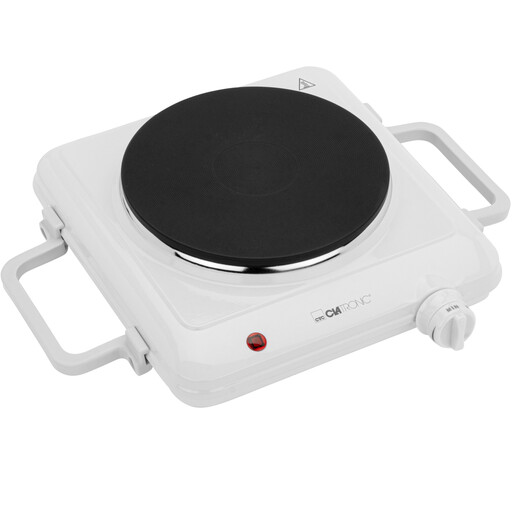
Why it's a good fit: This single, portable hot plate is the definition of flexibility. It's ideal for use in the office, a garden shed, while camping, or as an emergency cooking station. No installation is required—just plug it in and start cooking.
This appliance completely avoids the pitfalls of incorrect dimensions and complex installation. As a simple electric hot plate, it is also compatible with absolutely any cookware, requiring no further investment.
Compact design and low weight for high portability. The infinitely variable thermostat allows for simple and intuitive heat control. The heat-resistant coating and overheat protection ensure durability and safety.
We have compiled a complete, up-to-date list of products that fully meet these strict selection criteria and safety regulations.
An induction cooktop is generally more energy-efficient than a ceramic cooktop. Because heat is generated directly in the base of the pot, less energy is lost to the surroundings. Heating times are shorter, which reduces the total energy consumption per cooking session. Ceramic cooktops must first heat the glass-ceramic surface and then the pot, leading to higher energy losses. The exact savings depend on usage habits and specific appliances but can be in the range of 20–30%.
Installing a cooktop involves working with your home's electrical system and requires a high-voltage connection. For safety and insurance reasons, this work should only be performed by a qualified electrician. An improper connection can lead to appliance damage, short circuits, or even fires. While placing the cooktop into the prepared countertop cutout is straightforward, the electrical connection is not.
The lifespan of a cooktop depends on the quality of the appliance, frequency of use, and how well it is maintained. Generally, you can expect a brand-name appliance to have an average lifespan of about 10 to 15 years. Regular cleaning of the surface with appropriate products and avoiding hard impacts or boiling over sugary liquids can extend the life of the glass-ceramic surface.