
Lieferung heute & morgen

Qualitätsgarantie

Willkommens-Angebote freischalten: KOSTENLOSE Lieferung | Bis zu 80 % RABATT | Kostenlose 30-Tage-JoyPlus-Testphase
App herunterladen
A cordless hedge trimmer can make caring for hedges and shrubs much more flexible than using a corded model. There is no power cable in the working area, and many models operate relatively quietly. However, devices vary considerably in cutting capacity, runtime, weight and battery systems. An electric hedge trimmer that seems inexpensive at first glance may therefore prove impractical if it is too weak for the branches you need to cut or the battery needs recharging after a short time.
Figures such as 21 V or 24 V initially describe the electrical system voltage. Practical performance also depends on the motor design, stroke rate, gearing and blade geometry. A battery-powered hedge trimmer should therefore not be chosen based on voltage alone.
The stated cutting capacity is more important. This shows the maximum branch diameter the device is designed to handle according to the manufacturer. Thin shoots and regular shaping require different performance from woody, older branches.
A hedge trimmer with a 51 cm blade can be efficient when cutting longer hedges in a straight line. At the same time, a longer blade increases the weight at the front and can make handling more difficult when working on small shrubs or in awkward areas. A more compact design may be better suited to narrow hedges, finishing touches and work close to the ground.
Battery capacity is generally given in Ah. A 2.0 Ah battery may last longer when carrying out light shaping than when continuously cutting thick branches. Outdoor temperature, battery condition and the pressure applied to the blade also affect runtime.
With a hedge trimmer with two batteries, a swappable battery system can reduce interruptions while working. However, it is important to check whether both batteries are actually included and whether they need to be charged separately.
The cutting capacity should match the plants in your garden:
A hedge trimmer for shrubs and hedges should also have a sufficiently long, sturdy blade unit. Double-sided blades can help produce an even cut across straight surfaces. Proper care is essential for a long service life: remove plant debris after use and lightly oil the blades according to the manufacturer’s instructions.
A brushless motor operates without conventional carbon brushes. By design, this can reduce wear on this component and contribute to efficient operation. The actual performance still depends on the individual model.
A lightweight hedge trimmer is particularly comfortable when working above shoulder height or for extended periods. In addition to the tool’s own weight, check the weight of the fitted battery. Low vibration levels can make handling more comfortable, but they do not replace taking breaks or maintaining a safe working position.
Look for a safety switch, an easy-to-reach handle and a secure battery lock. Remove the battery before cleaning, adjusting or transporting the tool. Safety glasses and suitable gloves are advisable when working. Avoid wet hedges, rain and damp storage locations unless the product instructions permit such use.
If you already own cordless tools, check compatibility carefully. The description “compatible with Makita tools” or belonging to a 24 V system does not automatically mean that every battery you own can be used. The design, contacts, charger and system generation must match.
The following models differ significantly in their intended use and features. This makes it easier to base your choice on your own hedge rather than on general advertising claims.
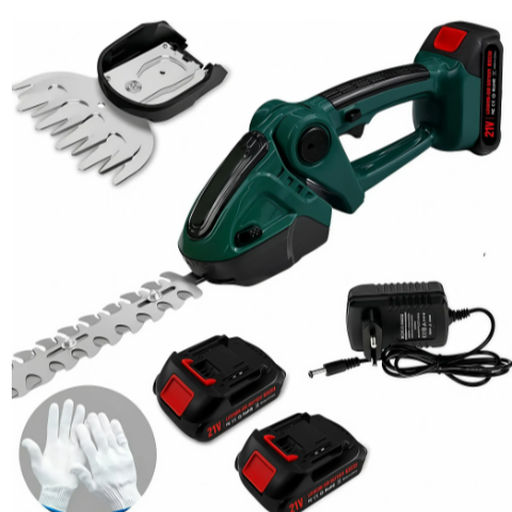
Why this product suits this profile: The 21 V cordless hedge trimmer is designed for private gardens with light to medium cutting tasks. The two stated 2000 mAh batteries can make it easier to change batteries during use.
The stated 19 mm cutting capacity makes the intended area of use clearer than a voltage figure alone. The adjustable head with eight positions supports different working postures.
19 mm cutting capacity, 21 V, eight-position adjustable head, plus a design described as lightweight and quiet.
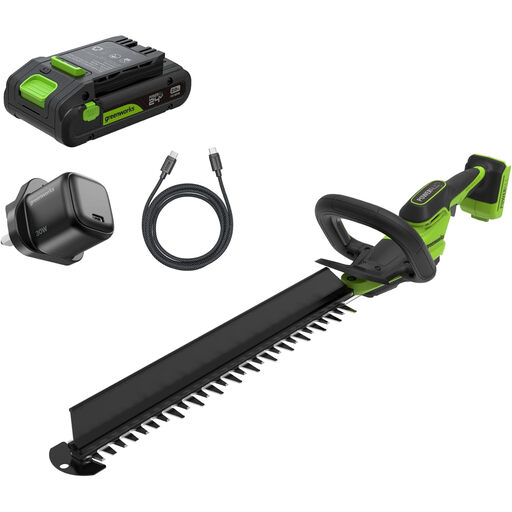
Why this product suits this profile: The combination of a 51 cm blade, 28 mm cutting capacity and brushless motor is designed for larger hedges and thicker shrubs. The battery belongs to the Greenworks 24 V system.
The specific figures of 28 mm cutting capacity and 4,000 strokes per minute indicate the intended performance range. The stated runtime of up to 25 minutes should be taken into account when planning your work.
51 cm double-sided blades, 28 mm cutting capacity, brushless 24 V motor, 2.0 Ah battery and USB-C charger.
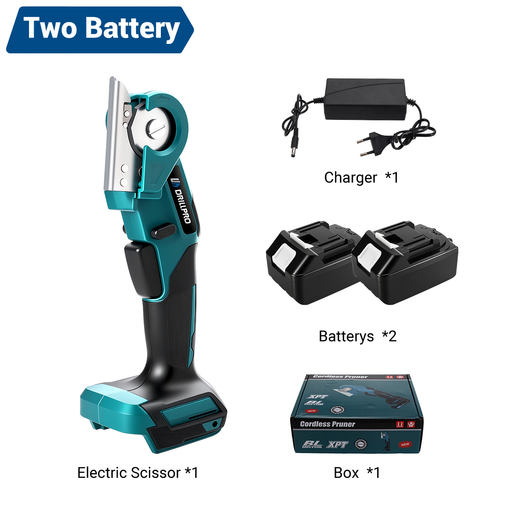
Why this product suits this profile: Weighing 0.88 kg, with low vibration and a stated cutting capacity of up to 6 mm, this compact tool is suitable for fine shoots, finishing work and smaller ornamental areas.
The limited 6 mm cutting capacity makes it clear that this model is not intended for thick hedge branches. This helps reduce the risk of overloading the tool through unsuitable use.
Weight of 0.88 kg, stated vibration of no more than 2.5 m²/s, 2.5 Ah battery and EU plug charger. The product name mentions two batteries; buyers should check the exact contents before purchasing.
We have put together a complete, regularly updated list of products that fully meet these strict selection criteria and the safety regulations applicable in the EU.
Runtime depends on battery capacity, cutting capacity, the material being cut and how the tool is used. A 2.0 Ah battery may last very differently when carrying out light maintenance compared with continuously cutting thick branches. For larger areas, swappable batteries or a second fully charged battery are practical. Figures such as “up to 25 minutes” should be viewed as the manufacturer’s estimate under specific conditions.
For thicker branches, look for a stated cutting capacity of at least around 19 mm. The Greenworks model specifies 28 mm, making it suitable for a larger stated diameter range. Actual suitability also depends on the type of wood, the condition of the branch and positioning the blade straight onto the cut. Branches above the manufacturer’s stated limit should never be forced through the blades.
Running costs mainly consist of the electricity used for charging, possible battery wear, and maintenance and replacement parts. The electricity used for a single charging cycle is usually modest; with frequent use, battery service life is more important. Store the battery and tool in a dry place, avoid completely discharging the battery and use only a suitable charger.