
Lieferung heute & morgen

Qualitätsgarantie

Willkommens-Angebote freischalten: KOSTENLOSE Lieferung | Bis zu 80 % RABATT | Kostenlose 30-Tage-JoyPlus-Testphase
App herunterladen
A fine wine deserves to be opened with the right tool. But the market for corkscrews can be overwhelming. From simple models to complex sets, the selection is vast, and not every product lives up to its promise. As your Joybuy Product Recommendation Officer, I'll help you navigate the common pitfalls and make an informed decision based on objective criteria.
Many buyers are drawn in by an appealing design or supposedly useful extra features, only to find the tool is unusable after a short time. Pay special attention to these three weak points:
To avoid a bad purchase, you should focus on the fundamental qualities that separate a reliable corkscrew from a useless one.
The choice of material is crucial for the stability and lifespan of your tool.
waiter's friend or sommelier knife made from this material is often a purchase that lasts for years.The type of opener should match your preferences and needs.
Wine Opener Set with additional accessories like a foil cutter and vacuum sealer.Instead of making a blanket recommendation, we have identified products that cater to specific user profiles and meet the quality criteria mentioned above.
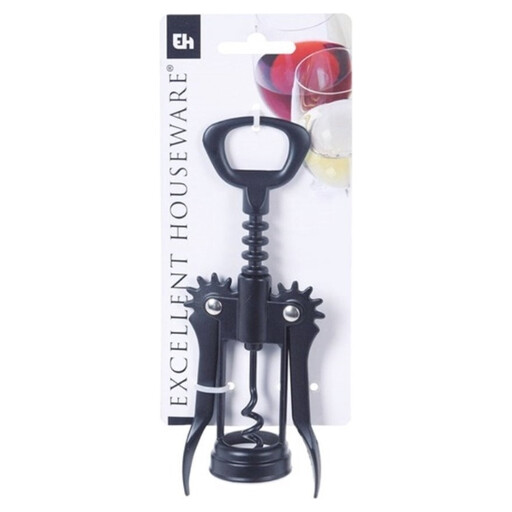
Why it's a good fit: Ideal for households where a bottle of wine is opened occasionally. The classic wing mechanism is intuitive and requires no practice. The additional function as a bottle opener makes it a practical everyday helper in the kitchen.
The zinc and stainless steel construction provides significantly more stability than simple plastic models, preventing the lever from breaking (Pitfall 1).
Intuitive operation thanks to the proven wing mechanism; robust material combination for good durability with occasional use.
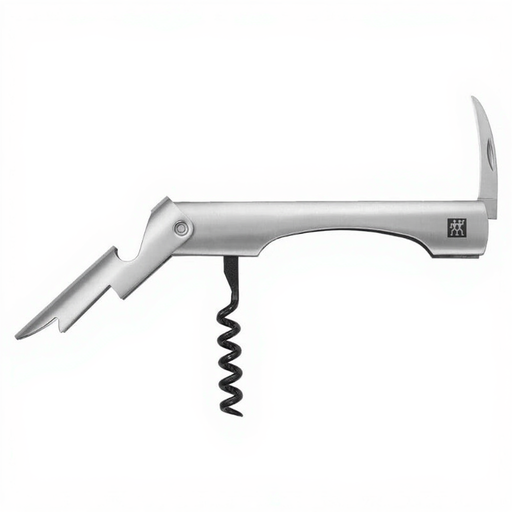
Why it's a good fit: For wine lovers and hosts who value style, functionality, and quality. The compact, professional design looks elegant at the table and combines all necessary tools into one high-quality instrument.
The hardened and forged worm with a non-stick coating prevents the cork from tearing (Pitfall 2). The construction from rustproof 18/10 stainless steel ensures durability (Pitfall 1).
Professional 3-in-1 function (corkscrew, foil cutter, cap lifter) in a compact, elegant design made from high-quality material.
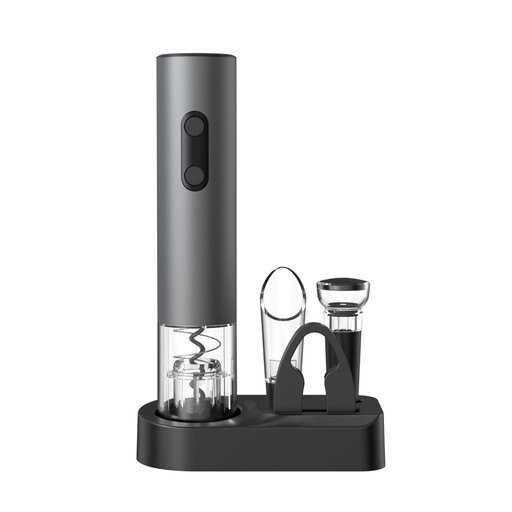
Why it's a good fit: The perfect solution for anyone seeking maximum convenience or who has difficulty with manual corkscrews. Opening is fully automatic at the touch of a button. The complete set, including a foil cutter, aerator, vacuum stopper, and storage base, also makes a practical gift.
The automated process minimizes user error, preventing the cork from breaking or crumbling (Pitfall 2). As a specialized electric corkscrew, it focuses on one task and performs it reliably (bypassing Pitfall 3).
Fully automatic, effortless uncorking at the touch of a button. A complete Wine Opener Set for the entire wine experience, from opening to preserving.
We've compiled a complete, up-to-date list of products that fully meet these strict selection criteria and German safety regulations.
1. How do you clean a corkscrew properly? Most corkscrews should be cleaned by hand. Wipe the worm and body with a damp cloth after use to remove wine residue. Avoid the dishwasher, especially for models with wooden elements or coated worms, as harsh detergents and high temperatures can damage the materials. A few very robust models, like the WMF can opener, are explicitly dishwasher-safe, but for a wine opener, hand care is usually the better choice.
2. What is the difference between a waiter's friend and a wing corkscrew? The main difference lies in the mechanism. A waiter's friend uses a lever that rests on the lip of the bottle to gradually pull out the cork. It is very compact and popular with professionals. A wing corkscrew has two levers (wings) that rise as you twist the worm in. Pushing down the wings pulls the cork straight up with significant leverage, which is considered very easy and effortless.
3. Can an electric corkscrew pull any cork? Modern electric corkscrews are designed for most standard wine bottles with natural or synthetic corks. They may struggle with very old, brittle corks or bottles with unusually shaped necks. However, for everyday use with most wines, they are a very reliable and convenient solution. It is important to always position the opener vertically on the bottle.