Families who get through a lot each week
If several people regularly eat the same cornflakes, compare the pack size and serving information with the number of breakfasts you have planned. A large pack is no use if it ends up sitting in the cupboard.


For the family’s weekly shop, the right pack is one that suits everyone’s tastes and matches how much you’ll actually eat – the biggest pack isn’t automatically the best choice. When comparing cornflakes and other breakfast cereals, check the sugar per 100 g, ingredients and allergen information too. If everyone has different tastes, it may make more sense to buy smaller packs of different varieties.
If several people regularly eat the same cornflakes, compare the pack size and serving information with the number of breakfasts you have planned. A large pack is no use if it ends up sitting in the cupboard.
If you choose cereals based on their ingredients, check the nutritional information per 100 g and the ingredients list. A wholegrain claim on its own won’t tell you how much sugar a cereal contains or whether it includes allergens.
If not everyone likes the same variety, several smaller packs or a variety pack may be more practical than one large pack. Even with a variety pack, check the information for each individual cereal.
First, decide whether your priority for the weekly shop is catering for everyone’s usual consumption, checking the ingredients or having a choice of varieties. Then check the details on the specific pack.
| What to consider | What to check | Who it matters to |
|---|---|---|
| Pack size | Compare the pack weight and serving information with how much you expect to eat that week. | If several people eat the same variety for breakfast, choose a pack that should last the week without sitting around for too long. For around 40% of consumers, being able to plan this comes first. |
| Sugar and ingredients | Check the sugar per 100 g, ingredients list and, if needed, allergen information; assess the wholegrain content separately. | If you take particular care over the ingredients you choose for your family, don’t assume how sweet a cereal is or which allergens it contains from its name alone. Around 40% of consumers make this their top priority. |
| Variety | Think about whether everyone will eat the same variety or whether several smaller packs would work better for breakfast. | If everyone at the table has different preferences, a large pack of just one variety may not be practical. Around 20% of consumers prioritise having a choice of varieties. |
A larger pack will only save you from having to buy more soon if your household regularly eats enough of that particular variety.
Plan your shared breakfasts and choose a pack size that you’re likely to get through.
These describe different things. The 625 g Nestlé Cini Minis Maxi Pack listed by REWE states that it contains 33% wholegrain and 24 g of sugar per 100 g.
Check the wholegrain claim and nutritional information per 100 g separately, rather than assuming one tells you about the other.
The 500 g Kellogg’s Corn Flakes listed by REWE contain barley malt and carry a warning that they may contain gluten from other cereals. Other cereals may also contain additional ingredients or carry warnings about traces.
If you have allergies or intolerances, check the ingredients and warnings on the specific pack.
Classic cornflakes and variety packs are different options, depending on whether everyone wants to eat the same variety.
Cinnamon cereal for households where everyone enjoys this variety; it’s not the same as classic cornflakes made from maize.
Unsweetened cornflakes in a smaller pack, for households that want to compare ingredients and sugar content.
The 375 g unsweetened organic cornflakes listed by REWE are another pack size to compare when doing your weekly shop.
This selection includes cornflakes in different pack sizes, as well as a 375 g pack of cinnamon cereal. Compare the variety with your family’s preferences and the pack weight with how much you expect to eat.
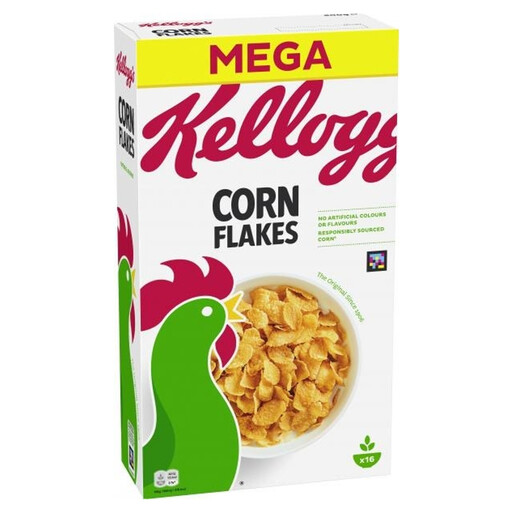 No image available
The 500 g pack may suit you if several people regularly eat classic cornflakes.
For this variety, REWE states 8 g of sugar per 100 g, as well as barley malt and a warning that it may contain gluten from other cereals. Check that the pack size suits how much you’ll eat each week.
 No image available
These unsweetened cornflakes are a good option if you want to pair them with other breakfast ingredients of your choice.
The pack contains 300 g. If your household gets through a lot each week, work out how many packs you’ll need and check the ingredients and allergen information on the pack.
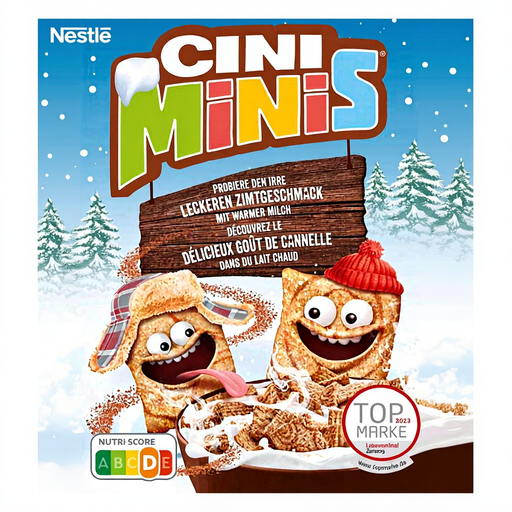 No image available
This cinnamon cereal may suit your family if you prefer it to classic cornflakes.
The pack contains 375 g. Check the nutritional information and allergens on the pack for this specific variety; details for the 625 g Maxi Pack don’t apply to it.
No. You need to check the wholegrain content and sugar level separately. The 625 g Nestlé Cini Minis Maxi Pack listed by REWE states that it contains 33% wholegrain and 24 g of sugar per 100 g; the 375 g unsweetened organic cornflakes listed by EDEKA24 contain 0.6 g of sugar per 100 g.
Check the ingredients list and any warnings about traces on the specific pack. The Kellogg’s Corn Flakes listed by REWE contain barley malt and carry a warning that they may contain gluten from other cereals; Cini Minis contain wheat ingredients and may contain traces of milk and nuts.
Choose a pack size that suits the breakfasts you have planned and the number of people who will actually eat that variety. Seal the pack well after opening and follow the storage instructions on the packaging.